
Greater Kudu FAQs and Answers — quick answers on biology, corkscrew horns, Kidepo Valley viewing, diet, predators, and northeastern Uganda safari planning for Tragelaphus strepsiceros. Explore where to see greater kudu, behaviour, best time to visit, and safari experiences.
Greater kudu faqs — expert Uganda safari guide from local planners who know permits, parks, and realistic routing.
Identification and Biology
Greater kudu are instantly recognisable by vertical white flank stripes, large radar-like ears, and the sweeping corkscrew horns of adult males. Females are hornless and slightly smaller. Uganda's animals belong to the East African subspecies T. s. beisa. Full detail on our facts page.
Viewing Expectations
Greater kudu are common in Kidepo habitat but not guaranteed every game drive — they are shy woodland-edge browsers that freeze in thicket before fleeing. Dawn and dusk drives at Narus Valley ecotones offer the best odds. Allow multiple sessions rather than expecting a single-drive sighting.
Safety and Ethics
Greater kudu are not dangerous to observers in vehicles. Maintain distance during the rut and calving season, stay on designated tracks, and never chase fleeing animals. Uganda Wildlife Authority rangers enforce park rules that protect woodland habitat.
Further Reading
Explore habitat, diet, conservation, and Kidepo Valley National Park guides for comprehensive trip planning.
- What is a greater kudu?
The greater kudu (Tragelaphus strepsiceros) is a large African antelope known for its grey-brown coat, vertical white flank stripes, and magnificent corkscrew horns on males. In Uganda, greater kudu are most reliably seen in Kidepo Valley National Park — the country's primary protected-area population.
- Where can I see greater kudu in Uganda?
Kidepo Valley National Park is the best destination for greater kudu in Uganda. Dawn game drives along Narus Valley woodland edges deliver the strongest sightings. See our where to see greater kudu guide for sector detail.
- Are there greater kudu in Murchison Falls or Queen Elizabeth?
No — greater kudu do not occur reliably in Murchison Falls, Queen Elizabeth, or western Uganda parks. Uganda's greater kudu population is centred on Kidepo Valley in the far northeast. Checklist travellers must include Kidepo to see this species.
- How big are greater kudu horns?
Male greater kudu horns spiral in a corkscrew pattern, typically completing two to two-and-a-half turns and reaching 120–150 cm along the curve — with exceptional trophies exceeding 180 cm. Only males carry horns; females are hornless.
- What do greater kudu eat?
Greater kudu are selective browsers — they feed on leaves, shoots, fruits, flowers, and tubers from woody plants rather than grazing grasses. At Kidepo, acacia and commiphora browse dominate. Full detail on our greater kudu diet page.
- How big is a greater kudu?
Males stand roughly 120–150 cm at the shoulder and weigh 190–270 kg. Females are smaller at 100–140 cm tall and 120–210 kg. Greater kudu are Africa's second-largest antelope after the eland.
- Are greater kudu endangered?
Globally, greater kudu are classified Least Concern with stable populations across much of Africa. In Uganda, they are locally uncommon but nationally significant at Kidepo Valley — making park protection especially important. See our conservation page.
- What predators hunt greater kudu in Kidepo?
Leopard and lion are the most significant greater kudu predators at Kidepo. Spotted hyena take calves; African wild dog occasionally run down kudu on open ground. Kudu rely on thicket refuge and vigilance rather than sustained speed.
- When is the best time to see greater kudu?
Greater kudu are visible year-round at Kidepo. Dry seasons (November–March and June–September) offer the easiest game drives and woodland-edge concentrations. Dawn and dusk are essential — kudu are crepuscular. See best time to see greater kudu.
- How do greater kudu differ from bushbuck?
Greater kudu are much larger with prominent flank stripes and massive corkscrew horns on males. Bushbuck are smaller, more widespread in Uganda's forest margins, and far more solitary. Both belong to genus Tragelaphus but occupy different habitats and scales.
- How do greater kudu differ from eland?
Eland are larger, both sexes carry horns, and they graze open plains at Kidepo. Greater kudu are woodland-edge browsers with horns only on males and a taller, more striped profile. Both occur at Kidepo but in different habitat zones.
- Why are greater kudu hard to see?
Greater kudu are shy and crepuscular — they rest in thicket by day, freeze when alarmed, and flee into cover quickly. Their striped coat provides excellent camouflage. Patient dawn scanning at woodland edges dramatically improves sighting rates.
- What habitat do greater kudu prefer?
Woodland–savannah ecotones — rocky hillsides, acacia margins, dry river lines, and thicket patches within reach of water. Kidepo's Narus Valley woodland edges are textbook greater kudu country. Full ecology on our habitat guide.
- Do greater kudu live in herds?
Mature males are often solitary. Females and calves form small groups of up to a dozen. Young males gather in bachelor groups of two to six. Greater kudu are less gregarious than impala or buffalo.
- Which Uganda safaris include greater kudu viewing?
Any itinerary visiting Kidepo Valley National Park can include greater kudu. Northeastern circuits and fly-in Kidepo packages are the standard routes. Browse greater kudu safaris and Uganda safari packages.
- Can I fly to Kidepo for greater kudu safaris?
Yes — charter flights to Apoka airstrip are the most time-efficient way to reach Kidepo for greater kudu viewing. Fly-in options avoid the two-day road transfer from Kampala. See fly-in safaris Uganda.
- How far is Kidepo from Kampala?
Kidepo is roughly 700 km northeast of Kampala — about two days by road via Gulu or Moroto. Fly-in transfers reduce this to a short charter flight. Minimum three nights in the park is recommended for kudu-focused drives.
- What is the scientific name of the greater kudu?
Tragelaphus strepsiceros — a spiral-horned antelope in the family Bovidae and tribe Tragelaphini. Uganda's animals are the East African subspecies T. s. beisa.
- How long is greater kudu pregnancy?
Gestation lasts roughly seven to nine months, producing a single calf. Calving often clusters after rainy periods when fresh browse supports lactating females.
- How can tourists help greater kudu conservation?
Visit Kidepo Valley on licensed safaris, pay official park fees, follow track rules, and choose operators supporting Uganda Wildlife Authority management. Tourism revenue funds rangers who protect northeastern woodland ecosystems. More on our conservation page.
Safari packages to see Greater Kudu
Bookable itineraries below include parks and activities where you are most likely to encounter Greater Kudu in the wild.
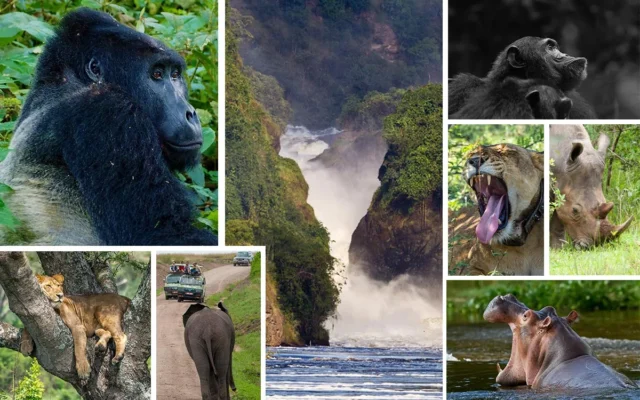
18 Days Uganda Wildlife Safari
You visit
Entebbe (Start, End)
The ultimate 18-day Uganda wildlife safari — every savannah park, both chimp forests, gorillas, and the remote northeast. After Murchison and Kidepo, the route sweeps through Kibale, Queen Elizabeth,…
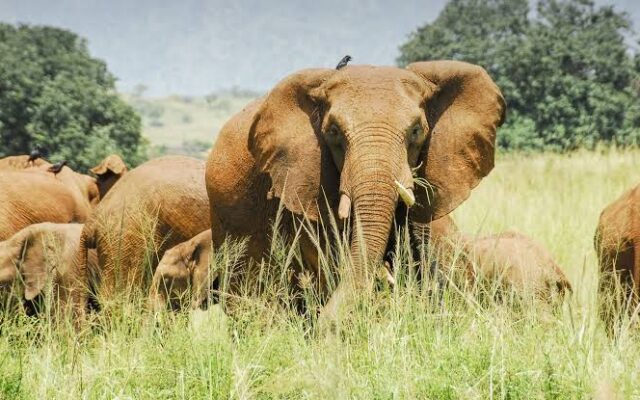
4 Days Kidepo Valley Safari
You visit
Entebbe (Start, End)
Kidepo Valley is Uganda's most remote park — semi-arid savannah against the Morungole Mountains near the South Sudan border. Cheetah, ostrich and large lion prides roam the Narus Valley; the drier Kid…
 Best
Seller
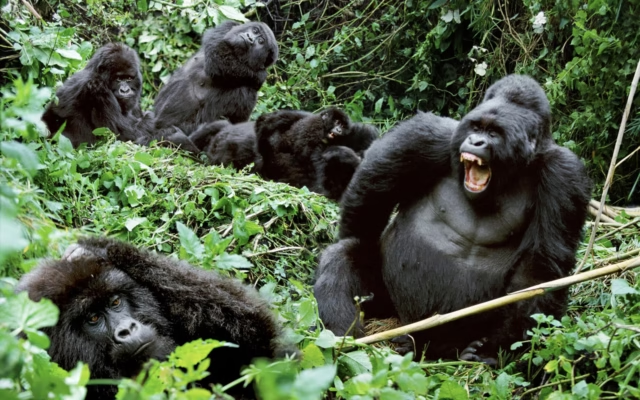
3 Day Uganda Gorilla Trekking Safari
You visit
Bwindi Forest, Entebbe
This private Uganda gorilla trekking safari is a focused 3-day Uganda gorilla trekking road trip: a full-day mountain gorilla trek in Bwindi Impenetrable National Park—a UNESCO rainforest where roughl…
 Best
Seller
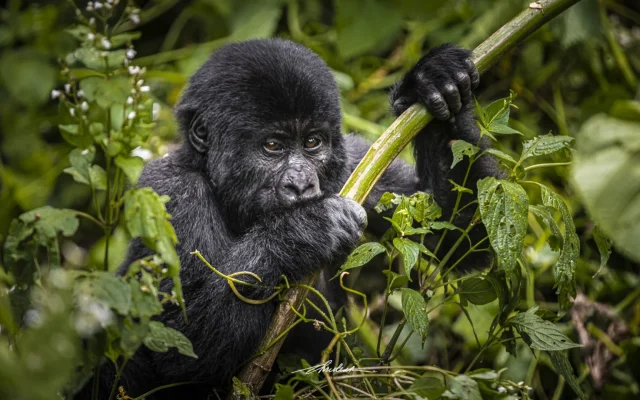
5 Day Gorilla & Chimp Safari
You visit
Kibale Forest, Bwindi Forest, Entebbe
Combine Bwindi gorilla trekking with Kibale chimpanzee tracking.