
Common Warthog FAQs and Answers — quick answers on biology, warts, tusks, sounders, burrows, where to see warthogs in Uganda, game drives, and safari planning. Explore best time to visit, common warthog safari experiences, and Uganda safari packages for deeper guides — or request a quote for a tailored itinerary.
- What is a common warthog?
The common warthog (Phacochoerus africanus) is a wild pig of African savannah and open woodland — the only African suid adapted to grazing in open country. In Uganda, warthogs appear on game drives in Murchison Falls, Queen Elizabeth, Kidepo Valley, and Lake Mburo national parks.
- Why are they called warthogs?
The name refers to thick, wart-like skin pads on the face — especially large on boars. These pads protect the eyes and cheeks during fights; they are not tumours or disease. The "warts" are one of the species' most recognisable features on safari.
- What is the scientific name of the common warthog?
Phacochoerus africanus. Uganda hosts the massaicus subspecies (P. a. massaicus) — the central and eastern African form. See our common warthog facts page for full taxonomy.
- Where can I see warthogs in Uganda?
Common warthogs occur in all Uganda savannah national parks — Murchison Falls, Queen Elizabeth, Kidepo Valley, and Lake Mburo. They are also seen at Ziwa Rhino Sanctuary during rhino walks. See our where to see common warthogs guide for park comparisons.
- Which Uganda park is best for warthog game drives?
Queen Elizabeth National Park delivers the most reliable roadside kneeling portraits on Kasenyi and Mweya tracks. Murchison Falls and Lake Mburo are also excellent for daily sounder encounters.
- Why do warthogs kneel when they eat?
Warthogs have calloused, padded wrist joints that let them fold their front legs beneath the body and graze grass at ground level — an adaptation unique among Uganda's large savannah herbivores. Kneeling sounders along track verges are a signature game-drive sight.
- Why do warthogs run with their tail up?
The stiff, upright tail acts as a visual follow-me flag for piglets and sounder members running through tall grass. Combined with explosive acceleration, it is one of Africa's most recognisable escape behaviours — and a safari favourite.
- What is a warthog sounder?
A sounder is a matriarchal family group of female warthogs and their young — typically four to ten animals, sometimes up to 18 or more. Boars usually live apart except during breeding. Read more on our behaviour page.
- Do warthogs live in burrows?
Yes. Warthogs shelter in burrows — often originally dug by aardvarks — entering rear-first so tusks guard the entrance. They emerge at dawn to feed and retreat underground at night. Burrow behaviour is covered in our habitat guide.
- What do common warthogs eat?
Warthogs are primarily grazers, feeding on short grasses. They also dig for roots, bulbs, and rhizomes, and supplement with fruit, bark, insects, and occasional carrion. Learn more on our common warthog diet page.
- How big is a common warthog?
Adults stand roughly 64 to 77 centimetres at the shoulder. Boars may weigh up to 150 kilograms; sows are generally lighter. They are leaner and longer-legged than domestic pigs — built for running, not fattening.
- How fast can a warthog run?
Warthogs can reach speeds of roughly 55 kilometres per hour (34 miles per hour) over short distances — fast enough to reach a burrow before many predators close the gap, especially when piglets follow the tail-up lead.
- How long do warthogs live?
In the wild, common warthogs typically live around 12 to 15 years, though piglet mortality from predation is high. Survival inside Uganda's protected parks is generally good where anti-poaching patrols are active.
- What predators hunt warthogs in Uganda?
Lions are the main predator of adult warthogs. Leopards, spotted hyenas, Nile crocodiles, and pythons take piglets and smaller individuals. Warthogs are important prey supporting predator tourism on the same game-drive circuits.
- Are warthogs dangerous to humans?
Warthogs are not aggressive toward vehicles at respectful distance on game drive. Cornered boars can charge with sharp lower tusks. Stay in the vehicle, keep quiet, never feed lodge warthogs, and maintain ethical distance.
- Are warthogs active at night?
Warthogs are diurnal — active by day, underground at night. This makes them exceptionally reliable on standard game drives. Dusk drives may catch sounders backing into burrows — rewarding behaviour to watch.
- What is the best time to see warthogs in Uganda?
Warthogs are visible year-round. Dry seasons (roughly June–August and December–February) offer shorter grass, track-edge kneeling, and excellent dawn light. See our best time to see guide.
- Do I need a permit to see warthogs?
No separate permit is required. Warthog viewing is included with national park entry on standard game drives — unlike gorilla or chimp trekking.
- Are common warthogs endangered?
The common warthog is listed as Least Concern on the IUCN Red List — widespread across Africa and abundant in Uganda's savannah parks. Hunting and habitat loss remain threats outside protected areas. See conservation.
- What is the difference between common warthog and desert warthog?
The common warthog (P. africanus) is widespread across sub-Saharan savannah. The desert warthog (P. aethiopicus) is restricted to the Horn of Africa. Uganda hosts only the common warthog.
- Why are warthogs associated with Pumbaa from The Lion King?
Disney's The Lion King character Pumbaa popularised warthogs globally. Real warthogs share the comical appearance but are wild savannah survivors — kneeling grazers, burrow users, and important prey in Uganda's ecosystems.
- Do warthogs wallow in mud?
Yes. Warthogs wallow to cool down and discourage biting flies — behaviour often seen on afternoon game drives at Lake Mburo and Queen Elizabeth. Mud-caked sounders make characterful photographs.
- How many piglets do warthogs have?
Sows typically produce one to four piglets per litter after roughly five to six months gestation. Piglets follow the sounder within hours and learn burrow routes quickly. Wet-season drives sometimes coincide with striped youngsters at heel.
- Can I see warthogs on a walking safari?
Lake Mburo National Park offers guided walking safaris (where permitted by Uganda Wildlife Authority), providing ground-level warthog perspective. Most warthog viewing elsewhere is from a vehicle on game drive.
- What habitats do warthogs prefer?
Warthogs favour open savannah, acacia grassland, and lightly wooded plains with reliable water and burrows. They avoid dense rainforest. See habitat for seasonal range detail across Uganda's parks.
- Do warthogs share habitat with other safari animals?
Yes. Warthogs graze alongside zebra, Uganda kob, impala, buffalo, and waterbuck on Uganda savannah — and support lion, leopard, and hyena populations as prey. Mixed-species scenes are daily on game drive.
- How should I photograph warthogs on game drive?
Prioritise dawn side-light on kneeling animals. Use a telephoto lens for facial detail showing warts and tusks. Pause when sounders feed rather than shooting from a moving vehicle. Dry-season dust adds atmosphere to tail-up running shots.
- Are warthogs good for first-time safari travellers?
Absolutely. Warthogs are highly visible, diurnal, comical, and tolerant of vehicles at distance — often among the first large mammals on a Uganda game drive and a guaranteed crowd-pleaser for families.
- Can I combine warthog viewing with gorilla trekking?
Yes. Uganda pairs savannah and primate experiences well. A common route includes Queen Elizabeth warthogs or Lake Mburo game drives with Bwindi gorilla trekking — explore Uganda safari packages.
- Why are warthogs important to Uganda safari tourism?
Warthogs deliver guaranteed character sightings on every savannah drive — comedy, close portraits, and family delight without extra permits. They embody the game-drive experience between megafauna moments and keep guests engaged from the first morning circuit.
Safari packages to see Common Warthog
Bookable itineraries below include parks and activities where you are most likely to encounter Common Warthog in the wild.
 Best
Seller
Best
Seller
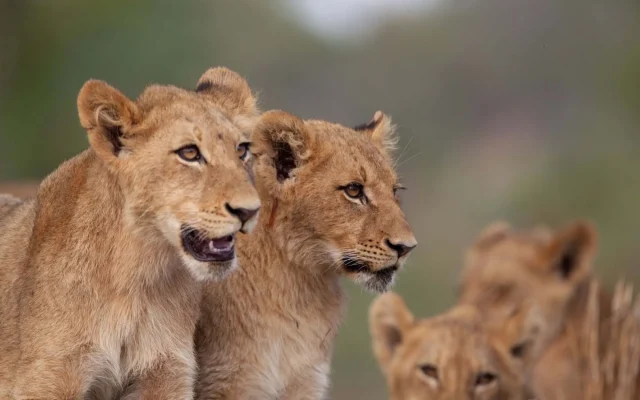
7 Day Uganda Wildlife & Gorilla
You visit
Murchison Falls, Kibale Forest, Queen Elizabeth NP, Bwindi Forest, Entebbe
Seven days with gorillas: the wildlife tour above plus Bwindi trekking on Day 6 — the single most booked private itinerary for Uganda Safari Tours guests who want chimps, savannah and gorillas in one…
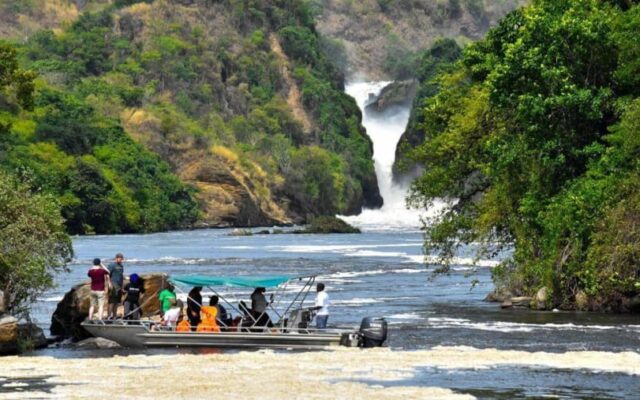
3 Day Murchison Falls Safari
You visit
Murchison Falls, Entebbe
Our classic 3-day Murchison Falls safari follows the park’s most proven circuit: dramatic falls, savannah game drives north of the Nile, and the famous boat trip where the river narrows below the casc…
 Best
Seller
Best
Seller
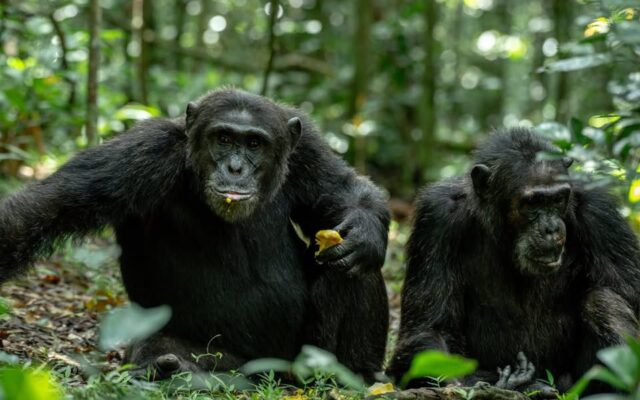
6 Days Uganda Gorillas, Chimpanzees & Wildlife Safari
You visit
Kibale Forest, Queen Elizabeth NP, Bwindi Forest, Entebbe
Primates plus plains in six days: Kibale chimps, Queen Elizabeth savannah, Bwindi gorillas and a Lake Mburo finale for zebra — the full Uganda highlight reel without rushing Kidepo or Murchison.
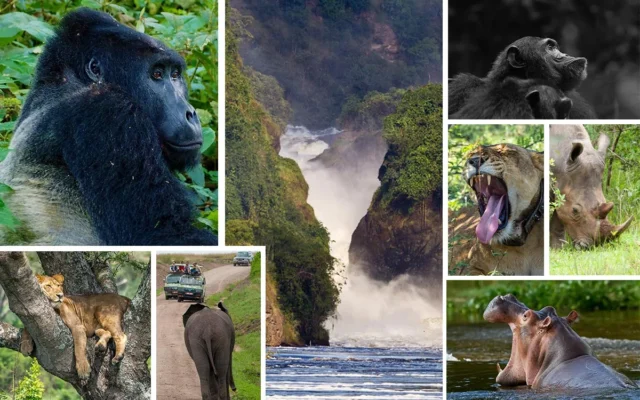
18 Days Uganda Wildlife Safari
You visit
Entebbe (Start, End)
The ultimate 18-day Uganda wildlife safari — every savannah park, both chimp forests, gorillas, and the remote northeast. After Murchison and Kidepo, the route sweeps through Kibale, Queen Elizabeth,…