Common warthog diet — expert Uganda safari guide from local planners who know permits, parks, and realistic routing.

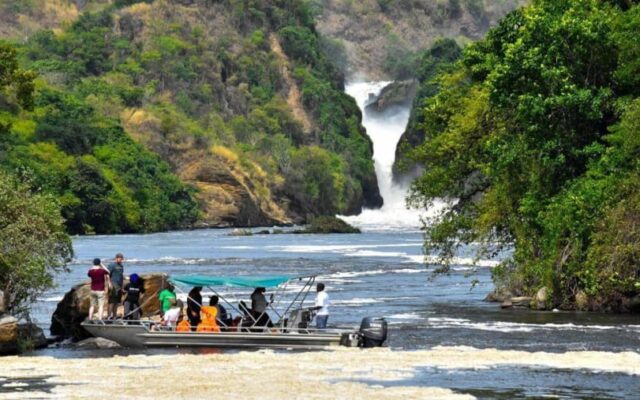
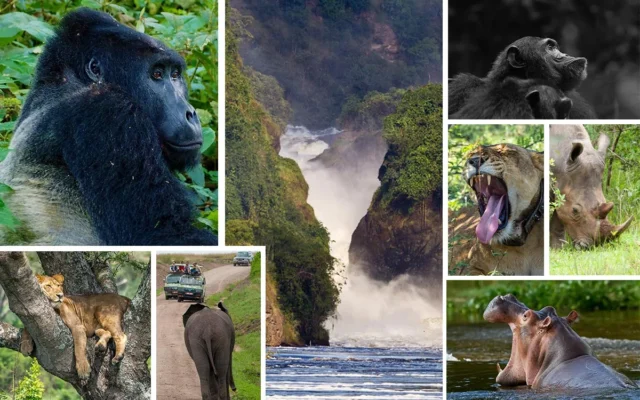
Explore this species across our habitat guide, where to see page, and safari planning resources — plus parks such as Murchison Falls and Lake Mburo.
Watch a warthog sounder on morning game drive and the picture is clear: knees folded, snout working the turf, jaws grinding steadily through short grass. Common warthogs are built to eat — spending large portions of daylight foraging — and their diet explains why they kneel beside road verges, follow zebra onto freshly burned plains, and dig stubbornly at soil when the rains fail. In Uganda's savannah parks, warthog feeding behaviour is as reliable a sighting as any antelope herd.
This guide explains what common warthogs eat, how feeding changes by season, and what their grazing means for ecosystems from Kasenyi to Kidepo.
Primary Diet: Grass
Common warthogs are primarily grazers — the only African pig species specialised for open-country grass eating. Short, perennial grasses form the bulk of their intake year-round. Unlike selective browsers such as giraffe, warthogs use strong molars and steady grinding to process fibrous blades close to the ground — aided by that famous kneeling posture that brings the mouth to lawn level.
Typical grass feeding includes:
- Short green grasses after rain
- Perennial savannah grasses in dry season
- Road-verge regrowth kept low by traffic and edge grazing
- Fresh shoots following fire or heavy grazing by buffalo and zebra
The Kneeling Grazer Advantage
Warthog wrist joints are padded and calloused — biological kneepads that let the animal fold its front legs beneath the body while feeding. This adaptation allows warthogs to exploit grass too short for many taller herbivores to reach comfortably. On game drives through Queen Elizabeth and Murchison Falls, kneeling sounders along green track edges are among the most photographed feeding scenes in the park — not because warthogs are rare, but because the posture is so distinctive and endearing.
Roots, Bulbs, and Digging
When surface grass quality drops — especially in late dry season — warthogs shift toward subterranean foods. Lower tusks function as picks and levers, excavating rhizomes, bulbs, and nutritious roots. Digging leaves characteristic patches of disturbed soil visible from the game-drive vehicle and explains why warthogs are sometimes seen with muddy snouts even on dry days. These underground reserves can provide moisture as well as calories when surface water is scarce — a critical drought survival strategy in semi-arid Kidepo.
Seasonal Diet Shifts
Uganda's two rainy seasons (roughly March–May and September–November) produce lush grass growth. Warthogs disperse across wider areas, feeding on tender new blades rich in moisture and nutrients. Piglet births often align with these productive windows.
Dry seasons (June–August and December–February) tighten the menu: coarser stems dominate, and warthogs concentrate near water where last green patches persist — road verges, lake margins, river flats. Root and bulb digging increases. For safari planners, dry-season edge grazing often means closer, more predictable warthog photography on morning drives.
Omnivorous Supplement
Though classified as grazers, common warthogs are technically omnivores. Their varied diet may include:
- Bark of young trees
- Fruit and berries when available
- Fungi and insects uncovered while digging
- Bird eggs opportunistically
- Carrion and small animal matter
- Coprophagy — consuming herbivore dung to extract undigested nutrients
These supplements are not the daily staple but illustrate flexibility within savannah herbivore niches. Warthogs are opportunists — a useful trait when drought or fire reshapes the grass menu overnight.
Water and Minerals
Warthogs drink regularly when water is available — often daily in hot conditions. Watch for sounders moving in single file toward waterholes, lake shores, or muddy wallows at midday. Mineral intake may include natural salt licks and specific soils; warthogs also obtain minerals through diverse plant foods and occasional bone chewing — behaviour occasionally observed on extended game drives.
Feeding Competition and Coexistence
Warthogs share grazing landscapes with zebra, Uganda kob, buffalo, impala, waterbuck, and topi. Each species occupies a slightly different feeding height and grass preference, reducing direct competition. Warthogs often benefit when buffalo, zebra, or fire keep sward short — then move in to kneel-graze the lawn left behind. Mixed-species feeding scenes on Lake Mburo open valleys — warthog, impala, and zebra together — are a classic Uganda savannah snapshot.
Daily Intake and Activity Budget
Warthogs are diurnal feeders — active by day, sheltering in burrows at night. Adults may spend the majority of daylight hours foraging, with rest breaks in shade or mud wallows during peak heat. Sounder members often feed in loose groups, maintaining visual contact while one individual stands alert. Piglets learn foraging routes and burrow locations by following the matriarch — tail-up trotting through grass when the sounder moves between feeding zones.
Ecological Role
As grazers and diggers, warthogs influence savannah structure. Their grazing maintains short-grass patches; their digging aerates soil and disperses seeds. As prey for lion, leopard, hyena, and crocodile, they support predator populations that define Uganda's marquee game-drive experiences. Warthogs are not background extras — they are functional parts of the food web tourists encounter on the same circuit as the Big Five.
Game Drive Feeding Watching
Maximise warthog diet observation by:
- Pausing when a sounder kneels along a green verge — the signature posture
- Watching for digging behaviour in late dry season
- Following mixed herds where warthogs trail zebra onto short grass
- Asking guides about recent fire or floodplain green flushes that concentrate feeding
Combine this page with behaviour and habitat guides to understand why warthogs feed where they do on your Uganda itinerary.