Frequently asked questions about Volcanoes National Park
Planning a gorilla safari generates predictable questions — permit costs, fitness requirements, what Kinigi briefing involves, and how Rwanda compares with Uganda. This guide addresses the decisions that matter before you book flights to Kigali.
Gorilla permits and booking
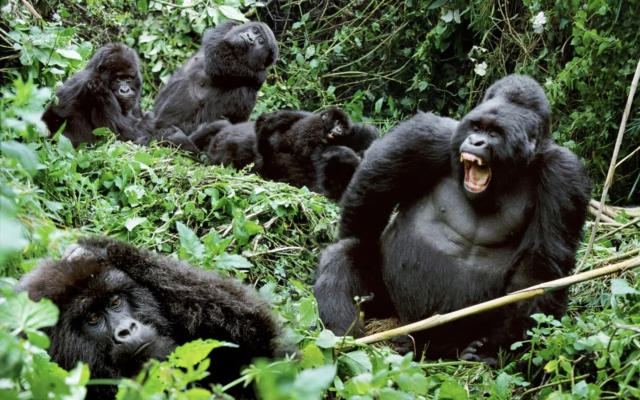
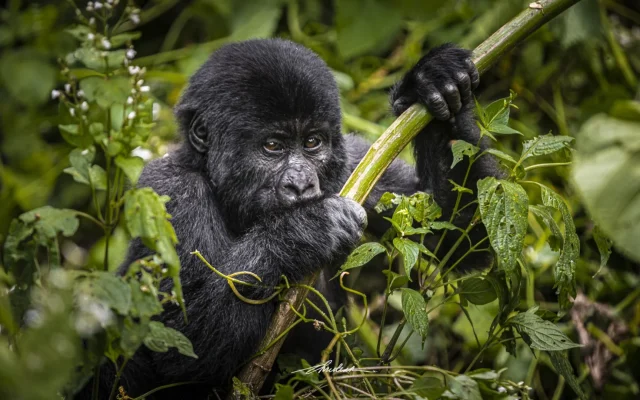
How much does a gorilla permit cost? The Rwanda Development Board charges USD 1,500 per person for foreign non-resident gorilla trekking in Volcanoes National Park. The fee includes park entry, ranger guides, security, and one hour with a habituated family. Porters, tips, transport, and lodging are extra.
How do I book permits? Through RDB directly (visitrwandabookings.rdb.rw) or licensed tour operators. Roughly 80 permits are issued daily across about ten habituated families — eight visitors maximum per family. Peak months (June–September, December–February) require booking 3 to 12 months ahead.
Are there discounts? RDB has offered promotional rates when combining gorilla trekking with Akagera or Nyungwe during low season (historically around 30% off November–May) and conference-delegate packages — verify current policy when booking.
Trekking experience and rules
How long is the trek? Total activity commonly spans 2–8 hours including briefing, hiking, one hour with gorillas, and return. Some families are reached in under 30 minutes of walking; others require 3–4 hours each way on steep bamboo slopes.
How difficult is trekking? Elevation and mud matter more than distance. Trails climb through bamboo and nettle zones between roughly 2,400 and 3,500 meters. Honest fitness assessment at briefing helps rangers assign appropriate families. Porters are strongly recommended.
What are the age and health rules? Minimum age 15 years. Respiratory illness can postpone treks — gorillas are vulnerable to human diseases. No eating or smoking near gorillas; maintain roughly seven meters distance; no flash photography.
Where do treks start? Kinigi Park Headquarters — briefing around 7:00 AM daily. Stay within practical transfer distance in Musanze, Kinigi area, or Bisate the night before.
Beyond gorillas
Can I track golden monkeys? Yes — separate permit (typically around USD 100). Easier walking than many gorilla treks; excellent second-morning activity when staying multiple nights.
What other activities exist? Mount Bisoke volcano day hike to crater lake, multi-day Mount Karisimbi climb (4,507 m), Dian Fossey tomb hike, guided birding, and community cultural visits around Musanze.
Is the park good for bird watching? Yes — 178–200+ species including Albertine Rift endemics. See our dedicated bird watching guide.
Timing and seasons
What is the best time to visit? June–September and December–February for drier trails; year-round trekking possible. Gorillas do not migrate — permit availability often matters more than weather. See best time to visit for month-by-month detail.
How many nights should I stay? Two nights minimum for one gorilla trek; three to four nights for golden monkeys, volcano hikes, or Fossey tomb without rushing.
Access and lodging
How far is Volcanoes from Kigali? About 105–116 km — 2 to 3 hours by road. No park airstrip; fly to Kigali International Airport. Details on our getting there page.
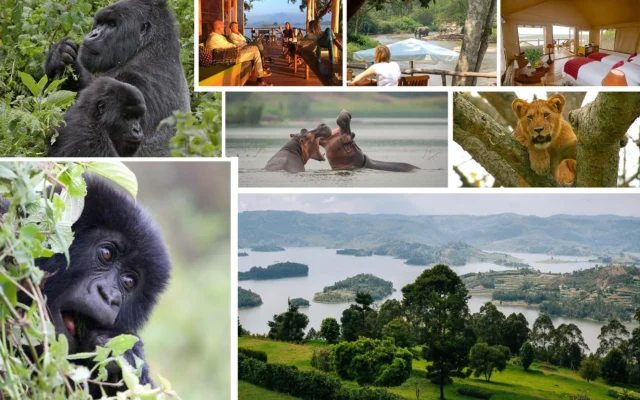
Where should I stay? Luxury forest lodges near Bisate, mid-range Kinigi-area properties, or budget guesthouses in Musanze town — match lodge to confirmed Kinigi transfer times, not only marketing photos.
Comparisons and combinations
Volcanoes vs Bwindi? Volcanoes: higher permit (USD 1,500), shorter Kigali access, premium infrastructure. Bwindi: lower Uganda permit cost, often longer transfers, denser forest in several sectors. Many enthusiasts visit both across the Virunga Massif.
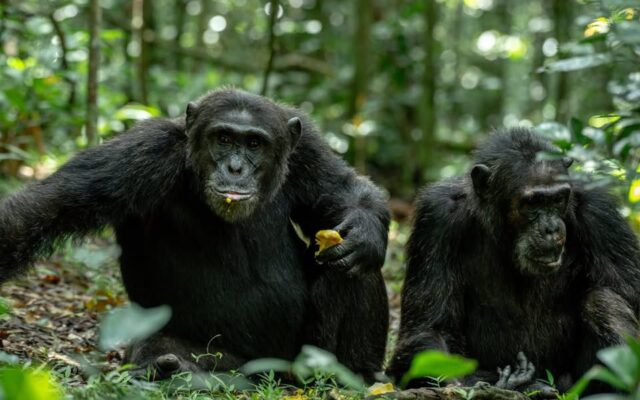
Typical Rwanda circuits? Volcanoes gorillas + Nyungwe chimps + Akagera savannah over 6–8 nights; or short 2–3 night Kigali–Volcanoes express for time-pressed travelers.
Safety and responsible tourism
Rwanda maintains strong tourism security; all park activities are ranger-led. Hire licensed operators, use porters (local income), respect briefing rules, and treat the USD 1,500 fee as conservation investment — not merely a ticket. Wildlife detail on our wildlife page.