Best time to visit Volcanoes National Park
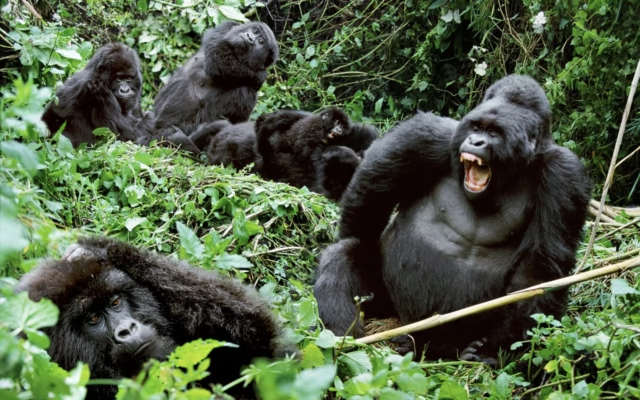
Unlike savannah parks where wildlife concentrates around dry-season waterholes, Volcanoes National Park planning revolves around gorilla permit availability, trekking fitness, and how much rain and mist you accept on bamboo slopes. Mountain gorillas do not migrate — there is no season when families leave the forest. The practical calendar questions are: Can you secure an RDB permit for your preferred date? Will Kinigi briefing logistics run smoothly? And are you combining Volcanoes with Nyungwe National Park, Akagera National Park, or cross-border Bwindi on fixed-date routes?
Dry season vs rainy season trekking
Rwanda's broadly drier windows — roughly June to September and December to February — are traditionally described as the best time for Volcanoes gorilla trekking. Trails are often less saturated, lodge transfers from Musanze and Bisate more predictable, and photography light clearer between showers. These months also bring peak international demand: permits sell out months ahead, lodges fill early, and Kinigi briefing areas crowd on busy mornings.
Rainy periods centered on March to May and October to November bring heavier daily rain, persistent mist, and slick bamboo slopes. Trekking remains possible and gorillas are still found — rangers track nests regardless of weather — but expect tougher hiking, mud above ankle depth on steep sections, and reduced visibility for landscape photography. Trade-offs include greener forest atmosphere, occasional last-minute permit availability, and RDB promotional pricing when combining gorilla trekking with other Rwandan national parks during low season (historically offering around 30% permit discounts for multi-park visits November–May — confirm current RDB policy when booking).
Volcanoes' cool montane climate differs from hot Akagera savannah the same week. Elevations across activities range roughly 2,400 to 4,507 meters on Karisimbi; briefing-level treks still feel cool — bring layers even in "dry" months.
Permit timing and holiday pressure
Gorilla permits at USD 1,500 are the hard constraint. RDB issues roughly 80 permits daily across habituated families (eight visitors per family maximum). Christmas, New Year, Easter, and European summer holidays compress demand — book permits when you confirm flights, not after hotel reservations. Conference-delegate extensions around Kigali events also spike short-notice permit competition.
Holiday weeks stress Kigali gateway logistics: international arrivals, Musanze lodge check-ins, and Kinigi morning parking fill simultaneously. If your Volcanoes dates sit inside peak holidays, reserve permits, lodges within practical Kinigi transfer range, and private transport together.
Golden monkeys, volcano hikes, and second activities
Second-morning activities — golden monkey tracking, Mount Bisoke crater lake hike, multi-day Karisimbi climb, or the Dian Fossey tomb trek — need separate permits and fair-weather windows. Dry months improve volcano summit success rates and reduce hypothermia risk on exposed ridges. Rainy-season Bisoke attempts remain common but turn back more often when cloud seals the crater rim.
Travelers staying only two nights often skip second activities — three to four nights unlock the full Volcanoes experience without rushing recovery between steep treks.
Birding seasons and specialist months
Albertine Rift residents are present year-round. Birders targeting maximum diversity often favor October to March when Palearctic migrants supplement montane forest species on broader Rwanda routes. Pair Volcanoes mornings with Nyungwe specialist trails for complementary altitude mixes. Rain affects hearing and optics more than species presence — see our bird watching page for habitat notes.
Lodge pricing and availability
Peak dry months drive premium rates at Bisate, Singita Kwitonda, Gorilla's Nest, and mid-range Kinigi-area properties. Shoulder months (early June, late September, early December) sometimes balance weather and cost. Musanze town guesthouses offer budget stability year-round but require longer pre-dawn Kinigi transfers regardless of season.
Uganda combination and border seasons
Dual gorilla itineraries linking Volcanoes with Bwindi via Cyanika or Gatuna borders should align both countries' permit dates and account for rainy-season road conditions on Ugandan forest approaches — Bwindi mud can exceed Volcanoes slickness in several sectors. Dry months simplify cross-border logistics for 8–10 night primate circuits.
Month-by-month snapshot
January–February: Drier, peak demand, book permits early; excellent trekking when trails cooperate.
March–May: Rainier, lush forest, muddy trails; fewer visitors at times; check RDB multi-park discount eligibility.
June–August: Peak dry season and peak travel — permits and lodges critical to reserve early.
September: Transition — often still good trekking; watch for early rains locally.
October–November: Second rainy peak possible; migrant birds increasing for listers.
December: Holiday permit pressure extreme; book months ahead.
Health and fitness regardless of season
Altitude and steep trails challenge visitors more than calendar month. Rain or shine, porters ($15–20 tip range) help on muddy bamboo slopes. Respiratory illness postpones treks year-round to protect gorillas — travel insurance covering permit loss is prudent in any season.
For wildlife ecology and access detail, pair this page with our Volcanoes National Park wildlife and getting there guides.