Lake Opeta — questions travelers ask before booking
Lake Opeta occupies a specific niche in Uganda travel: a vast Ramsar Karamoja wetland lake where local guides work papyrus channels and grassland margins in search of shoebill and Uganda's only endemic bird, Fox's weaver. It is not a lodge-grid national park with daily game drives. Understanding that distinction upfront prevents the common mismatch — expecting lion viewing on par with Kidepo Valley National Park, then wondering why the morning is quiet except for kingfishers, cattle, and distant floodplain horizons.
The site works best when treated as a purposeful half-day or full-morning activity on an eastern Uganda or Karamoja Region loop from Soroti, Mbale, or a multi-day overland route through Pian Upe Wildlife Reserve. Pair it with Lake Kyoga waterbird sessions or Nyero Rock Paintings if you are building a regional arc before or after northeastern savannah parks.
Shoebills, Fox's weaver, and honest expectations
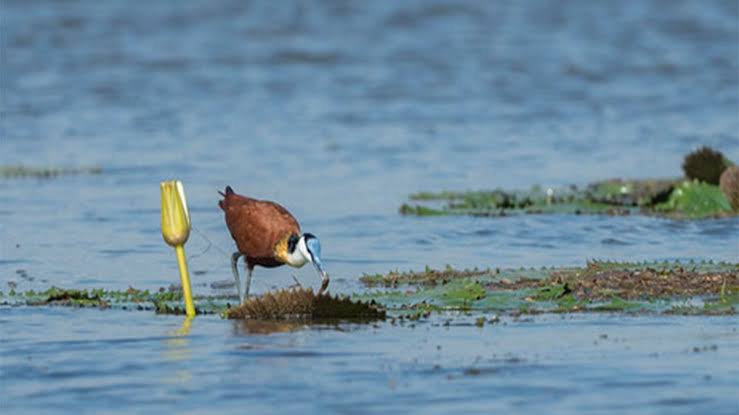
Opeta is one of eastern Uganda's strongest places to search for a shoebill, and among the few sites where Fox's weaver breeding has been documented in swamp habitat — but strong odds are not guarantees. This is wild birding across a working floodplain, not a controlled exhibit. Local guides know territories and how seasonal flooding redistributes birds; early mornings and patient searching improve outcomes. Operators promising near-certain shoebill success should be treated skeptically unless they cite verifiable data.
Non-birders can still enjoy Opeta. Open wetland scenery, pastoral life, fishing activity, and the drama of a shoebill when found impress many travelers who do not keep formal lists. The setting feels remote compared with Mabamba Swamp near Entebbe — which is precisely why repeat Uganda visitors add it.
Time, cost, and itinerary fit
Most visitors allow a half day to full morning including transport from Soroti or a nearby base and field time on the wetland. Serious birders may extend the session to work papyrus edges for gonoleks, warblers, and grassland species after shoebill and Fox's weaver efforts. Same-day combinations with Pian Upe Wildlife Reserve drives are possible with disciplined scheduling — both compete for morning hours and good light.
Opeta rarely anchors a multi-night safari by itself. Travelers stay in Soroti, Mbale, or camp setups on longer Karamoja routes — not inside the swamp. That keeps costs lower than Kidepo lodge grids but means you should book eastern bases when Opeta sits on a fixed-date birding itinerary. See our best time to visit and getting there pages for season and route detail.
Seasonal flooding, access, and safety
Seasonal flooding changes Opeta week to week. Dry months often firm up tracks and concentrate birds in searchable shallows; rainy months green the landscape but can muddy margins and spread wildlife across a wider floodplain. Waterproof footwear, flexible schedules, and pre-trip confirmation with guides matter more here than at paved national park gates.
Opeta is commonly visited on organized birding and custom safari tours with reputable eastern Uganda operators. Follow guide instructions near water and pastoral communities, keep valuables dry, allow conservative driving buffers on remote district roads, and respect distance around shoebills and breeding swamp birds.
Packing, ethics, and responsible travel
Bring binoculars, sun protection, rain jacket, insect repellent, drinking water, and a dry bag for phones and cameras. Wear muted colors and shoes that tolerate mud after rain. Small cash helps for tips and community services. Photographers should carry telephoto glass but avoid pressuring guides to flush birds for frames.
Conservation pressure on Opeta includes fishing, cultivation in the catchment, pastoral grazing, and habitat change at the Karamoja edge. Tourism helps when it employs local guides and respects both wildlife distance and community courtesy around cattle and homesteads. Avoid litter in channels, do not treat Karimojong or Pokot pastoralists as photo props, and support operators who pay fair rates to community guides.
Karamoja, Pian Upe, and Kidepo combinations
The most common advanced question is how Opeta fits a Karamoja overland safari. The wetland pairs naturally with Pian Upe dry-country wildlife and continues logically toward Kidepo Valley National Park for lion, elephant, and savannah photography — plan multiple days, not a single rushed transfer. Karamoja Region cultural stops add depth between nature blocks when security and routing allow.
Travelers skipping Karamoja can still justify Opeta on an eastern loop with Soroti, Lake Kyoga, and Mount Elgon — wetland birding without committing to Uganda's farthest park.
Where to read next
Species and ecology: Lake Opeta wildlife.
Bird lists, shoebill, and Fox's weaver: Lake Opeta bird watching.
Seasons, flooding, and months: best time for Lake Opeta.
Soroti, Mbale, and Karamoja access: how to get to Lake Opeta.
The main Lake Opeta destination guide covers the full hub overview, nearby combinations, and safari planning context.