Lake Kyoga — questions travelers ask before booking
Lake Kyoga occupies a specific niche in Uganda travel: a large shallow lake in the Nile system where fishing villages, papyrus swamps, and waterbirds define the experience. It is not a lodge-based savannah park or a mountain gorilla forest. Understanding that distinction upfront prevents the common mismatch — expecting structured game drives, then wondering why the morning instead involves fish landings, kingfishers, and community boats.
The destination works best as a purposeful route stop from Soroti, the Jinja / Source of the Nile corridor, or northbound legs toward Karuma Falls and Gulu. Pair it with Lake Opeta and Nyero Rock Paintings on eastern loops, or with Mabira Forest Reserve when driving from central Uganda.
Nile connection, fishing, and what to expect on the water
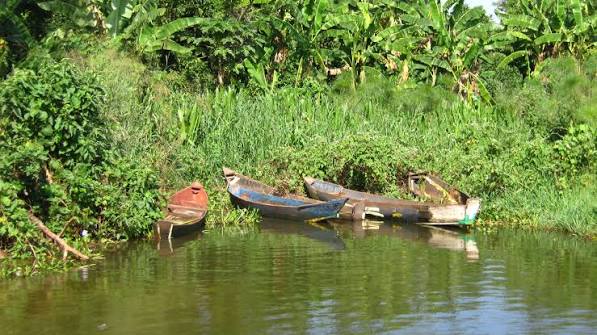
Lake Kyoga is fed by the Victoria Nile from the Jinja reach and drains northward toward Karuma — it is a central basin in Uganda's Nile story, not an isolated pond. Fishing supports communities around the shore; dawn landings, drying racks, and dugout canoes are normal scenery. Visitors who enjoy cultural realism alongside nature often find Kyoga more memorable than a sterile viewpoint pullout.
Boat outings vary by landing and season. Guides choose open-water routes or papyrus channels depending on wind and water level. Life jackets, dry bags, and morning starts are standard advice. Unlike ticketed park launches, community boats require flexible expectations on timing and craft type.
Birding, wildlife, and honest comparisons
Waterbirds — fish eagles, kingfishers, herons, cormorants, terns, and swamp specialists — are the main natural-history draw. Big mammals are not the reason to come. Kyoga complements Mabamba Swamp or Lake Opeta for listers building wetland arcs; it differs from Queen Elizabeth or Murchison Falls where savannah and larger mammals dominate.
Guides improve safety, landing access, and species interpretation — especially for papyrus targets and respectful distance around fishing gear and bird colonies. Casual photographers still benefit from any competent local operator who knows daily eagle activity.
Time, bases, and itinerary fit
Most visitors allow a half day to full day on the lake plus driving time from Soroti or the Jinja corridor. Overnight stays in Soroti or selected route towns beat rushed same-day returns to Kampala when birding or photography matters. Kyoga rarely anchors a week-long safari alone; it enriches multi-region routes toward Kidepo, Elgon, Murchison, or central Nile adventure.
See our best time to visit and getting there pages for season and route detail. Wildlife and birding depth sit on wildlife and bird watching.
Packing, safety, and responsible travel
Bring binoculars, sun protection, a rain jacket, drinking water, and a dry bag for phones and cameras. Wear muted colors and shoes suitable for wet boarding. Small cash helps for community fees and tips. Follow boat instructions, avoid litter in the lake and papyrus, and do not purchase undersize fish or disturb nesting birds.
Support community guides and fair boat fees — tourism income reinforces the value of intact wetlands when visits stay low-impact. Ask before photographing people at landings; fishing work is livelihood, not a staged show.
Where to read next
Ecology and Nile context: Lake Kyoga wildlife.
Bird lists and papyrus birding: Lake Kyoga bird watching.
Seasons and months: best time for Lake Kyoga.
Kampala, Jinja, and Soroti access: how to get to Lake Kyoga.
The main Lake Kyoga destination guide covers the full hub overview, nearby combinations, and safari planning context.