How to get to Lake Kyoga
There is no commercial airport on Lake Kyoga itself. Most visitors arrive by private safari vehicle, driver-guide, or arranged transfer along Uganda's eastern and central highways — typically as one stop in a multi-day loop rather than a standalone destination. Your start point (Kampala, Entebbe, Jinja, or Soroti) determines drive time more than map distance suggests, because traffic, road surface, and landing choice matter.
From Kampala and the Jinja / Nile corridor
A common approach from Kampala follows the eastern corridor through Jinja and the Source of the Nile reach — useful if you are already rafting, kayaking, or birding the headwaters before turning toward Kyoga's western arms. Allow roughly three to five hours to reach relevant Kyoga access near Nakasongola, Kayunga, or Kamuli directions depending on landing and stops — not a quick urban day trip without an early start.
Many travelers break the drive at Mabira Forest Reserve for forest birds and primate viewing — a natural pairing that splits a long transfer into two productive halves. Organized safaris coordinate fuel, lunch stops, and landing fees so you arrive at the lake with enough morning or afternoon margin for a boat session.
From Soroti and eastern Uganda
Soroti is the most practical eastern base for Lake Kyoga's Soroti-facing bays and island views. From town to selected landings or boat points often takes roughly thirty minutes to ninety minutes depending on site, road condition, and whether you pre-arrange a community boat. Soroti works well as an overnight stop on loops linking Lake Opeta, Nyero Rock Paintings, and northbound routes.
Approaching from Mount Elgon or Kidepo directions, Soroti-first routing keeps backtracking minimal. Confirm landing access with a local guide the day before travel — water level shifts which channels are navigable.
Northbound routes: Karuma, Gulu, and the Nile
Travelers on northbound Nile itineraries may encounter Lake Kyoga context when driving between Karuma Falls and eastern towns — the Victoria Nile connects the systems. Exact routing varies with bridge conditions, security advisories, and whether you prioritize Gulu access or eastern wetland birding. Treat Karuma as a fixed geography checkpoint and build Kyoga time around it rather than assuming a straight highway lakeside promenade.
Linking Kyoga with Murchison Falls National Park is possible on custom routes but involves long driving days; most planners choose Kyoga on eastern loops and Murchison on western Nile loops unless time is generous.
Self-drive vs guided tour
Independent travelers with a rental car can reach major towns and some lake margins, then hire local boats and guides at agreed landings. That suits experienced visitors who carry cash, confirm current access points, and accept navigation uncertainty on murram tracks after rain.
First-time visitors, photographers on tight schedules, and birders targeting papyrus specialists usually prefer a pre-arranged guided route from Kampala, Jinja, or Soroti. Guides handle landing negotiations, boat safety briefings, and timing around wind on shallow water — variables that self-drivers often underestimate.
What the lake leg looks like
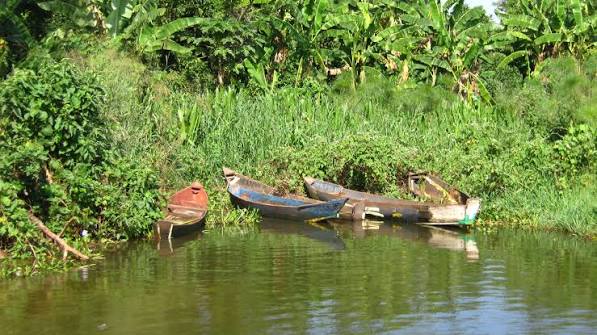
The signature Kyoga experience is a local boat on open water or through papyrus channels. Life jackets should be used when provided; keep electronics in dry bags; wear shoes that tolerate wet boarding. Morning departures reduce wind chop. Unlike structured park launches, community boats vary in size and engine type — flexibility and patience are part of the journey.
After heavy rain, allow extra time on approach roads — especially side tracks from Soroti or Kamuli districts. High-clearance 4×4 vehicles are safer; organized safaris normally include suitable transport.
Combining transport with nearby destinations
Logical same-loop pairings include Soroti town services, Lake Opeta swamp birding, Nyero Rock Paintings, and the Jinja / Source of the Nile corridor with Mabira Forest Reserve en route. Each stop has different timing rules — build the day around fixed cultural site hours or morning lake calm, not the reverse.
Longer safaris often position Kyoga between central Uganda adventure and northeastern parks. Treat Kyoga as a dedicated block; stacking it against a same-day ten-hour transfer to Kidepo rarely produces a satisfying lake visit.
Practical checklist before you go
Confirm pickup time, landing location, and boat availability the night before — especially in wet season. Carry small cash for community fees and tips. Share your next-night destination with your driver so routing toward Gulu, Soroti, or back to Kampala stays efficient.
Seasonal access notes sit on our Lake Kyoga best time to visit page. Species and ecology context appear on wildlife and bird watching.