Bird watching at Lake Katwe
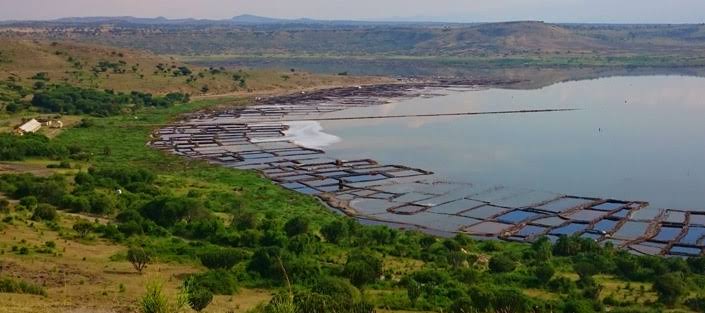
Bird watching at Lake Katwe unfolds in one of Uganda's most unusual habitats: a hyper-saline volcanic crater where salt pans, brine channels, and seasonal alkaline water attract a narrow set of species unlike the papyrus specialists of Mabamba Swamp or the channel megafauna platform of Lake Edward. Most list-building happens on foot near crater rims, village approach tracks, and the shallow pans around nearby Lake Munyanyange — often combined in one guided outing from Mweya or Katwe village within Queen Elizabeth National Park.
Katwe is a supporting stop for birders building a western Uganda arc — not a full-day replacement for Kazinga boats or Kyambura Gorge forest targets — but it adds alkaline-lake flavor and dramatic scenery when timed with local water conditions.
Flamingos: Lake Munyanyange and seasonal expectations
The headline draw for many travelers is lesser flamingo congregations on shallow alkaline lakes near Katwe, especially Munyanyange when water depth and food availability align. Flamingos filter brine shrimp and algae in synchronized feeding lines — extraordinary for photography when distance and light cooperate. Greater flamingos appear less predictably; treat both as seasonal bonuses.
Flamingo numbers fluctuate with rainfall, evaporation, and disturbance from salt work or livestock. Guides who checked conditions the same morning are invaluable — a pan full of birds at dawn may be empty after midday wind or human activity. Never pressure operators to approach too closely; wing noise and close approach stress feeding flocks and damage community relations.
Waterbirds on pans, rims, and crater margins
Beyond flamingos, alkaline pan birding can include black-winged stilt, pied avocet, little grebe, various plovers and sandpipers, blacksmith lapwing, and seasonal migrant waders when mudflats emerge. Herons and egrets hunt edges where freshwater runoff mixes with brine. African fish eagle and other raptors scan from dead trees on crater rims — especially morning thermals.
Inside active salt extraction zones, bird activity may be sparse; productive edges are often slightly removed from heavy pan work. Your guide routes you to viewpoints that balance visibility with worker safety and privacy.
Savannah and woodland species on approach drives
The drive to Katwe through Queen Elizabeth's explosion crater savannah adds open-country birds absent from the brine pools themselves: lilac-breasted roller, hooded vulture, black-headed gonolek, grey-backed fiscal, various cisticolas and larks, and raptors over grassland. Coucal, mousebirds, and weavers appear near village gardens. These are bonus list species en route — plan five to ten minutes of roadside scanning if your schedule allows.
Serious listers often pair Katwe morning birding with an afternoon Kazinga Channel cruise for waterbirds and raptors at scale, or with Kyambura Gorge for forest-edge specials on a separate day.
Seasons, rainfall, and chemistry
Dry months — broadly June to September and December to February — simplify road access and walking near rims. Water levels drop, concentrating birds on remaining shallows at Munyanyange and seasonal pans; dust and heat increase, so start early. Wet months expand water spread, sometimes dispersing flamingos but improving savannah greenery and migrant wader potential on muddy margins.
Local rain after long dry spells can rapidly change pan salinity and algae blooms — conditions birders track more reliably through guide networks than through fixed calendar rules. Flexibility wins: if flamingos are absent, lean into salt-cultural interpretation and savannah-edge species rather than treating the morning as failed.
Gear, ethics, and field technique
Bring 8×42 binoculars and a 100–400mm lens for flamingo groups at respectful distance. Polarizing filters help with glare on white salt crusts and bright water. Sun protection is essential — crater rims offer little shade. Closed shoes with grip matter on crust edges; sandals are unsafe near brine channels.
Playback near nesting or dense flamingo flocks is inappropriate. Ask before photographing salt workers; telephoto cultural shots without permission exploit labor. Support community guides who live in Katwe rather than drive-by stops without local payment.
Building a Queen Elizabeth birding day
A strong western Uganda birding day might sequence dawn flamingo scanning at Munyanyange, mid-morning Katwe salt interpretation with raptor watches on the rim, lunch at Mweya, and an afternoon Kazinga launch for fish eagles, storks, kingfishers, and possible skimmers when present. That day spans alkaline crater, open rift channel, and savannah woodland — three habitats, one park geography.
Forest specialists — greenbuls, broadbills, Albertine Rift endemics — require Bwindi or Kibale days elsewhere. Katwe does not replace forest interior targets; it complements water and savannah chapters.
Comparison with other Ugandan waterbird sites
Lutembe Bay and Entebbe Botanical Gardens emphasize Lake Victoria freshwater edge species. Bigodi Wetland offers swamp boardwalks near Kibale. Katwe's niche is saline crater ecology tied to living salt economies — a rarer story on international birding itineraries.
Record lists on eBird under Queen Elizabeth and Katwe-area hotspots; note pan conditions, wind, and whether Munyanyange held flamingos — future travelers benefit from that granularity more than generic month labels.
Ecology and mammals en route: Lake Katwe wildlife. Seasons: best time to visit. Access: how to get there. Main hub: Lake Katwe destination guide.