Lake Katwe — questions travelers ask before booking
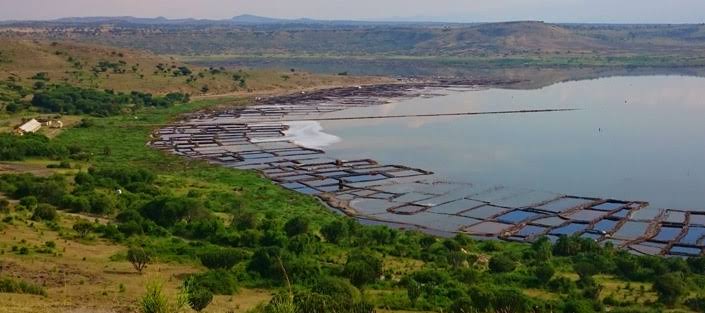
Lake Katwe is a hyper-saline explosion crater lake near Katwe village on the western margin of Queen Elizabeth National Park, famous for traditional salt mining, dramatic rift scenery, community livelihoods, and optional flamingo scanning at nearby alkaline pans such as Lake Munyanyange. It is not a second national park — it is a cultural-ecological extension that deepens a Queen Elizabeth stay when routed from Mweya, Katwe, or Kasese direction.
Most visitors do not fly to “Lake Katwe airport.” They sleep at Mweya or Katwe-area lodges, then drive 30–45 minutes to the crater with a community guide. Treat Katwe as purposeful half-day depth beside Lake Edward and Lake George channel time and optional Kyambura Gorge chimps.
Is Lake Katwe worth visiting?
Yes — if you want human geography inside a wildlife park, not if you expect another game drive. Katwe explains how families harvest salt from corrosive brine in the same landscape where elephants and buffalo move through savannah woodland. The visit rewards curiosity about labor, chemistry, and rift volcanism. Skip it only when your Queen Elizabeth stay is a single rushed night with no buffer for cultural stops.
What happens on a typical salt tour?
After driving from Mweya or Katwe village, a community guide walks you through viewpoints over evaporation pans, explains extraction cycles, and discusses how salt income supports households. You may observe workers wading brine channels with poles and canoes — observation requires permission and distance respect. Some itineraries add Munyanyange flamingo scanning when water conditions suit. Duration is usually 1.5–3 hours, not a full day.
Do I need a guide?
Strongly yes. Without local interpretation, Katwe looks like a bright crater from a roadside pull-off. With a guide, it becomes a structured lesson in economics, safety, and ecology. Guides identify stable footing, active pan boundaries, and ethical photography boundaries. Self-drive stops without community contact risk unsafe edges and intrusive worker photos.
Flamingos, fish, and wildlife expectations
Katwe's brine cannot support fish; hippos belong to Edward and George, not this crater. Lesser flamingos occur seasonally at Munyanyange — never guaranteed. Buffalo and elephant may appear on drives to or from the crater through Queen Elizabeth margins. Adjust expectations: Katwe is salt and scenery first, megafauna second.
Safety and respectful travel
Brine is corrosive; crust edges collapse. Wear closed shoes, follow guide paths, and never step into pans uninvited. Ask before photographing people; carry water and sun protection. Support fees that reach Katwe guides and households rather than treating mining as free entertainment.
How Katwe fits Queen Elizabeth scheduling
Two nights in Queen Elizabeth comfortably combine a game drive, Kazinga cruise, and Katwe half-day. One night works if Katwe shares a transfer day with another activity. Morning Katwe beats afternoon heat on salt floors. Pairing morning Kyambura Gorge chimps with afternoon Katwe is popular but tiring — pace accordingly.
Combining with Edward, George, and wider circuits
Katwe deepens the same geography as Lake Edward fisheries and channel hippos — complementary stories of water use. Longer safaris link onward to Fort Portal, Kibale, Bwindi, or Rwenzori Mountains depending on direction. Katwe rarely anchors an entire trip alone; it enriches western Uganda depth days.
Where to read next
Ecology and salt landscape: Lake Katwe wildlife.
Flamingos and pan birding: bird watching at Lake Katwe.
Seasons and heat timing: best time to visit.
Road access and guides: how to get there.
Family travel and mobility
Older children engaged by science and culture often find Katwe memorable; very young children may struggle with heat and limited shade on rim walks. Strollers are impractical on crust paths; baby carriers work better on short viewpoints. Elderly travelers should confirm how much walking is included — guides can sometimes emphasize rim overlooks over pan-floor approaches.
Travel insurance with medical evacuation remains standard advice for all Uganda safaris — Katwe risks are mainly heat and footing rather than wildlife charge, but remote western sectors justify ordinary policy checks before departure.
Main hub: Lake Katwe destination guide with nearby combinations including Queen Elizabeth National Park, Lake Edward, and Lake George.