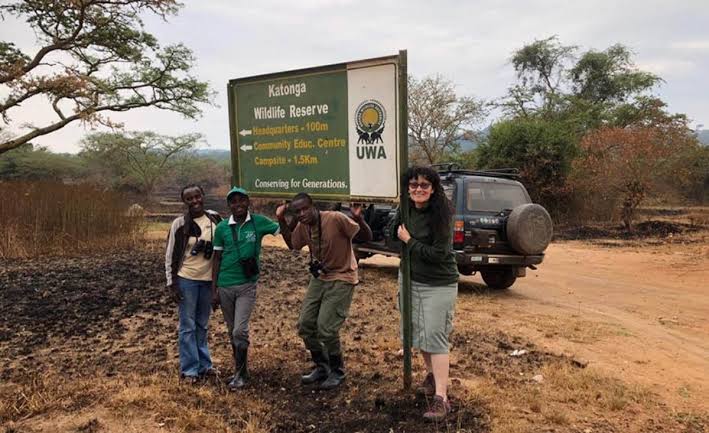
Katonga Wildlife Reserve — questions travelers ask before visiting
Katonga Wildlife Reserve is a wetland–savannah reserve on the Katonga River system in central-western Uganda — valued for sitatunga habitat, papyrus ecology, canoe exploration, and birding on routes linking Kampala, Masaka, Mbarara, and Lake Mburo National Park. It is not a headline park like Murchison or Queen Elizabeth.
The reserve works best when booked as a purposeful wetland day with guides who know swamp channels — not a drive-by on the way to gorilla trekking unless you explicitly plan the stop.
Sitatunga, canoes, and expectations
Sitatunga are shy swamp antelope — sightings require patience, early starts, and often canoe access. No operator should guarantee views. Compare expectations with open savannah at Lake Mburo before choosing Katonga.
Access and fees
Confirm Uganda Wildlife Authority fees, guide requirements, and boat availability before travel. Reserve operations change more often than flagship parks. Organized safaris normally handle coordination; independent travelers should call ahead.
Pairing with nearby sites
Bigo Bya Mugenyi adds archaeological context; Lake Mburo adds zebra and impala savannah. Stacking all three demands a long custom day or two-night regional plan.
What to wear and pack for swamp days
Long trousers, closed shoes that tolerate mud, insect repellent, sun hat, rain jacket, and a dry bag for electronics suit canoe mornings. Life jackets should be worn when provided — papyrus channels hide submerged logs. Telephoto lenses help for distant sitatunga but never justify chasing animals through swamp.
Honest comparison with Mabamba
Mabamba Swamp markets shoebill on Lake Victoria; Katonga markets sitatunga on the Katonga River system. Both reward patience and local boats; neither guarantees flagship species. Choose Katonga when your route already crosses central-western Uganda rather than doubling back to Entebbe wetlands.
UWA fee schedules change periodically — verify foreign resident, foreign non-resident, and East African rate categories when budgeting. Canoe fees may be separate line items on operator quotes.
Research travelers and academics
Graduate researchers studying sitatunga or papyrus ecology may arrange longer reserve access through UWA research permits — distinct from standard tourist loops. Safari planners should not confuse academic timelines with half-day client expectations.
Combining with Queen Elizabeth routing
Travelers heading to Queen Elizabeth National Park may visit Katonga northbound from Mbarara when custom routing avoids empty highway miles — confirm that wetland time still allows sensible park gate arrival before dark.
Pack duplicate dry bags for cameras — papyrus dew and splash from poling soak gear quickly even on calm mornings.
Travel insurance covering wetland activities and missed connections helps when rain cancels canoe launches on tight western park schedules.
Where to read next
Wildlife: Katonga Wildlife Reserve wildlife.
Birding: bird watching at Katonga.
Seasons: best time to visit.
Access: how to get there.
The main Katonga Wildlife Reserve destination guide covers full safari context.