How to get to Katonga Wildlife Reserve
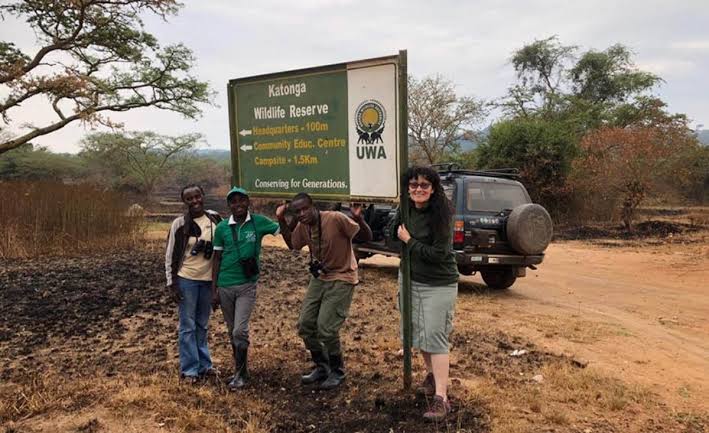
Travelers reach Katonga Wildlife Reserve by road on the Kampala–Masaka–Mbarara corridor in central-western Uganda. The reserve lies in the orbit of Lake Mburo National Park, Bigo Bya Mugenyi, and routes continuing toward Queen Elizabeth National Park. There is no standard scheduled flight to Katonga; private safari vehicles, driver-guides, and confirmed UWA access handle the last miles on reserve tracks and swamp launch points.
From Kampala
From Kampala, the southwestern highway toward Masaka and Mbarara is the usual spine — roughly three to four hours to the general reserve approach zone depending on stops and traffic leaving the capital. Many itineraries pause at the Uganda Equator near Kayabwe or combine Mpanga Forest birding en route on specialist trips.
From Masaka and Lake Mburo
From Masaka, drive time toward Katonga is shorter — often cited in the one- to two-hour range depending on exact entry point and road surface. Travelers basing at Lake Mburo National Park lodges sometimes add Katonga as a wetland contrast day if operators coordinate distance and permits.
From Mbarara and western parks
From Mbarara, Katonga lies northward on return or circular routes — useful when avoiding repetitive highway mileage without purpose. Queen Elizabeth-bound travelers may visit before entering the park's Kasenyi sector if routing is customized.
Vehicles, boats, and guides
High-clearance 4×4 helps on reserve tracks, especially after rain. Canoe access requires local boats and life jackets when UWA or concession operators offer swamp activities. Self-drive travelers must confirm current entry points; first-time visitors benefit from arranged guiding for sitatunga habitat.
Combining routes
Logical pairings include Bigo Bya Mugenyi earthworks, Lake Mburo savannah, Lake Wamala, and Kampala cultural stops on multi-day central circuits. Treat Katonga as a purposeful wetland block, not a five-minute highway photo pause.
Equator and Mpanga Forest detours
Kampala departures often pause at the Uganda Equator near Kayabwe — add thirty to forty-five minutes with crowds and craft stalls. Birding specialists may detour to Mpanga Forest for forest-edge species before turning toward Katonga — a long but purposeful day requiring early departure. Without those stops, reserve approach times improve but list diversity narrows.
Self-drive and mobile signal
Reserve entry points and swamp launch sites may lack reliable mobile data — download offline maps and carry UWA contact numbers on paper. Self-drive renters should confirm whether rental agreements permit reserve track mileage and boat activities.
Overnight options near the reserve
Most visitors stay in Masaka, Mbarara, or Lake Mburo lodges rather than at Katonga itself. Early-morning swamp departures from distant hotels require pre-dawn drives — confirm whether your operator includes packed breakfast or whether lodges offer takeaway boxes the night before.
Highway truck traffic between Kampala and Mbarara peaks overnight — avoid scheduling Katonga returns that require drowsy driving after long swamp days. Overnight in Masaka splits the journey sensibly for self-drive renters.
Some operators meet clients at pre-arranged junctions rather than hotel doors — confirm exact coordinates and driver phone numbers the night before swamp departures.
Western-bound travelers with gorilla permits in Bwindi should not sacrifice trekking briefings for same-day Katonga — schedule wetland days before permit dates or on return legs with slack.
Roadside markets near Masaka sell fruit and snacks for long swamp days — stock up before turning onto reserve tracks with limited vendors.
Confirm return pickup time before entering swamp channels — late poling sessions miss highway connections toward evening gorilla briefing deadlines in western Uganda.
Seasons on best time to visit; wildlife on wildlife and bird watching.