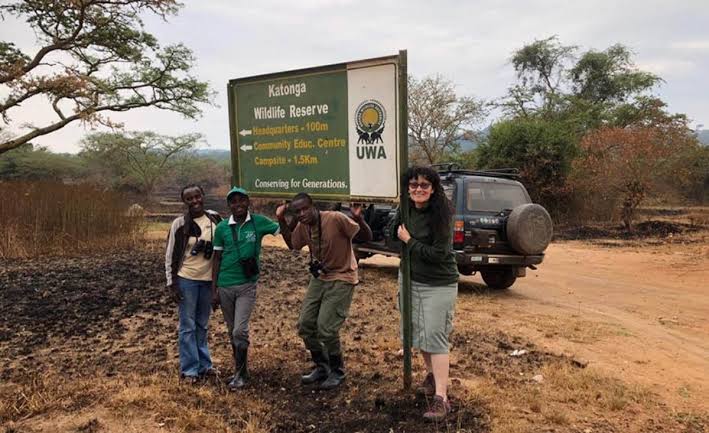
Bird watching at Katonga Wildlife Reserve
Bird watching in Katonga Wildlife Reserve overlaps the same habitats that make the site a sitatunga destination: papyrus fringes, Katonga River margins, seasonal floodplain, and adjoining grassland. Listers building a central Uganda route often slot Katonga between Lake Mburo National Park savannah birds and Kampala-region wetlands — a middle chapter for swamp specialists and bush-country species together.
Papyrus and wetland specialists
Papyrus beds may hold papyrus gonolek, white-winged warbler, carruther's cisticola, and other swamp-edge species when guides work channels slowly by canoe or on foot where permitted. Kingfishers, herons, egrets, and rails use quieter pools. African fish eagle and palm-nut vulture appear over wider landscapes. Exact day lists depend on water level, season, and effort after the main swamp loop.
Katonga is not Mabamba Swamp — shoebill is not the marketing headline — but the papyrus skill set rhymes for birders extending wetland arcs beyond Entebbe.
Grassland and woodland birds
Open sections add cisticolas, bishops, widowbirds, rollers, and raptors on thermals. Hornbills and barbets sound from riverine forest patches. Night jars and owls may interest specialists on overnight routes — uncommon for typical transfer-day visitors.
When and how to bird Katonga
Dawn to mid-morning suits swamp and grassland activity. Carry 8×42 binoculars, insect repellent, a rain jacket, and dry bags if canoeing. A birding guide who knows calls and papyrus stakeouts adds far more value than a passive drive-through.
Combine with Bigo Bya Mugenyi for cultural depth the same day only if timing is generous — rushing both reduces birding quality.
Realistic expectations
Katonga will not replace Kibale forest birding or Queen Elizabeth waterbird cruises. It earns inclusion when you want uncrowded wetland birding on a Lake Mburo or western transfer route.
Night and dawn soundscapes
Specialists overnighting nearby may hear square-tailed nightjar, owls, and swamp frogs before dawn canoe departures — uncommon on rushed highway days. Most visitors still bird mornings only; plan accordingly if nocturnal lists matter to your Uganda trip.
Playback ethics and swamp silence
Papyrus specialists respond to playback inconsistently — overuse stresses breeding birds. Ethical guides limit call playback and prioritize habitat scanning from poling canoes. Silence often produces more rail and crake activity than constant conversation; ask boatmen to pause mid-channel when you work dense vegetation edges.
Checklist pairing with Lake Mburo
Lake Mburo delivers open-country birds — lapwings, coqui francolin, red-faced barbet on lucky routes. Katonga adds papyrus gonolek ambition Mburo lacks. Doing both on one marathon day from Kampala exhausts even keen listers; two nights in the region split the workload.
Grassland edge scanning after swamp mornings
Afternoon grassland loops after canoe sessions can add open-country species missed in papyrus — widowbirds, pipits, and kestrels use shorter grass near reserve edges. Schedule lunch near Masaka if combining Bigo and Katonga on ambitious days.
Field guides covering Uganda should include papyrus and swamp sections before visiting — Katonga rewards preparation more than spontaneous roadside stops without target species in mind.
Papyrus edge mammals and reptiles
Monitor lizards bask on fallen papyrus stems; snakes occur though guides avoid sensationalizing encounters — watch foot placement when stepping onto swamp margins between boat and land sections. Amphibian choruses after rain help locate hidden pools worth scanning with binoculars.
Swamp mammals visible from boats
While birding, watch for sitatunga ears among papyrus stems and otter movement in quieter channels — mammals and birds share the same slow poling rhythm. Hippos are possible in deeper pools; keep distance and follow boatmen instructions without leaning over gunwales.
Download offline bird calls only for pre-trip study — playback in papyrus stresses breeding birds and annoys other visitors seeking quiet swamp mornings.
Share target species with your guide before launching — a written short list of papyrus specialists improves stakeout planning more than generic wetland expectations.
Wildlife mammals on wildlife at Katonga Wildlife Reserve; seasons on best time to visit; routing on how to get there.