Bird watching in Jinja
Bird watching in Jinja rewards travelers who pack binoculars alongside life jackets. The city sits on the White Nile downstream from Lake Victoria — a junction of river rapids, cruise lagoons, farm margins, and accessible forest at Mabira Forest. You will not match Mabamba Swamp shoebill hype here, but you can build credible eastern Uganda birding days without derailing rafting or Source of the Nile sightseeing.
Nile cruises and Source of the Nile birds
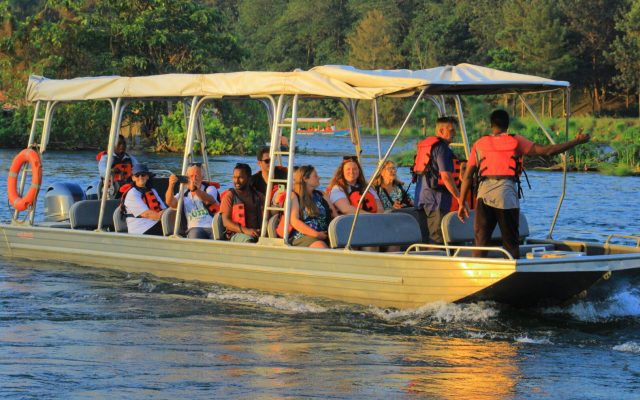
Boat excursions near Source of the Nile produce African fish eagle, long-tailed cormorant, various herons and egrets, kingfishers, and jacanas where vegetation allows. Sunset cruises add atmosphere; dawn trips improve activity and light. Guides focused on leisure may not call every species — request a birding-aware skipper if lists matter.
Combining cruises with short walks at monument areas adds weavers, sunbirds, and urban-edge colonists. Keep expectations realistic on crowded holiday weekends when boat noise and passenger chatter reduce sensitive species approach.
Itanda Falls and rapids corridor
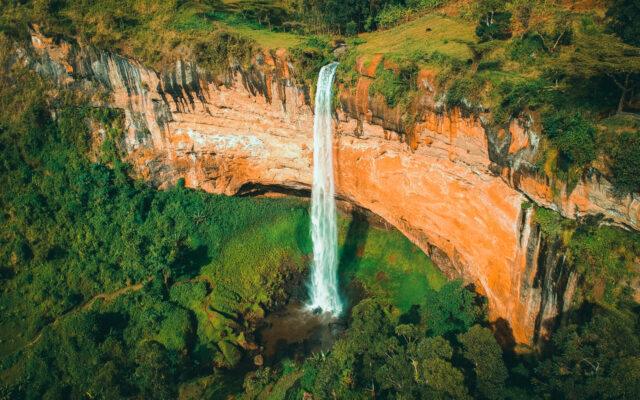
Itanda Falls viewpoints add rock-loving species, swifts, martins, and raptors over farmland approaches. Morning stops before rafting convoys arrive maximize calm scanning. See bird watching at Itanda for rapids-specific detail — many Jinja birding days link town cruises with downstream river stops.
Mabira Forest day trips
Mabira Forest — roughly an hour west toward Kampala — holds forest hornbills, turacos, woodland kingfishers, and monkey-associated birding on guided trails or zip-line property edges. Serious listers often schedule Mabira dawn, Jinja afternoon Nile — opposite sequencing works if adventure activities book morning slots.
Seasons and migrants
Residents occur year-round. Palearctic migrants frequently strengthen lists from roughly October to March — useful when Jinja is a mid-itinerary leisure break on longer Uganda birding safaris. Dry months (June–September, December–February) simplify forest trails and riverside access; rainy months green landscapes and may raise river volume — dramatic for scenery, trickier for bank birding.
Gear, guides, and pacing
Carry 8×42 binoculars, field guide, sun protection, rain jacket, and dry bags for boat spray. Telephoto lenses suit eagles and kingfishers. Move quietly on forest trails; on cruises, wind and engine noise favor visual ID.
Birding specialists in Kampala–Jinja corridor can customize full days; casual adventure travelers still enjoy fish eagles without formal lists. Photograph local people only with permission at village stops en route to Itanda.
Source lagoon and monument-area species
Monument zones and associated lagoons hold long-tailed cormorant, reed cormorant, black-headed heron, cattle egret, and various weaver colonies in season. Hamerkop nests on riverside structures attract photographers when access is respectful. Kingfishers hunt from overhanging vegetation — pied and malachite are reliable; giant kingfisher is a bonus on quieter mornings.
Weekend boat traffic reduces approach distance for shy species — another reason dawn departures matter on holiday calendars.
Itinerary combinations
Jinja birding pairs with Entebbe and Mabamba on arrival/departure arcs, Sezibwa Falls for cultural wetland stops, and eastern highland routes toward Sipi Falls and Mount Elgon. See Jinja wildlife, best time to visit, and getting there for ecology and logistics.
Bujagali corridor and farmland raptors
The Bujagali stretch between town and downstream rapids adds open-country scanning — black kite, lizard buzzard, palm-nut vulture, and swallows over cultivation. Combine with Itanda Falls morning stops when building a full Nile birding day. Guides who work both adventure and birding circuits know which farm tracks remain accessible seasonally without disturbing landowners.
Recording and checklist discipline
Jinja is a strong eBird county for travelers who log diligently — note cruise route, Itanda stop duration, and Mabira trail name in checklist comments. Casual visitors still enjoy fish eagles without formal lists; photographers should pack lens rain covers for spray at rapids and on boats.
Half-day Nile-only birding without Mabira typically yields shorter lists — plan full days when species count is the primary goal.