Best time to visit Jinja
Jinja markets itself as a year-round adventure capital — and broadly that holds. White-water operators, Source of the Nile cruises, and town restaurants run through most months. Smart planning still asks: Are you optimizing for high-volume rapids or gentler family rafting? Do you need dry roads for Mabira Forest walks? And can you avoid Kampala weekend traffic that eats two hours of your Saturday morning?
Time of day and weekend rhythm
Rafting and kayaking commonly book late morning departures after briefing — leaving dawn for Source of the Nile cruises, Itanda Falls photography, or Mabira Forest birding. Friday evening and Sunday afternoon highway jams between Kampala and Jinja are notorious; weekday adventure days feel calmer on water and at restaurants.
Ugandan public holidays and school breaks flood Jinja with domestic leisure traffic — book lodges and rafting slots early for Christmas, Easter, and mid-year school holidays.
Dry season vs rainy season
Broadly drier windows — June to September and December to February — simplify highway travel, riverside walking, quad biking, and multi-activity stacking (cruise + town dinner + next-day forest). International tourism peaks overlap — riverside lodges fill; expect higher rates around Christmas and European summer.
Rainy peaks around March to May and October to November raise Nile levels — often more dramatic Itanda Falls and stronger advanced rafting when operators permit. Afternoon downpours interrupt outdoor plans; pack rain gear and keep flexible afternoons. Greener Mabira forest and atmospheric skies reward photographers willing to accept weather risk.
Activity-specific seasons
White water rafting depends on operator safety thresholds — high water can close certain lines while intensifying others. Kayaking lessons and family floats may prefer moderate flows in drier months. Bungee and zip lines are less flow-dependent but still weather-sensitive during storms.
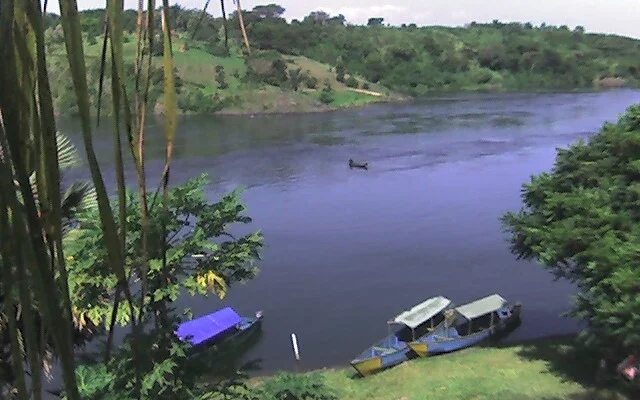
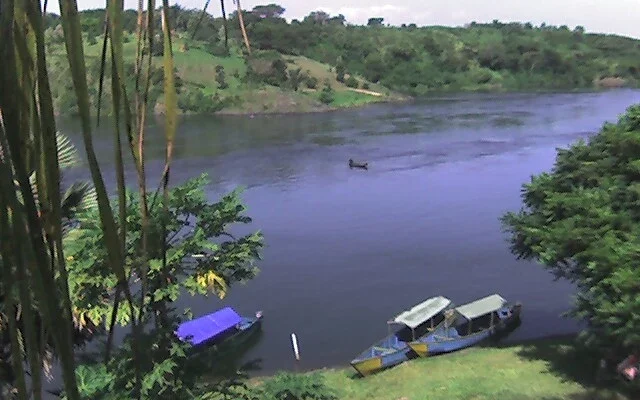
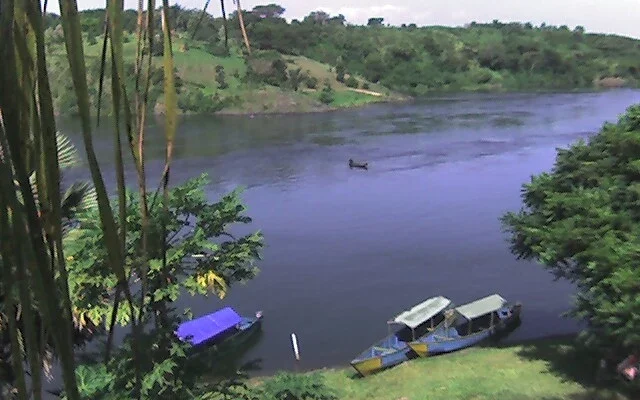
Source of the Nile cruises run most months; hippo and bird sightings vary more than schedule. Birders targeting migrants often favor October–March; general adventure travelers favor dry-road months.
Combining Jinja with eastern Uganda
Jinja opens loops toward Mount Elgon, Mbale, Sipi Falls, and Kapchorwa. Dry months simplify mountain road legs; rainy months may prioritize Jinja water activities when highland trails are slick. Sezibwa Falls side trips need murram caution after rain.
Arrival and departure positioning
Jinja fits first-weekend breaks from Entebbe or Kampala and as a decompression stop after gorilla trekking before flying home — if dates allow. Same-day Entebbe–Jinja–Entebbe is tight for meaningful adventure; overnight stays strongly recommended.
Corporate retreats and international peaks
Jinja hosts team-building and conference overflow from Kampala — especially dry-season weeks when outdoor activities are reliable. Lodge rates and rafting slots tighten when corporate groups book riverside properties mid-week. International adventure peaks (European summer, Christmas–New Year) overlap with domestic holiday traffic — reserve early if dates are fixed.
Month-by-month snapshot
January–February: Drier, popular, strong all-round adventure window.
March–May: Rainier, higher river drama possible; flexible plans help.
June–August: Peak travel; book early; excellent highway access.
September: Transition; still good; watch local rain.
October–November: Second rainy peak; lush scenery; afternoon storms.
December: Holiday crowds; reserve rafting and lodges weeks ahead.
See Jinja wildlife, bird watching, and getting there for ecology and access.
Honeymoon and leisure traveler seasons
Couples and non-rafters often prefer dry months for sunset cruises, riverside lodge ambience, and calmer Source of the Nile boat schedules — less dependent on peak flow than kayakers. Shoulder rainy months offer lower lodge rates and dramatic skies when afternoon storms clear before dinner cruises. Book riverside tables and private boat slots ahead for Valentine, Christmas, and Ugandan wedding-season weekends.
Long-stay and remote-work weeks
Remote workers occasionally base in Jinja for multi-week stays — dry months suit reliable power and outdoor coworking on lodge verandas; rainy months demand backup indoor plans when afternoon storms interrupt river activities.