Bwindi Impenetrable National Park — questions travelers ask before booking
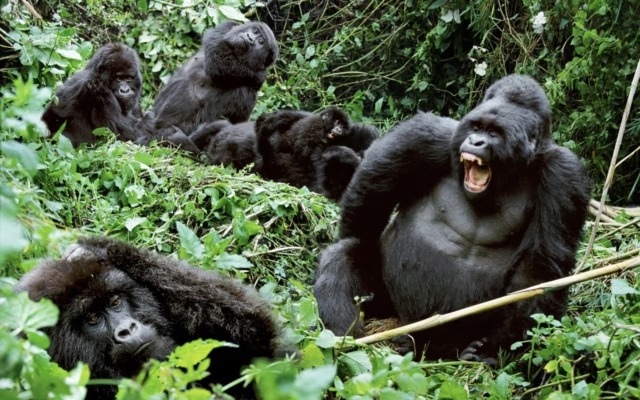
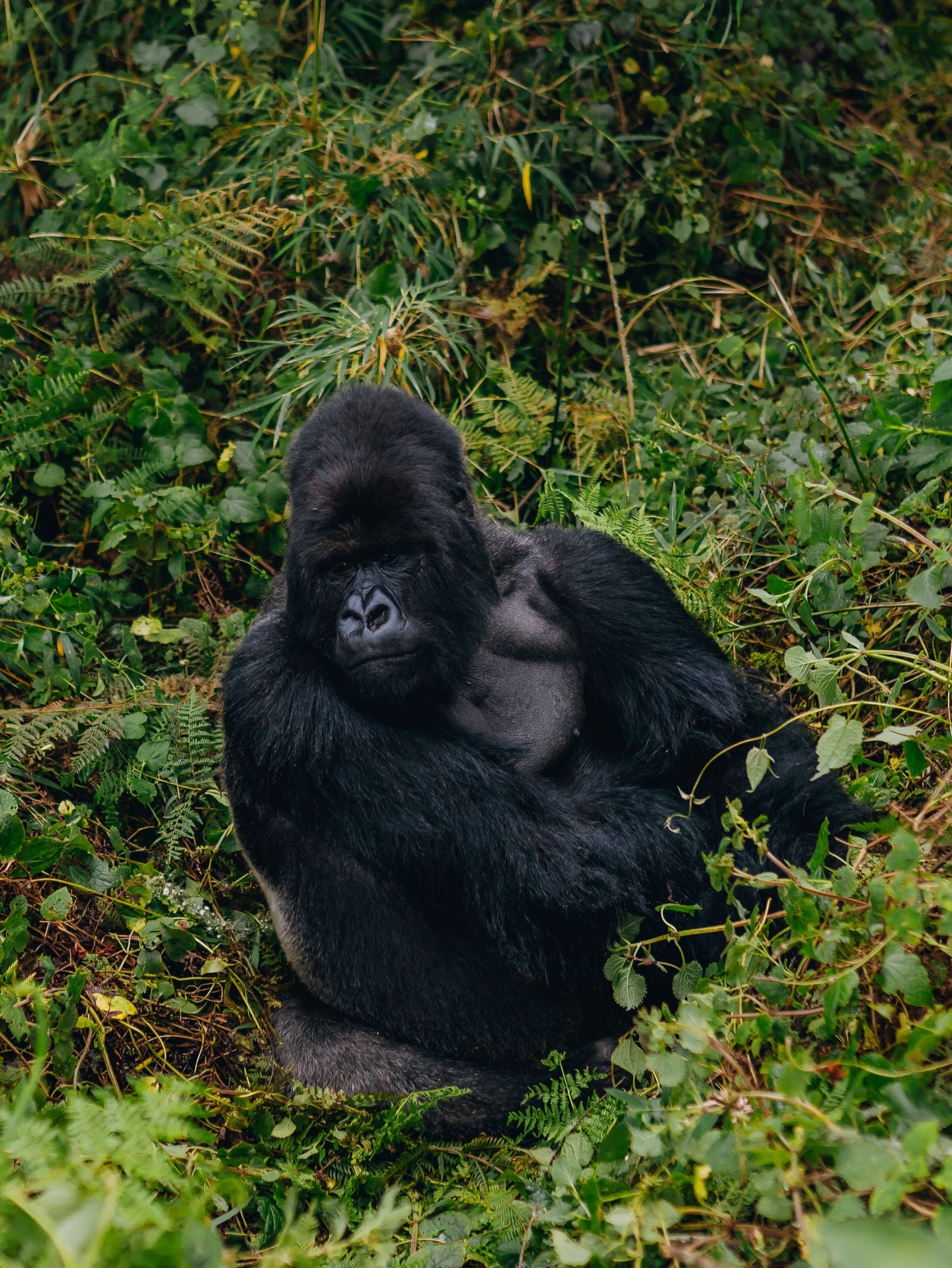
Bwindi Impenetrable National Park is Uganda's most internationally recognized wildlife destination — a UNESCO World Heritage montane rainforest protecting roughly half of the world's mountain gorillas across sectors Buhoma, Rushaga, Ruhija, and Nkuringo. It is not a savannah park. Understanding forest trekking, permit rules, and sector logistics upfront prevents the common mismatch — expecting easy game drives, then discovering steep muddy trails and mandatory briefing times.
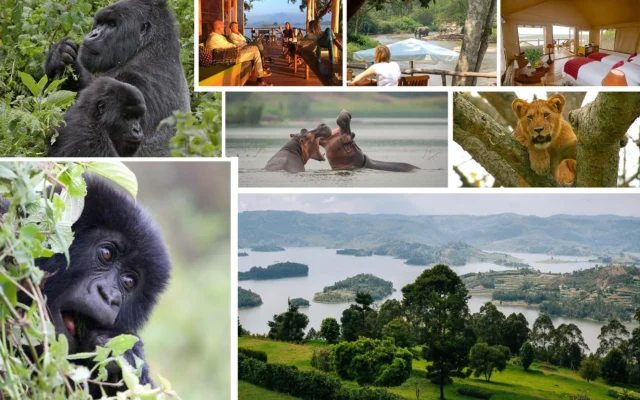
The park works best as a two- to three-night anchor on southwestern Uganda itineraries, paired with Queen Elizabeth, Kibale, Lake Bunyonyi, or Mgahinga Gorilla National Park. Rwanda-combination routes through Kigali suit southern sectors when permits and border logistics align.
Gorilla permits, habituation, and guarantees
Gorilla trekking permits are issued by Uganda Wildlife Authority for specific dates and sectors. Standard trekking allows about one hour with a habituated family after finding the group. The Gorilla Habituation Experience in Rushaga offers extended time with semi-habituated gorillas under stricter protocols — fewer slots, higher cost, book further ahead.
Finding gorillas is highly reliable with UWA trackers, but trekking duration varies from under two hours to six or more hours depending on family location and sector terrain. No operator can guarantee a short trek — honest planning assumes full-day commitment and physical readiness for steep, muddy forest.
Health rules and responsible trekking
Respiratory illness can threaten gorillas; UWA may deny trekking if you are visibly unwell. Minimum age is typically 15 for standard trekking. Maintain regulated distance, avoid flash photography, and follow ranger instructions. Porter hire supports local communities and improves safety on Nkuringo and Rushaga slopes. Do not litter or touch gorillas or forest wildlife.
Sectors, lodges, and logistics
Book lodges near your assigned sector. Buhoma has the most established infrastructure; Rushaga offers the most habituated families and habituation; Ruhija suits birders; Nkuringo offers dramatic views and tough trekking. Changing sectors after permit purchase is difficult — secure permits before finalizing lodge reservations.
See our best time to visit and getting there pages for seasons and routes. Wildlife and birding depth sit on wildlife and bird watching.
Where to read next
Forest wildlife beyond gorillas: Bwindi wildlife.
Albertine Rift birding: Bwindi bird watching.
Seasons and permits: best time for Bwindi.
Entebbe, Kigali, and flights: how to get to Bwindi.
The main Bwindi Impenetrable National Park destination guide covers hub overview, Batwa cultural context, and full safari planning.
Children, fitness, and health screening
Gorilla trekking minimum age is typically fifteen years. Trekking demands cardiovascular fitness and joint stability on steep, muddy slopes — honest self-assessment prevents dangerous situations on forest trails. UWA may deny participation if you report illness that could affect gorillas; reschedule policies vary — confirm with your operator when booking.