Nairobi is Kenya's capital and East Africa's busiest safari gateway — a high-altitude city where international arrivals, boutique hotels, museums, markets, and world-famous conservation centres sit within striking distance of genuine wilderness. From Nairobi National Park, where lions and rhinos graze against a skyline backdrop, to fly-in departures for Maasai Mara National Reserve and road transfers south to Amboseli National Park, the city anchors almost every classic Kenya safari circuit.
For travelers combining Kenya savannah with Uganda gorilla trekking or Rwanda primate routes, Nairobi often serves as the regional aviation hub — with daily connections to Entebbe and Kigali — while still offering enough urban depth to justify one or two deliberate city days rather than a rushed airport dash.
Yet Nairobi is far more than a transit lounge. The David Sheldrick Wildlife Trust elephant orphanage, Giraffe Centre, Karen Blixen Museum, Nairobi National Museum, Karura Forest trails, and vibrant neighbourhoods from Karen to Westlands reward travelers who treat the capital as part of the safari story — not an inconvenience between flights.
Whether you are planning a Mara migration safari, an Amboseli elephant-and-Kilimanjaro circuit, a cross-border gorilla extension, or a short pre-safari wildlife morning in the world's only capital-adjacent national park, Nairobi travel deserves realistic traffic planning, sensible hotel zoning, and operator coordination that accounts for Kenya's famously congested rush hours.
Quick Facts About Nairobi
| Feature | Details |
|---|---|
| Country | Kenya |
| Destination Type | Capital city & safari gateway |
| International Airport | Jomo Kenyatta International Airport (NBO), Embakasi |
| Domestic / Bush Flights | Wilson Airport (WIL) — Mara, Amboseli, coastal and regional routes |
| Elevation | Approximately 1,795 metres (cooler than lowland parks) |
| Drive to Nairobi National Park | Roughly 15–45 minutes from central hotels depending on traffic |
| Drive to Maasai Mara | Typically 4–6 hours to main gates; 45–60 minutes by air from Wilson |
| Drive to Amboseli | Typically 4–5 hours south via Namanga or Emali routes |
| Main City Attractions | Sheldrick orphanage, Giraffe Centre, Karen Blixen Museum, National Museum, Karura Forest, city markets |
| Best For | International arrivals, Kenya safari logistics, urban wildlife day trips, East Africa flight connections |
| Best Time to Visit | June–October & January–February (drier safari windows); year-round for city stops |
| Nearby Safari Parks | Nairobi National Park, Maasai Mara, Amboseli, Lake Nakuru, Tsavo |
Overview of Nairobi
Nairobi began as a colonial railway supply depot and grew into one of Africa's most important diplomatic, business, and tourism cities. Today it is home to United Nations Environment Programme headquarters, a thriving tech sector nicknamed "Silicon Savannah," and a safari industry that moves thousands of travelers weekly toward the Mara, Amboseli, Samburu, and coastal circuits — plus cross-border routes into Tanzania and Uganda.
The city spreads across a highland plateau at roughly 1,795 metres, which keeps temperatures milder than coastal Mombasa or lowland Tsavo — daily highs often in the low to mid-twenties Celsius, with cool evenings that surprise first-time visitors expecting equatorial heat. That altitude also shapes urban birding and forest trails in Karura and Ngong Hills, while afternoon traffic remains the single biggest variable in Nairobi logistics.

As a Kenya safari gateway, Nairobi occupies a unique position: it is the only world capital with a national park inside its metropolitan boundary. Nairobi National Park delivers lion, rhino, giraffe, and buffalo viewing with skyscrapers on the horizon — an unbeatable half-day for arrival or departure buffers. Beyond that urban edge, the city functions as the road and air hub for Maasai Mara (migration, predators, conservancies) and Amboseli National Park (elephant super-abundance and Kilimanjaro views), with Wilson Airport scheduling bush flights that skip Kenya's long highway transfers.
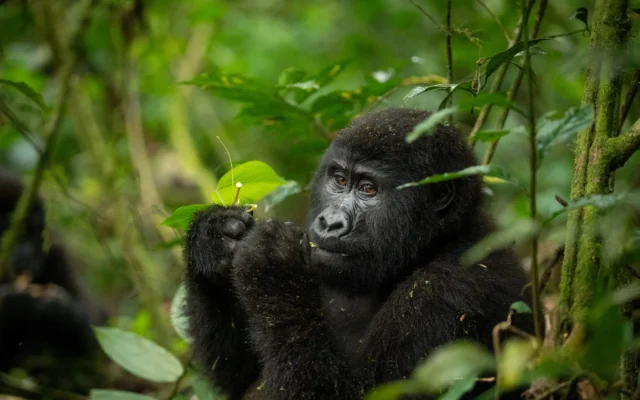
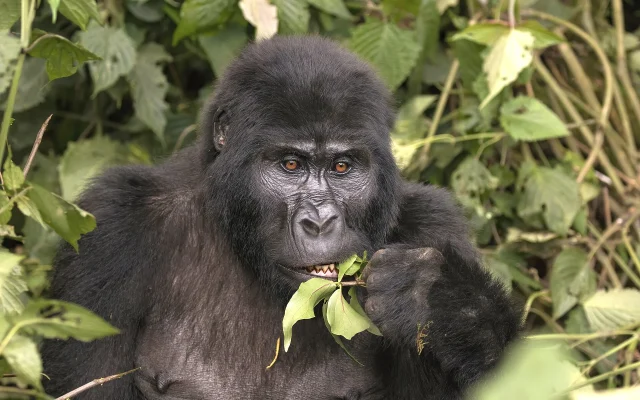
International visitors also use Nairobi as a connection point for Uganda gorilla trekking. Daily flights link NBO to Entebbe; overland routes via Busia or Malaba borders suit adventurous multi-country itineraries when combined with licensed operators who handle permits and timing. Rwanda's Kigali is similarly reachable by air for travelers comparing East Africa primate circuits.
Why Visit Nairobi?
Many safari planners treat Nairobi as a necessary evil. That is a mistake — the city offers experiences no bush lodge can replicate, and its gateway efficiency can make or break a Kenya itinerary.
East Africa's Premier Safari Launchpad
No other city combines this density of international flights, bush aviation, and proximity to flagship parks. Maasai Mara receives road convoys and daily scheduled flights from Wilson; Amboseli lies half a day south; Nairobi National Park is a morning excursion. Operators cluster in Karen and Westlands; vehicle fleets, guides, and permit systems are mature and competitive — a meaningful advantage for travelers building custom Kenya routes.
Wildlife Experiences Inside the City Radius
The Nairobi National Park rhino sanctuary, David Sheldrick Wildlife Trust (elephant orphanage public visits at 11:00 a.m.), Giraffe Centre feeding platforms, and Nairobi Safari Walk deliver authentic animal encounters without overnighting in the bush. For families, short business trips, or gorilla-trekking combos that already include remote lodge nights, these city-radius stops add wildlife value without another full park transfer.
Culture, History, and Contemporary Kenya
The Karen Blixen Museum preserves Out of Africa literary history; the Nairobi National Museum covers deep archaeological and ethnographic collections; Maasai Markets rotate through hotel zones with beadwork and textiles; and neighbourhoods from Kilimani to Lavington host restaurants spanning nyama choma grills to fine dining. Nairobi rewards travelers who want urban Africa as part of the safari narrative — not a sterile airport hotel blur.
Regional Flight Connections
NBO connects to Entebbe, Kigali, Dar es Salaam, Zanzibar, and dozens of regional hubs — critical for Uganda–Kenya combinations, Tanzania northern-circuit extensions, and Indian Ocean beach finishes after Mara or Amboseli legs. Build buffer nights when connecting long-haul arrivals to early-morning bush flights; Wilson check-in and baggage rules differ from NBO international terminals.
Gateway to Cross-Border Gorilla Safaris
Kenya savannah followed by Uganda or Rwanda gorilla trekking is a commercially popular arc: Mara or Amboseli first, then fly NBO–Entebbe or NBO–Kigali for Bwindi Impenetrable National Park or Volcanoes National Park permits. Nairobi's aviation density makes that sequencing easier than from smaller regional capitals — provided permit dates and flight times align with operator precision.
Practical Tourism Infrastructure
ATMs, SIM cards, safari outfitters, pharmacy chains, and international-standard hospitals cluster in the city. Last-minute gaiter purchases, camera repairs, and laundry between lodge legs happen here. Traffic is the trade-off — plan transfers outside peak rush (roughly 7:00–9:00 a.m. and 4:30–7:00 p.m.) whenever possible.
Top Things to Do in Nairobi
Nairobi city tours work best with private guides or reputable operators who understand traffic patterns and timed entry slots at popular conservation centres.
Nairobi National Park
Kenya's oldest national park — and the only one bordering a capital city — protects black rhino, lion, leopard, cheetah, buffalo, giraffe, and diverse plains game across acacia woodland and open grassland. Morning game drives (6:30–10:00 a.m.) beat afternoon traffic and heat; the park gate lies roughly 10 kilometres from the CBD via Langata Road. Combine with Sheldrick or Giraffe Centre on the same southern corridor when timing allows.
David Sheldrick Wildlife Trust
The elephant orphanage's public visiting hour (typically 11:00 a.m. to noon) is among Nairobi's most moving wildlife experiences — rescued calves mud-bathing and bottle-feeding before eventual wild release. Arrive early; parking fills on peak safari season mornings. Advance fostering sponsorships include evening private visits for supporters.
Giraffe Centre
Hand-feed endangered Rothschild's giraffes from a raised platform at the African Fund for Endangered Wildlife centre in Karen. Educational talks, nature trails, and boutique shopping suit families and photographers. Pair naturally with Karen Blixen Museum five minutes away.
Karen Blixen Museum
The restored farmhouse of the Danish author of Out of Africa sits in leafy Karen suburb — period furnishings, garden walks, and colonial-era context for Kenya's literary tourism trail. Allow 45–90 minutes; guides enrich the narrative beyond self-guided room circuits.
Nairobi National Museum & Snake Park
Comprehensive galleries span human origins (Kenya's Leakey legacy), ethnography, contemporary art, and natural history — worthwhile on rainy afternoons or jet-lagged arrival days. Adjacent Snake Park adds reptile interpretation for families.
Karura Forest
Urban forest trails, waterfalls, and cycling paths offer green escape without leaving the city — popular with residents and visitors seeking exercise between safari legs. Guided bird walks reward early mornings; security is generally good on main trails but use daylight hours.
Maasai Market & Craft Shopping
Rotating Maasai Markets set up at high-traffic hotel zones and shopping centres — negotiate respectfully for beadwork, carvings, and textiles. Fixed-price fair-trade shops in Karen and Gigiri suit travelers who prefer no-haggle ethics.
City Dining & Coffee Culture
Nairobi's restaurant scene spans Kenyan staples (ugali, sukuma wiki, nyama choma) to Indian, Ethiopian, and international fine dining. Coffee culture is strong — estate Kenyan arabica features prominently. Westlands and Karen concentrate upscale options; CBD lunch spots suit business-hour stops.
Nairobi as Kenya Safari Gateway
Most Kenya safari itineraries orbit Nairobi logistics. Understanding airport zones, Wilson flight timings, and highway drive times prevents the common failure modes: missing bush flights, underestimating Mara road days, or scheduling Sheldrick visits after park gates close.
Jomo Kenyatta International Airport (NBO)
NBO lies southeast of the city in Embakasi — typically 30–90 minutes to Karen or Westlands hotels depending on traffic. International arrivals clear immigration, collect baggage, and meet safari representatives in arrivals halls; confirm whether your operator uses NBO or Wilson for domestic connections. Late-night arrivals often stay at airport-zone hotels; early-morning Mara flights may require 5:00 a.m. departures from central Nairobi to Wilson.
Wilson Airport Bush Flights
Wilson Airport (WIL) handles scheduled and charter flights to Maasai Mara airstrips (45–60 minutes airborne), Amboseli, Samburu, Lamu, and coastal Kenya. Baggage weight limits are strict on small aircraft — pack soft bags. Check-in opens early; morning departures cluster between 7:00 and 10:00 a.m. Road transfers from hotels to Wilson need rush-hour buffers.
Road Transfers to Maasai Mara
The Mara lies roughly 270–300 kilometres west — typically four to six hours to Sekenani, Talek, or Narok-area gates depending on route, road conditions, and lunch stops. Narok–Sekenani sections can be rough; fly-in travelers skip this entirely. Road safaris often break at Lake Naivasha or Lake Nakuru en route for classic Kenya circuits.
Road Transfers to Amboseli
Amboseli National Park sits south toward the Tanzania border — roughly four to five hours from Nairobi via Emali or Namanga routes. Morning departures beat Nairobi traffic; afternoon arrivals still allow sundowner views if gates coordinate. Namanga border crossings link to Tanzania's Mount Kilimanjaro region for climb-and-safari combos.
Nairobi National Park as Buffer Day
Schedule a half-day or full-day Nairobi National Park drive on arrival after long-haul flights (when energy permits) or on departure morning before evening international flights — unique skyline-wildlife photography and rhino viewing without leaving the metropolitan area.
Wildlife, Nature, Culture and Scenery
Nairobi is not a replacement for the Mara or Amboseli — big-migration spectacle and Kilimanjaro elephant herds belong in those parks. City nature here means Nairobi National Park grasslands, Karura Forest canopy, Ngong Hills ridge walks, and conservation-centre encounters that frame Kenya's broader wildlife story.
Cultural travel spans museums, markets, culinary neighbourhoods, and Maasai community visits arranged through ethical operators — avoid exploitative "village tourism" without fair compensation structures. Photography of people requires permission; memorial and museum sites demand respectful conduct.
Explore bird watching in Nairobi
Best Time to Visit Nairobi
Nairobi works year-round as a city destination — hotels, museums, and conservation centres do not close seasonally. Kenya safari circuits improve during drier windows: roughly June to October (peak migration in the Mara) and January to February (hot, dry, excellent general game viewing). Long rains (March–May) and short rains (November) bring afternoon showers but rarely block city touring; park roads to Mara can muddy on overland legs.
Highland temperatures stay mild year-round — pack a light jacket for cool mornings on early game drives or Wilson departures. Book Mara lodges and bush flights months ahead for July–September migration peak.
Check the best time to visit Nairobi
How to Get to Nairobi
Jomo Kenyatta International Airport (NBO) receives flights from London, Amsterdam, Dubai, Doha, Istanbul, Addis Ababa, Johannesburg, and regional East African hubs — Kenya Airways and international carriers operate extensive networks. East Africa Tourist Visa (Kenya–Uganda–Rwanda) simplifies multi-country gorilla combinations when eligible nationalities apply online before travel.
Overland entry from Tanzania (Namanga, Isebania) and Uganda (Busia, Malaba) supports multi-country road safaris. Private 4×4 vehicles with driver-guides remain standard for park transfers; self-drive is possible but traffic and park navigation favour experienced local drivers for first-time visitors.
How Nairobi Fits into East Africa Safari Itineraries
Classic Kenya Safari (7–10 Days)
Day 1: Arrive NBO, overnight Nairobi. Day 2: Nairobi National Park morning, optional Sheldrick/Giraffe Centre, fly or drive to Mara. Days 3–5: Maasai Mara game drives. Day 6: Transfer to Amboseli or Lake Nakuru. Days 7–8: Amboseli elephants and Kilimanjaro views. Day 9: Return Nairobi, depart NBO.
Mara Fly-In Weekend (3–4 Days)
Day 1: Arrive NBO, overnight Nairobi. Day 2: Wilson flight to Mara, afternoon game drive. Day 3: Full Mara day (migration season river crossings when dates align). Day 4: Return flight to Wilson, connect international departure or extend.
Kenya + Uganda Gorillas (10–14 Days)
Mara or Amboseli savannah → fly NBO–Entebbe → Bwindi gorilla trekking → optional Queen Elizabeth → exit Entebbe. Operators coordinate permits, flights, and yellow-fever requirements.
Amboseli + Kilimanjaro Combo
Amboseli elephant photography → Namanga border → Tanzania Kilimanjaro trekking or Arusha northern circuit — popular for travelers wanting Kenya wildlife and Tanzania peak experiences in one journey.
Build Nairobi into an East Africa safari route
Where to Stay in Nairobi
Nairobi accommodation zones matter for traffic and excursion routing:
- Karen / Langata — closest to Nairobi National Park, Sheldrick, Giraffe Centre, and Karen Blixen Museum; favoured by safari operators
- Westlands / Gigiri — diplomatic quarter, upscale dining, UN zone; good Wilson Airport access via alternative routes
- Airport zone (Embakasi) — late arrivals and very early NBO departures
- CBD / Upper Hill — business hotels; heavier traffic to southern wildlife attractions
Book Wilson flight days and city touring in the same hotel zone to minimize cross-city rush-hour transfers. Peak migration season (July–September) fills Karen boutiques and Mara lodges simultaneously — reserve early.
Compare where to stay in Nairobi
Responsible Travel in Nairobi
Support licensed operators, fair-trade craft outlets, and conservation centres with transparent community benefit models. At Sheldrick and Giraffe Centre, follow staff instructions — these are active conservation programmes, not petting zoos. In Nairobi National Park, stay inside vehicles on game drives unless at designated picnic sites with ranger presence.
- Confirm Wilson flight check-in times and baggage limits 24 hours ahead
- Use registered taxis or operator transfers — especially at night
- Carry USD for some lodges; M-Pesa mobile money dominates local transactions
- Ask permission before photographing people in markets
- Allow traffic buffers — never schedule Sheldrick 11:00 a.m. slot and midday international flight without margin
Nairobi FAQs
- Is Nairobi worth visiting?
-
Yes. Nairobi is essential for most Kenya safaris as the main international gateway and offers unique urban wildlife at Nairobi National Park, world-famous conservation centres (Sheldrick, Giraffe Centre), museums, and efficient connections to the Maasai Mara and Amboseli.
- How far is Maasai Mara from Nairobi?
-
Roughly 270–300 kilometres west — typically four to six hours by road to main gates, or 45–60 minutes by air from Wilson Airport to Mara airstrips.
- How many nights should I stay in Nairobi?
-
One night minimum for arrival buffer or pre-Mara Wilson flight; two nights if you want Nairobi National Park, Sheldrick orphanage, Giraffe Centre, and museum visits without rushing traffic-heavy transfers.
- Is Nairobi safe for tourists?
-
Nairobi is widely used by international safari travelers. Use registered taxis or operator transfers, especially at night; avoid displaying valuables; and follow standard urban travel precautions in unfamiliar neighbourhoods.
- Can I visit Nairobi National Park in one morning?
-
Yes. A half-day morning game drive (roughly 6:30–10:00 a.m.) fits before afternoon flights or as an arrival-day activity when energy permits. Pair with Sheldrick (11:00 a.m. visit) on the same southern corridor when timed carefully.
- What is the best time to visit Nairobi?
-
The city works year-round. For wider Kenya safaris, drier months (June–October and January–February) are most popular — especially July–September for Mara migration. Book lodges and bush flights early in peak season.
Nearby Destinations to Combine with Nairobi
Nairobi opens Kenya's flagship safari corridors. Nairobi National Park delivers urban-edge wildlife minutes from hotels; Maasai Mara National Reserve anchors migration and predator safaris west; Amboseli National Park lies south for elephant herds and Kilimanjaro panoramas. Fly or drive onward to Lake Nakuru, Tsavo, or cross-border Tanzania and Uganda primate parks when permits align.
Nairobi National Park
The world's only national park bordering a capital city — lions, rhinos, giraffes, and buffalo with Nairobi's skyline as backdrop, typically 15–45 minutes from central hotels.
Maasai Mara National Reserve
Kenya's flagship safari destination — Great Migration river crossings, big-cat density, and conservancy experiences reached by road (4–6 hours) or bush flight from Wilson Airport.
Amboseli National Park
Elephant super-abundance and Kilimanjaro summit views south of Nairobi — roughly four to five hours by road, ideal for classic Kenya two-park circuits with the Mara.
Nearby destinations to combine
Plan Your Nairobi Visit
Nairobi is where Kenya's aviation network, urban culture, and world-class safari access converge. Whether you need one night before the Mara, a full city-and-conservation day, or a regional hub linking savannah with gorilla trekking, the capital earns its place on the itinerary — planned with traffic realism and timed wildlife stops that only this city can offer.
Our team designs Kenya safaris, Uganda–Kenya combinations, and custom East Africa routes with realistic Nairobi timing, Wilson flight coordination, and Nairobi National Park buffers built in where they matter.