Best time to visit Nairobi
Unlike remote bush camps where seasonal roads dictate access, Nairobi is open every month — hotels, museums, Sheldrick orphanage visits, and Giraffe Centre feeding sessions operate year-round. The real calendar questions are practical: When will Mara overland transfers be easiest? Are migration river crossings likely on your fixed dates? And can you schedule Nairobi National Park morning drives without afternoon rush-hour returns?
Dry season vs rainy season
Kenya's broadly drier windows — roughly June to October and January to February — are peak safari months. Maasai Mara grasslands thin for wildlife visibility; July–September often brings Great Migration river crossings (exact timing varies annually). Amboseli elephant gatherings and Kilimanjaro summit clarity improve in drier months.
Long rains (March to May) and short rains (November) bring afternoon showers and greener landscapes. City touring remains productive — pack a light rain jacket. Overland Mara transfers can slow on muddy Narok sections; bush flights from Wilson operate in most weather but build buffers during storm seasons.
Nairobi's highland climate stays mild: daily highs often 22–26°C, cool mornings on early game drives or Wilson departures.
Maasai Mara migration timing from Nairobi
Migration peak (roughly July–October) fills Mara lodges and Wilson flights months ahead. Book Nairobi hotel nights near Wilson or Karen when pairing city stops with early Mara departures. Shoulder months (June, November) offer strong game viewing with fewer crowds — worthwhile for travelers flexible on river-crossing spectacle.
Nairobi city touring seasons
Nairobi National Park morning drives work year-round — dry months simplify photography and dust levels. David Sheldrick public hour (11:00 a.m.) and Giraffe Centre visits are not season-dependent but book busier in July–September and December holidays. Karura Forest trails are pleasant in dry months; muddy sections appear during long rains.
Combining Nairobi with Amboseli and Lake circuits
Amboseli excels in dry months for Kilimanjaro summit views and elephant photography. Lake Nakuru and Lake Naivasha stops on Nairobi–Mara routes suit year-round birding but peak flamingo displays vary with water levels — drier months often concentrate birds.
Cross-border gorilla timing
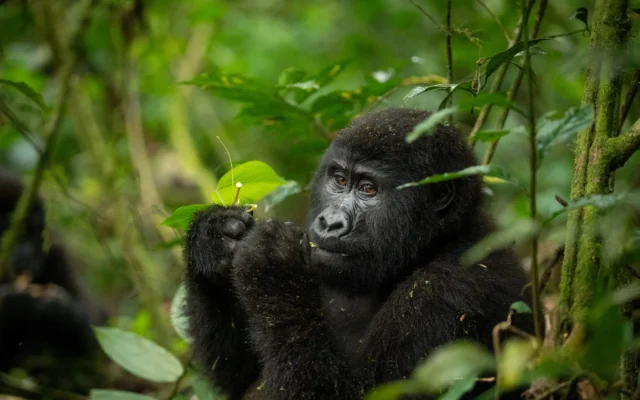
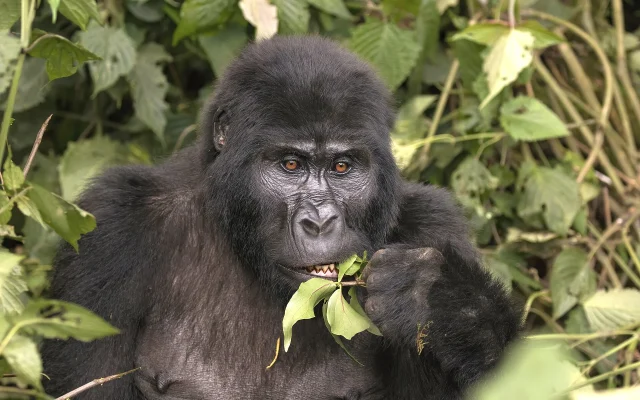
Travelers flying NBO to Entebbe or Kigali after Kenya savannah should align Uganda or Rwanda gorilla permit dates with flight connections. Dry months simplify overland border crossings if combining road routes; permit availability sells out independently of Kenya seasons — secure gorilla dates before finalising Mara peak-season flights.
Month-by-month snapshot
January–February: Hot, dry, excellent general game viewing; busy safari season; book early.
March–May: Long rains, lush landscapes, flexible city days; slower Mara road transfers possible.
June: Transition toward dry season; strong safari conditions building.
July–October: Peak dry season and migration window; highest lodge and flight demand.
November: Short rains; quieter at times; afternoon showers in city.
December: Holiday demand, dry weather returning; advance booking essential.
For transport detail, see our Nairobi how to get there guide. Urban birding notes sit on bird watching.