Ol Pejeta Conservancy is central Kenya’s flagship rhino sanctuary — a fenced Laikipia wilderness where more than one hundred eastern black rhinos graze open plains beneath Mount Kenya, where the world’s last two northern white rhinos live under 24-hour protection, and where a pioneering private conservancy model channels every tourism dollar directly into anti-poaching, community programmes, and species recovery science.
For travellers planning authentic Kenya wildlife safaris, Ol Pejeta delivers something no national park can replicate: among the continent’s most reliable rhino encounters, poignant northern white rhino education at the Endangered Species Enclosure, Big Five game drives across compact terrain, and Sweetwaters Chimpanzee Sanctuary — Kenya’s only chimpanzee refuge. Night drives, walking safaris, lion tracking, and rhino tracking add depth beyond standard vehicle-based viewing.
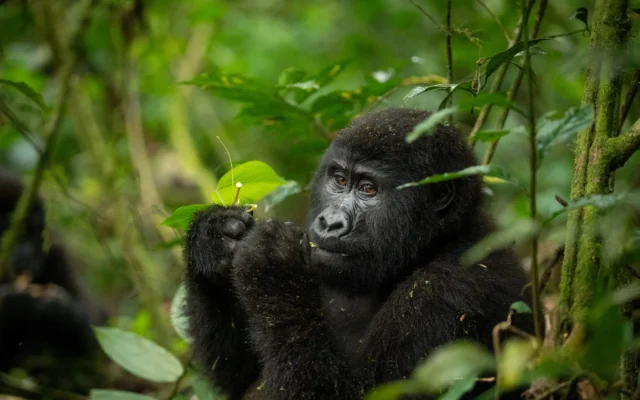
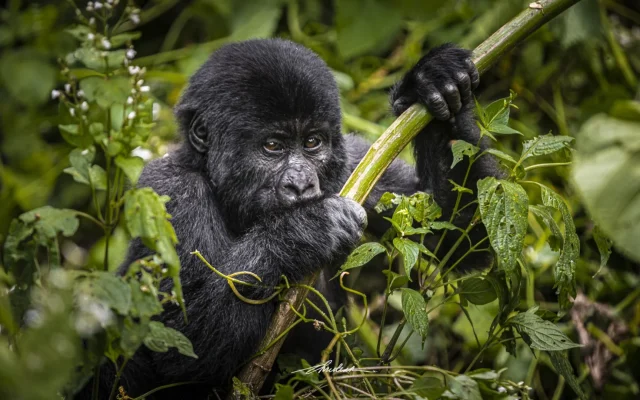
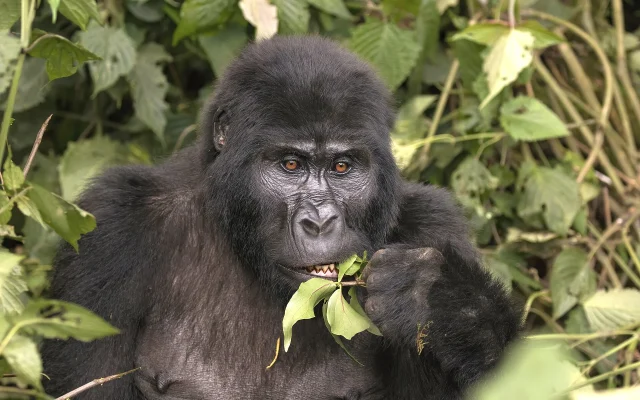
Whether you are routing north from Nairobi toward Samburu National Reserve, building a Laikipia conservancy circuit, or designing a broader East Africa journey combining savannah wildlife with gorilla trekking in Bwindi Impenetrable National Park or Volcanoes National Park, Ol Pejeta deserves a central place on any rhino-focused Kenya itinerary.
This destination combines naturally with Samburu National Reserve, Mount Kenya National Park, Aberdare National Park, and Laikipia Plateau in a well-planned central Kenya safari route.
From dawn rhino encounters on golden grassland to guided visits with the last northern white rhinos on Earth, from Sweetwaters chimp walks to night drives revealing aardvarks and bush babies, Ol Pejeta safaris deliver conservation storytelling as powerful as any wildlife sighting in East Africa.
Quick Facts About Ol Pejeta Conservancy
| Feature | Details |
|---|---|
| Location | Laikipia County, central Kenya — west of Nanyuki, on the equator beneath Mount Kenya |
| Established | 2004 (Ol Pejeta Conservancy Ltd, not-for-profit) |
| Size | Approximately 360 square kilometres (90,000 acres), perimeter fenced |
| Management | Ol Pejeta Conservancy Ltd — private not-for-profit; distinct from KWS national parks |
| Main Attractions | Black rhino sanctuary, northern white rhinos, Big Five, Sweetwaters chimps, conservancy activities |
| Conservation Model | Fenced private conservancy; tourism revenue funds anti-poaching and community programmes |
| Best Time to Visit | Year-round; dry seasons (June–October, January–February) for visibility and Mount Kenya views |
| Major Wildlife | Black rhinos, lions, leopards, elephants, buffalo, reticulated giraffes, Grevy’s zebras, plains game |
| Bird Species | 500+ species recorded |
| Nearest Gateway | Nanyuki (approximately 17 km to main gate); Nairobi (approximately 200 km / 3–4 hours by road) |
| Flight Access | Nanyuki airstrip — scheduled and charter flights from Wilson Airport (Nairobi) |
Overview of Ol Pejeta Conservancy
Ol Pejeta Conservancy occupies a former colonial cattle ranch on the Laikipia Plateau — land with a layered history from settler agriculture through corporate ranching to one of Africa’s most celebrated conservation success stories. Unlike Kenya’s national parks administered by the Kenya Wildlife Service (KWS), Ol Pejeta operates as a private not-for-profit conservancy where Ol Pejeta Conservancy Ltd manages wildlife, tourism, and community investment under a fenced security model designed to protect endangered rhinos at scale.
Located on the equator in central Kenya with Mount Kenya’s peaks visible to the east, the conservancy protects approximately 360 square kilometres of grassland, acacia woodland, and riverine bush along tributaries of the Ewaso Nyiro system. The perimeter fence — controversial in open-ecosystem philosophy but essential for rhino recovery — enables 24-hour monitoring, rapid veterinary response, and the highest density of eastern black rhinos in East and Central Africa.

For safari travellers, Ol Pejeta safaris centre on rhino encounters that feel almost routine in their reliability — a stark contrast to the patient searching required in most unfenced parks. Lions, leopards, elephants, and buffalo complete the Big Five profile. Reticulated giraffes and Grevy’s zebras add northern Kenya character to the species list. And beyond wild game, the conservancy hosts global conservation icons: Najin and Fatu, the last northern white rhinos in existence, and rescued chimpanzees at Sweetwaters whose stories connect visitors to bushmeat trade realities across Central Africa.
Ol Pejeta sits within the broader Laikipia Plateau — a region where community conservancies, private ranches, and tourism partnerships have made central Kenya a global laboratory for land-use models balancing livestock, wildlife, and human livelihoods. Understanding Ol Pejeta’s place in this landscape deepens appreciation for why Laikipia safaris feel different from southern Kenya’s migration-focused reserves.
The conservancy is best understood through its major zones and signature experiences.
Black Rhino Sanctuary
The heart of Ol Pejeta’s identity — open plains and woodland where eastern black rhinos graze in numbers impossible elsewhere. Ranger-guided rhino tracking adds individual animal context and anti-poaching insight.
Endangered Species Enclosure
A protected zone housing Najin and Fatu — the world’s last northern white rhinos — alongside other rare ungulates. Guided visits explain subspecies extinction, IVF research, and the conservancy’s global conservation partnerships.
Sweetwaters Chimpanzee Sanctuary
Kenya’s only chimpanzee refuge, operated with Jane Goodall Institute support. Rescued individuals live in a large naturalistic enclosure; visitors walk the perimeter with guides who explain each chimp’s history.
Central Plains & Woodlands
Classic Laikipia game-drive country where Big Five species, plains game, and raptors thrive across acacia-dotted grassland with Mount Kenya as constant backdrop.
Ol Pejeta Conservancy integrates beautifully into broader East Africa itineraries. Travellers often combine Ol Pejeta with Samburu for northern specialist species, Mount Kenya for alpine trekking, or fly onward to Entebbe or Kigali for gorilla trekking in Uganda and Rwanda.
Why Visit Ol Pejeta Conservancy?
Ol Pejeta earns its reputation through rhino conservation depth, conservancy-model innovation, and itinerary efficiency that few Kenyan destinations can match.
East Africa’s Premier Rhino Sanctuary
More than one hundred eastern black rhinos within a fenced sanctuary deliver sightings among the most reliable on the continent — often within minutes of departing camp.
The Last Northern White Rhinos
Standing before Najin and Fatu — the final representatives of their subspecies — is among the most moving conservation encounters in world travel, with ongoing science attempting to save the lineage through assisted reproduction.
Private Conservancy Advantages
Night drives, walking safaris, lion tracking with collar data, cycling on designated routes, and horse riding — activities restricted or unavailable in most KWS national parks.
Big Five in Compact Terrain
Lions, leopards, elephants, buffalo, and rhinos across 360 square kilometres mean efficient game drives without the vast distances required in Mara or Tsavo ecosystems.
Sweetwaters Chimpanzees
Kenya’s only chimpanzee sanctuary adds primate conservation depth unavailable at any other Kenyan wildlife destination.
Central Kenya Circuit Anchor
Logical positioning between Nairobi and Samburu, beside Mount Kenya and Aberdare highlands, makes Ol Pejeta the natural rhino centrepiece of Laikipia itineraries.
Top Things to Do in Ol Pejeta Conservancy
Ol Pejeta safaris centre on rhino-focused game drives, Endangered Species Enclosure visits, and Sweetwaters chimp walks — complemented by night drives, walking safaris, and specialist tracking experiences that define the private conservancy advantage.
Morning and afternoon game drives reveal black rhinos on open plains, lion prides in acacia woodland, elephants at riverine zones, and reticulated giraffes browsing canopy leaves with Mount Kenya behind. Ranger-led rhino tracking and lion tracking add scientific context beyond standard wildlife viewing.
Travellers with extra time often combine Ol Pejeta with Samburu extensions, Nairobi city stops, or cross-border routes linking central Kenya with gorilla trekking in Bwindi or Volcanoes National Park.
Game Drives & Rhino Viewing
Morning and afternoon wildlife safaris with exceptional black rhino reliability across Laikipia plains.
Explore Ol Pejeta Wildlife & Game Drives
Northern White Rhino Encounter
Guided visits to the Endangered Species Enclosure with Najin and Fatu — the last of their subspecies.
Sweetwaters Chimpanzee Sanctuary
Walk the enclosure perimeter with guides and meet rescued chimpanzees at Kenya’s only chimp refuge.
Rhino & Lion Tracking
Join rangers on specialist tracking excursions using monitoring data for deeper conservation insight.
Night Drives & Walking Safaris
Experience nocturnal wildlife and guided bush walks permitted within the private conservancy model.
Bird Watching
Discover 500+ species from secretary birds and bustards to raptors and riverine kingfishers.
Explore Ol Pejeta Bird Watching
Canine Anti-Poaching Unit
Learn how Ol Pejeta’s dog unit supports ranger operations — a behind-the-scenes conservation experience.
Learn more about things to do in Ol Pejeta Conservancy
Black Rhino Sanctuary at Ol Pejeta
The Ol Pejeta black rhino sanctuary represents one of Africa’s most successful endangered species recoveries. Eastern black rhinos — critically endangered across their range — thrive here in numbers exceeding one hundred individuals, protected by perimeter fencing, 24-hour ranger patrols, canine units, and veterinary teams that respond to injuries within hours.
For visitors, the sanctuary experience is immediate. Unlike unfenced parks where rhino searching can consume entire game drives, Ol Pejeta’s rhinos graze openly across plains and woodland edges throughout daylight hours. Many guests encounter multiple individuals on a single drive — mothers with calves, territorial bulls, and sub-adults learning range boundaries.
Dedicated rhino tracking excursions with armed rangers provide deeper context: individual identification, territory mapping, and the daily reality of protecting animals targeted by international poaching networks. Visitors may also meet Baraka, a blind black rhino in an educational enclosure where close observation supports awareness campaigns for visitors who want tactile connection with the species.
Understanding the fenced sanctuary model is essential. Critics note that fences alter natural migration patterns; proponents point to rhino population growth impossible in open systems during the poaching crisis. Ol Pejeta’s data supports the latter argument — and tourism revenue funds the operation.
Northern White Rhinos & Endangered Species Enclosure
Ol Pejeta holds a place in global conservation history as home to the world’s last northern white rhinos. Following the death of Sudan — the last male — in 2018, Najin and Fatu remain the final representatives of the subspecies. Both live within the Endangered Species Enclosure, a protected zone where guided visits explain the tragedy of subspecies loss and the ambitious science attempting recovery through IVF, egg collection, and surrogate southern white rhino programmes.
Standing metres from animals whose kind has been eliminated from the wild is profoundly moving. Guides translate complex reproductive science into accessible narrative, connecting visitors to international partnerships spanning Kenya, Europe, and the United States. This is not entertainment — it is education with existential stakes.
The enclosure also houses other rare ungulates including Grevy’s zebras, providing additional context for Laikipia’s broader endangered species mandate beyond rhinos alone.
Sweetwaters Chimpanzee Sanctuary
Sweetwaters Chimpanzee Sanctuary is Kenya’s only facility for rescued chimpanzees — individuals confiscated from bushmeat markets, illegal pet trade, or conflict zones across Central and East Africa who cannot be returned to the wild. Operated in partnership with the Jane Goodall Institute, the sanctuary houses chimps in a large naturalistic enclosure spanning riverine forest and open ground.
Guided walks along the perimeter deliver close viewing and individual chimp stories — where each animal came from, what trauma they survived, and how sanctuary life supports their wellbeing. For visitors arriving primarily for rhinos, Sweetwaters adds primate conservation depth and reminds travellers that East African conservation extends far beyond savannah megafauna.
Allow 60–90 minutes for a meaningful Sweetwaters visit alongside game drives. Morning walks coincide with chimp activity peaks.
The Ol Pejeta Conservancy Model
Ol Pejeta exemplifies the Kenya conservancy model at its most ambitious. Unlike KWS national parks where entry fees flow to government wildlife services, Ol Pejeta’s tourism revenue funds a vertically integrated conservation operation: ranger salaries, canine anti-poaching units, veterinary laboratories, community health clinics, school programmes, and livestock integration projects with neighbouring landowners.
Key distinctions from national parks include:
- Fenced perimeter — enabling intensive rhino protection at population scale
- Private management — Ol Pejeta Conservancy Ltd, not KWS administration
- Activity flexibility — night drives, walks, cycling, and horse riding where permitted
- Separate fee structure — conservancy charges distinct from KWS park tariffs
- Community integration — employment, education, and health programmes for surrounding communities
Laikipia’s broader conservancy landscape — including neighbouring community and private reserves across the Laikipia Plateau — has influenced conservation policy across East Africa. Visitors who understand the model appreciate why conservancy safaris cost differently from public park entry, and why Ol Pejeta punches above its acreage in conservation outcomes.
Wildlife in Ol Pejeta Conservancy
Ol Pejeta wildlife extends well beyond rhinos. Healthy predator populations, substantial elephant and buffalo herds, and northern Kenya specialist herbivores create a complete safari ecosystem within fenced boundaries.
Predators
Lions occur in healthy numbers across grassland and woodland zones — specialist lion tracking excursions use collar data to find prides efficiently. Leopards inhabit riverine acacia corridors. Spotted hyenas and jackals scavenge and hunt throughout the conservancy. Cheetahs occur in lower densities than Mara grasslands but reward patient searching.
Herbivores
Reticulated giraffes — the northern Kenya subspecies with distinctive coat patterning — browse acacia canopies. Plains and Grevy’s zebras graze open country. Impalas, gazelles, hartebeest, eland, oryx, and waterbuck complete the prey base sustaining predators.
Big Five Summary
Rhinos dominate the narrative, but lions, leopards, elephants, and buffalo deliver genuine Big Five coverage — a rare combination with rhino reliability this exceptional.
Read full Ol Pejeta wildlife guide
Bird Watching in Ol Pejeta Conservancy
With more than 500 bird species recorded, Ol Pejeta bird watching rewards specialists and general safari travellers on standard game drives. Secretary birds, kori bustards, martial eagles, lilac-breasted rollers, and grey crowned cranes provide immediate visual rewards without separate birding permits.
Laikipia’s position between lowland savannah and Mount Kenya highlands creates avian diversity spanning grassland, woodland, and riverine specialists. Palearctic migrants augment lists from November through April.
Read full Ol Pejeta bird watching guide
Best Time to Visit Ol Pejeta Conservancy
The best time to visit Ol Pejeta depends on whether rhino photography, Mount Kenya views, birding, or green-season value matters most. Rhino viewing excels year-round within the sanctuary model.
Dry Season (June to October & January to February)
Shorter grass, clearer Mount Kenya views, and classic safari light. Peak Kenya travel season — book lodges in Nanyuki and Laikipia ahead.
Green Season (March to May & November to December)
Lush plains, breeding birds, migratory arrivals, and lower lodge rates. Rhino and Big Five viewing remain reliable throughout.
Read full best time to visit guide
How to Get to Ol Pejeta Conservancy
Reaching Ol Pejeta Conservancy is straightforward via road from Nairobi through Nanyuki or by scheduled and charter flights to Nanyuki airstrip.
By Road from Nairobi
Road transfers take approximately three to four hours on tarmac via Thika and Nanyuki approaches. Most safari packages include private 4×4 vehicles with driver-guides handling conservancy fee payment and gate coordination.
By Air
Flights from Wilson Airport (Nairobi) to Nanyuki airstrip take under an hour. Ground transfers to the conservancy main gate require 30–45 minutes.
Conservancy Fees
Entry and activity fees are set by Ol Pejeta Conservancy Ltd — separate from KWS national park tariffs. Licensed operators typically include fees in packages. Confirm current schedules when budgeting.
Where to Stay at Ol Pejeta Conservancy
Ol Pejeta accommodation spans luxury safari lodges, tented camps, and mid-range options both inside the conservancy fence and in nearby Nanyuki town. Inside-conservancy properties minimise gate transfer times and maximise dawn drive opportunities.
Inside the Conservancy
Lodges and camps within the fence offer direct access to game areas, night drives, and walking safaris — the full conservancy experience.
Nanyuki Town
Nanyuki provides restaurants, supplies, and budget-to-mid-range hotels for travellers who accept short daily gate transfers.
Laikipia Circuit
Neighbouring conservancies across the plateau offer complementary stays for travellers exploring multiple Laikipia properties on one itinerary.
Book ahead during July–August and Christmas peaks. Green-season travel often offers better availability and promotional rates.
Where to stay in Ol Pejeta Conservancy
Ol Pejeta Safari Tours
Ol Pejeta safari tours suit rhino enthusiasts, first-time Kenya visitors, families, conservation-focused travellers, and multi-country East Africa itineraries.
2–3 Day Ol Pejeta Safari
A compact Nairobi–Ol Pejeta–Nairobi loop with rhino drives, northern white rhino visit, and Sweetwaters chimps — ideal for short Kenya add-ons.
Explore Ol Pejeta Safari Packages
4–5 Day Central Kenya Circuit
Combine Ol Pejeta with Samburu and Mount Kenya for northern specialist species, rhino sanctuary depth, and highland scenery.
Laikipia Conservancy Explorer
Link Ol Pejeta with neighbouring Laikipia properties for multi-conservancy experiences showcasing Kenya’s private conservation landscape.
Kenya Highlights with Rhino Focus
Pair Ol Pejeta with Lake Nakuru for dual rhino sanctuaries, Samburu for northern species, and Nairobi gateway logistics.
East Africa Gorilla & Rhino Combo
Pair Ol Pejeta rhino experiences with mountain gorilla trekking in Bwindi Impenetrable National Park (Uganda) or Volcanoes National Park (Rwanda).
Ol Pejeta Conservancy FAQs
- Is Ol Pejeta Conservancy worth visiting?
-
Absolutely. Ol Pejeta Conservancy is among Kenya’s most rewarding rhino destinations, offering reliable black rhino viewing, the world’s last northern white rhinos, Big Five game drives, Sweetwaters chimpanzees, and a model private conservancy experience on central Kenya safari routes.
- Can you see rhinos at Ol Pejeta Conservancy?
-
Yes. Ol Pejeta hosts the largest black rhino sanctuary in East and Central Africa, with sightings among the most reliable on the continent. Northern white rhinos Najin and Fatu live in the Endangered Species Enclosure for guided visits.
- What is the difference between Ol Pejeta and a Kenyan national park?
-
Ol Pejeta is a private not-for-profit conservancy with its own fees, fenced perimeter, and management by Ol Pejeta Conservancy Ltd — unlike KWS-administered national parks such as Amboseli or Lake Nakuru. Tourism revenue funds conservation directly.
- How many days do you need at Ol Pejeta?
-
Two nights (three days) is ideal for rhino drives, northern white rhino enclosure visit, Sweetwaters chimps, and a night drive or walking safari. One night works on Nairobi–Samburu transit routes.
- How do I get to Ol Pejeta from Nairobi?
-
Road transfers take approximately three to four hours via Nanyuki on tarmac. Scheduled and charter flights to Nanyuki airstrip from Wilson Airport take under an hour airborne, plus a short ground transfer to the conservancy gate.
- Can you see chimpanzees at Ol Pejeta?
-
Yes. Sweetwaters Chimpanzee Sanctuary — Kenya’s only chimpanzee refuge — houses rescued chimps in a large enclosure with guided walking visits along the perimeter.
- Can you see the Big Five at Ol Pejeta?
-
Yes. Lions, leopards, elephants, buffalo, and rhinos all occur within the conservancy. Rhino viewing is especially reliable compared with most Kenyan destinations.
- Can I combine Ol Pejeta with Samburu or Mount Kenya?
-
Yes. Ol Pejeta pairs naturally with Samburu National Reserve for northern specialist species and with Mount Kenya National Park for highland trekking on central Kenya circuits from Nairobi.
- Are night drives allowed at Ol Pejeta?
-
Yes. As a private conservancy, Ol Pejeta permits night drives for guests at participating lodges — a major advantage over most KWS national parks where night driving is restricted.
- Is Ol Pejeta safe for safari travellers?
-
Yes. The conservancy is professionally managed with strong anti-poaching infrastructure and is visited safely through licensed operators and established Laikipia lodges. Follow guide instructions around wildlife and fenced enclosures at all times.
Nearby Destinations to Combine with Ol Pejeta Conservancy
One of the greatest strengths of Ol Pejeta Conservancy is its position within central Kenya’s safari network — connecting logically to Samburu’s northern specialists, Mount Kenya’s alpine landscapes, Aberdare forests, and Nairobi gateway services.
Samburu National Reserve
Samburu continues the northern Kenya safari story beyond Ol Pejeta — reticulated giraffes, Grevy's zebras, Beisa oryx, and arid-zone predators on a logical overland route via Isiolo.
Mount Kenya National Park
Mount Kenya's alpine peaks rise directly above Ol Pejeta — ideal for combining Laikipia rhino safaris with highland trekking, forest scenery, and equatorial mountain photography.
Aberdare National Park
Aberdare's misty forests and moorlands complement Ol Pejeta's open Laikipia plains — forest elephants, waterfalls, and highland lodges on classic central Kenya highland circuits.
Nairobi
Kenya's capital is the main gateway for Ol Pejeta road and air transfers — ideal for arrival logistics and pre- or post-safari extensions before heading north to Laikipia.
Laikipia Plateau
Ol Pejeta sits at the heart of the Laikipia Plateau — a region of community and private conservancies pioneering Kenya's most innovative wildlife tourism and land-management models.
Lake Nakuru National Park
Lake Nakuru adds KWS-managed Rift Valley rhino sanctuary, flamingo-lined shores, and compact game drives — a strong rhino-double pairing with Ol Pejeta on broader Kenya circuits.
Nearby destinations to combine
Plan Your Ol Pejeta Safari
Ol Pejeta Conservancy remains one of Africa’s defining rhino destinations — a Laikipia sanctuary where black rhinos graze in numbers that astonish first-time visitors, where the last northern white rhinos carry the weight of subspecies survival, and where a private conservancy model proves that tourism can fund conservation at the highest level.
From dawn rhino encounters on plains beneath Mount Kenya to Sweetwaters chimp walks and night drives revealing creatures rarely seen by day, every hour at Ol Pejeta connects travellers to East Africa’s most urgent and hopeful conservation stories.
Our expertly crafted Kenya safari tours and East Africa combinations can be customized to match your travel dates, rhino priorities, conservancy interests, and lodge preferences.
Whether you prefer a short Nairobi–Ol Pejeta escape, a central Kenya circuit through Samburu and Mount Kenya, or a rhino-and-gorilla combination linking Ol Pejeta with Bwindi or Volcanoes, we can help design the ideal safari experience.