Best Time to Visit Ol Pejeta Conservancy
The best time to visit Ol Pejeta depends on whether rhino reliability, predator activity, birding, Mount Kenya views, or lower lodge rates matter most. Unlike migration-dependent destinations, Ol Pejeta's fenced sanctuary wildlife and compact scale make it productive in every month — though Laikipia rainfall patterns influence grass cover and track conditions.
Dry Season (June to October & January to February)
Dry months shorten grass, improve visibility for rhino and predator searching, and deliver classic safari light with Mount Kenya often visible above cloud line. Wildlife concentrates at remaining water sources along riverine zones. These windows align with peak Kenya safari travel — lodges in Nanyuki and Laikipia fill during July–August and Christmas holidays. Book ahead when combining Ol Pejeta with Samburu National Reserve or Maasai Mara National Reserve on broader circuits.
Short Rains (November to December)
Brief rains green Laikipia plains, soften dust, and stimulate bird activity including Palearctic migrant arrivals. Wildlife remains highly visible; rhino encounters stay reliable within the sanctuary. Cloud build-up can add dramatic skies for photography with Mount Kenya as backdrop — though summit views become less predictable.
Long Rains (March to May)
Heavier rainfall transforms grassland into lush scenery with excellent breeding-bird activity. Some internal tracks soften — 4×4 vehicles remain standard. Rhino, Big Five, and chimpanzee sanctuary visits continue reliably. Green-season travellers often enjoy lower lodge rates and fewer vehicles at popular sightings.
Rhino & Conservation Planning
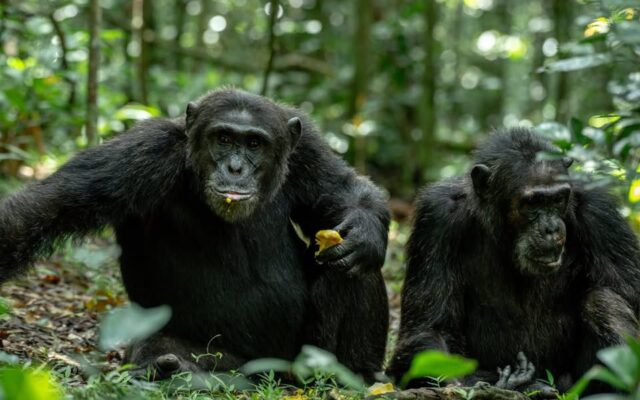
Black rhino viewing is excellent year-round — the sanctuary's fenced model and intensive monitoring mean rhino encounters do not depend on seasonal migration patterns. Northern white rhino enclosure visits operate throughout the year with advance booking. Sweetwaters Chimpanzee Sanctuary walks run in all seasons.
Month-by-Month Overview
- January–February — hot, dry, strong visibility; clear Mount Kenya mornings
- March–May — long rains; lush plains; superb birding; softer tracks
- June–August — drying conditions; peak safari season; reliable mammal viewing
- September–October — continued dry-season excellence; good circuit weather
- November–December — short rains; green scenery; migrants arrive; moderate crowds
Planning Tips by Priority
Rhino & Big Five: Year-round with dawn drives; dry months slightly improve grass-level visibility.
Northern white rhinos: Enclosure visits available all year — book through lodge or conservancy office.
Birding: November–April for migrants; year-round for residents and raptors.
Mount Kenya views: Dry-season early mornings offer best summit clarity.
Central Kenya circuits: Ol Pejeta slots naturally between Nairobi and northern parks year-round.
Pair seasonal planning with logical routing through Nairobi, Samburu National Reserve, and Mount Kenya National Park on Laikipia and northern Kenya itineraries.
Continue planning Ol Pejeta Conservancy with Ol Pejeta wildlife, Ol Pejeta bird watching, and Ol Pejeta getting there, or read the main Ol Pejeta Conservancy destination guide.