Volcanoes National Park is Rwanda’s flagship wilderness destination — a mist-draped chain of volcanic slopes in the northern Virunga Mountains where mountain gorillas, golden monkeys, and rare Albertine Rift wildlife survive in bamboo forest, hagenia woodland, and alpine moorland. For travelers seeking one of Africa’s most profound primate encounters, few places rival the combination of conservation pedigree, trekking infrastructure, and dramatic scenery found here.
Covering roughly 160 square kilometers in northwestern Rwanda, the park forms the Rwandan sector of the transboundary Virunga Conservation Area, alongside Virunga National Park in the Democratic Republic of Congo and Uganda’s Mgahinga Gorilla National Park. Five volcanoes rise within the park boundary — Karisimbi, Bisoke, Muhabura, Gahinga, and Sabyinyo — creating a skyline of extinct and dormant peaks that frame every trek.
Whether you are planning a focused two-night gorilla safari from Kigali, a luxury stay near Bisate, or a broader Rwanda circuit combining Nyungwe National Park and Akagera National Park, Volcanoes National Park deserves careful planning around permits, lodge location, and fitness — but rewards that effort with encounters regularly described as life-changing.
This destination also pairs naturally with Bwindi Impenetrable National Park for travelers comparing or combining Uganda and Rwanda gorilla experiences, and with gateway towns Musanze and briefing hub Kinigi for practical logistics.
Quick Facts About Volcanoes National Park
| Feature | Details |
|---|---|
| Location | Northern Rwanda · Musanze District · Virunga Mountains |
| Established | 1925 (among Africa’s earliest protected areas for mountain gorillas) |
| Size | Approximately 160 square kilometers |
| Main Attraction | Mountain gorilla trekking, golden monkey tracking, volcano hikes |
| Volcanoes | Karisimbi, Bisoke, Muhabura, Gahinga, Sabyinyo |
| Gorilla Permit (RDB) | USD 1,500 per person (foreign non-residents) |
| Daily Gorilla Permits | Typically 80 permits (8 visitors per habituated family per day) |
| Headquarters | Kinigi — briefings from approximately 7:00 AM |
| Best Time to Visit | June to September & December to February (drier trekking) |
| Major Wildlife | Mountain gorillas, golden monkeys, buffalo, elephant, duiker, forest birds |
| Bird Species | 178–200+ recorded species · Albertine Rift endemics |
| Nearest Gateway | Kigali (2–3 hours by road) |
| Lodge Base | Musanze, Kinigi area, Bisate slopes |
Overview of Volcanoes National Park
Volcanoes National Park — locally Parc National des Volcans — is where Rwanda’s identity as a conservation leader meets accessible high-end tourism. The park protects a significant share of the world’s remaining mountain gorillas (global population estimated above 1,000 individuals), alongside the endemic golden monkey subspecies found only in the Virunga Massif and a handful of other Central African forests.
The landscape is unlike East Africa’s open savannah parks. Trekkers climb through layered vegetation zones: cultivated farmland at the park edge, dense bamboo stands, hagenia and hypericum forest, and — on volcano summits — Afro-alpine moorland with giant lobelias and senecios. Mist, cool temperatures, and steep trails define the experience. Elevation across activities ranges from roughly 2,400 meters at forest entry points to above 4,500 meters on Karisimbi multi-day climbs.

Conservation history runs deep. The park’s origins trace to 1925, when colonial authorities created protected space for gorillas in the Virungas — making this among the continent’s earliest intentional gorilla conservation zones. In the 1960s and 1970s, primatologist Dian Fossey established the Karisoke Research Center between Karisimbi and Bisoke, transforming scientific understanding of gorilla behavior and anti-poaching practice. Her legacy endures in habituated families, ranger culture, and the optional hike to the Dian Fossey Grave memorial.
Today the Rwanda Development Board (RDB) manages tourism and permits. Rwanda has invested heavily in roads, lodge standards, community revenue-sharing, and security — factors that explain both the premium permit price and the park’s reputation for well-organized trekking. The reserve is also recognized within UNESCO’s Man and the Biosphere Programme as the Volcans Biosphere Reserve, underscoring international significance beyond gorilla tourism alone.
Geographically, the park sits in Musanze District (historically Ruhengeri), about 105–116 kilometers northwest of Kigali along paved highways. Most visitors overnight in Musanze town or forest-edge lodges, then transfer to Kinigi headquarters on trek morning. Unlike remote Congo or multi-day Uganda forest approaches, Volcanoes is remarkably reachable for a capital-based short safari — one reason Kigali–gorilla–Kigali long weekends are popular with business travelers and conference delegates.
Wildlife beyond primates includes buffalo, spotted hyena, bushbuck, black-fronted duiker, and relict elephant populations rarely seen by tourists. Birdlife exceeds 178 recorded species with Albertine Rift specialties. The park is not a Big Five drive destination; its value is intimate forest encounters, volcanic scenery, and conservation storytelling at global scale.
Why Visit Volcanoes National Park?
Rwanda competes with Uganda and the DRC for gorilla tourism, but Volcanoes National Park occupies a distinct niche: premium access, political stability, efficient logistics, and shorter typical trekking distances compared with some Bwindi sectors.
Mountain Gorilla Trekking at Global Significance
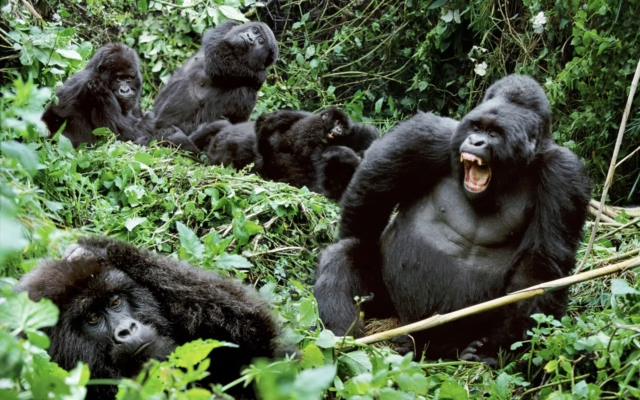
The defining reason to visit is mountain gorilla trekking. Spending one regulated hour with a habituated family — often meters from a silverback, juveniles tumbling through bamboo, mothers nursing infants — ranks among the world’s most emotionally intense wildlife experiences. Rwanda’s permit fee of USD 1,500 reflects scarcity, rigorous protection costs, and high-demand tourism management, not a casual day hike.
Each day, a limited number of permits are issued for roughly ten habituated gorilla families. Group size caps at eight trekkers per family. Trek difficulty varies by family location: some groups are reached in under an hour; others require three or four hours of steep climbing. Rangers assign families partly based on guest fitness stated at briefing — honesty about mobility helps avoid miserable mornings.
Accessibility from Kigali
Few gorilla parks sit within a two- to three-hour drive of an international airport. Fly into Kigali on an evening flight, transfer north next morning, trek the following day, and return to the capital — a viable pattern impossible in most Congo or deep Bwindi routings. Paved roads and professional transfer fleets support luxury, mid-range, and organized group travel.
Golden Monkeys and Volcano Adventures
Gorillas dominate marketing, but golden monkey tracking (separate permit, typically around USD 100) offers lively, photogenic primate viewing in bamboo zones. Volcano hikes to Mount Bisoke crater lake or multi-day Karisimbi expeditions add adventure beyond primates. These activities spread visitor pressure and reward travelers who stay three or more nights.
Conservation and Community Impact
Rwanda channels substantial permit revenue into protection, veterinary monitoring, and community projects around Musanze. Tourism employs guides, porters, lodge staff, and artisans. Visiting responsibly — using licensed operators, hiring porters, respecting distance rules — directly supports a species that was critically endangered within living memory.
Natural Fit for Broader Rwanda Safaris
Volcanoes anchors classic Rwanda circuits: chimpanzee and canopy forest at Nyungwe, savannah wildlife at Akagera, and cultural immersion in Kigali. RDB has offered promotional permit discounts when combining gorilla trekking with other Rwandan parks in low season — worth checking when planning multi-park itineraries.
Top Things to Do in Volcanoes National Park
Activities are permit-based and ranger-led. Independent hiking without authorization is not permitted inside the protected area.
Mountain Gorilla Trekking
The core experience. After Kinigi briefing, trackers lead groups through forest to a habituated family. Treks last from 30 minutes to several hours each way. One hour with gorillas once contact is made. Minimum age 15. Permits book through RDB or licensed operators months ahead for peak season.
Golden Monkey Tracking
Fast-moving troops of golden monkeys inhabit bamboo slopes. Easier walking than many gorilla treks, excellent for photography and second-morning activities. Ideal add-on when staying multiple nights near Kinigi or Musanze.
Dian Fossey Tomb Hike
A full-day cultural and conservation hike to Karisoke and Fossey’s gravesite, tracing her research story through mossy forest. Physically demanding but deeply meaningful for visitors interested in gorilla history beyond the hour-long encounter.
Volcano Hiking
Mount Bisoke day hike to a crater lake on the summit rim is the most popular volcano trek. Mount Karisimbi requires two days with camping — Rwanda’s highest point at 4,507 meters. Muhabura, Gahinga, and Sabyinyo hikes involve cross-border logistics with Uganda in some cases. Each hike needs separate permits and guide arrangements through RDB.
Guided Nature Walks and Birding
Shorter forest walks and birding excursions suit rest days between primate treks. Albertine Rift endemics reward patient mornings even for non-specialists.
Cultural Visits around Musanze
Iby’Iwacu Cultural Village and community cooperatives near the park offer dance, craft, and storytelling — best scheduled on non-trek afternoons when legs need recovery.
Learn more about things to do in Volcanoes
Mountain Gorilla Trekking in Volcanoes National Park
Understanding trek mechanics reduces anxiety and improves outcomes. Your permit date is fixed; start time is not leisurely. Arrive at Kinigi early — briefing around 7:00 AM, departure shortly after.
Rangers explain rules: maintain distance (typically seven meters, though gorillas may approach closer), no eating near animals, no flash photography, voices low, sickness protocols strict because gorillas share human disease susceptibility. COVID-era masking rules may apply when mandated by authorities.
Porters ($15–20 tip range, hire at briefing) carry daypacks and assist on muddy slopes — valuable income for local youth and genuine help above 2,500 meters. Walking sticks are useful. Wear waterproof boots, gaiters, and layered clothing; forest temperatures feel cool but climbing generates heat.
Photography: high ISO capability helps under canopy shade. Video is permitted without flash. The hour passes quickly — shoot sparingly early, then put the camera down for pure observation.
Permit cost USD 1,500 includes park entry, ranger guides, and security. It excludes transport, lodging, porters, and tips. Cancellation and rescheduling policies are strict; travel insurance covering permit loss is prudent.
Comparing Rwanda with Uganda: Bwindi permits cost less but often involve longer drives and steeper, denser forest in several sectors. Rwanda trades higher fee for streamlined logistics — neither is “better,” but Volcanoes suits travelers prioritizing time efficiency and lodge infrastructure.
Wildlife in Volcanoes National Park
Primate diversity defines the park, but the mammal and bird lists reward curious naturalists.
Mountain Gorillas
Roughly one-third of global mountain gorillas live across the Virunga Massif; Rwanda’s sector hosts multiple habituated families with names known to trackers — Susa, Kwitonda, Agashya, and others rotate through tourism on carefully managed schedules. Family dynamics — silverback leadership, juvenile play, female transfers — mirror complex social structures studied since Fossey’s era.
Golden Monkeys
Cercopithecus mitis kandti — the golden monkey — is endemic to the Virungas. Bamboo feeding behavior concentrates troops in predictable zones, unlike wide-ranging gorillas. Their acrobatics and striking orange-gold flanks contrast with gorilla gravitas.
Other Mammals
Forest buffalo, bushbuck, black-fronted duiker, and spotted hyena occur; elephants persist in low numbers. Sightings during standard gorilla treks are uncommon — mammals here are heard in undergrowth or inferred from sign, not scanned from vehicles.
Ecological Zones
Vegetation transitions drive species distribution: bamboo for golden monkeys and gorilla feeding, hagenia woodland for birds, subalpine zones on volcano slopes for specialists. The park’s compact 160 km² packs elevational range into short horizontal distances — steep trails, rapid habitat change.
Read more about wildlife in Volcanoes
Bird Watching in Volcanoes National Park
With 178 to 200+ bird species recorded, Volcanoes is Rwanda’s premier montane birding destination after Nyungwe. Albertine Rift endemics and regional specialties include Rwenzori turaco, handsome francolin, dusky crimsonwing, Rwenzori double-collared sunbird, Archer’s robin-chat, and Lagden’s bush shrike.
Birding pairs naturally with gorilla logistics: early mornings before briefing, lodge garden walks, or dedicated guided birding on rest days. Mist and rain affect visibility — pack dry bags for optics. Serious listers often combine Volcanoes with Nyungwe’s larger forest block for complementary altitude and species mixes.
Bird watching guide for Volcanoes
Best Time to Visit Volcanoes National Park
Gorillas do not migrate seasonally — treks run year-round. Calendar choice affects mud, mist, permit scarcity, and lodge pricing.
Dry Seasons
June to September and December to February are traditionally preferred. Trails are often less saturated, Kinigi parking and briefing areas more predictable, and photography light clearer between showers. These windows sell out first — book permits three to twelve months ahead for peak months.
Rainy Seasons
March to May and October to November bring heavier daily rain, thicker mist, and slick bamboo slopes. Trekking remains possible; gorillas are found. Advantages include occasional permit availability, greener forest, and RDB low-season promotions when combined with Akagera or Nyungwe visits. Waterproof gear and fitness for muddy climbing are essential.
Altitude and Temperature
Expect cool conditions — often 10–20°C in forest, colder on volcano summits. Layers matter in every month. Rain can fall any day at these elevations.
Best time to visit Volcanoes — full guide
How to Get to Volcanoes National Park
All gorilla treks start from Kinigi headquarters; “getting to the park” means getting to Kinigi or your lodge within practical morning transfer range.
From Kigali by Road
The standard route follows paved highways northwest through rolling farmland to Musanze, then short distance to Kinigi — typically 2 to 3 hours (about 105–116 km) depending on lodge stop and traffic. Private transfers with safari operators are most common; shared minibus options exist for budget travelers. Self-drive 4×4 rental is possible for confident drivers; trek morning starts early regardless.
By Air
There is no commercial airstrip at the park gate. International visitors fly to Kigali International Airport (KGL), served by RwandAir, Ethiopian Airlines, Qatar Airways, Kenya Airways, and others. Helicopter transfers to Musanze area exist for ultra-luxury properties on select bookings — not standard for most itineraries.
From Uganda and Bwindi
Cross-border itineraries from Bwindi Impenetrable National Park via Cyanika or Gatuna border posts are popular for dual gorilla treks. East Africa visa arrangements and border timing must be planned with your operator; allow buffer hours for immigration.
On Trek Day
Lodges in Musanze or Bisate typically transfer guests to Kinigi briefing 30–60 minutes before registration. Late arrival risks permit forfeiture. Pack lunch is rarely needed for standard gorilla treks — returns are usually by early afternoon — but volcano hikes need full day provisions.
How to get to Volcanoes — routes & drive times
Where to Stay Near Volcanoes National Park
Lodge choice shapes the experience as much as permit date. Proximity to Kinigi reduces pre-dawn stress; Musanze town offers dining and ATM access at the cost of longer morning drives.
Luxury Forest Lodges
Properties such as Bisate Lodge, Singita Kwitonda, One&Only Gorilla’s Nest, and Sabyinyo Silverback Lodge deliver architect-designed villas, fine dining, spa services, and curated cultural programming. The Bisate area epitomizes Rwanda’s high-end ecotourism narrative — forest views, conservation philanthropy, and premium pricing aligned with the USD 1,500 permit tier.
Mid-Range Options
Five Volcanoes Boutique Hotel, Le Bambou Gorilla Lodge, and similar properties balance comfort, heating, and reliable transfers without ultra-luxury rates. Popular with photographers and small groups.
Budget and Musanze Town Stays
Guesthouses in Musanze — La Palme, Muhabura Hotel, and others — keep lodging costs manageable when the permit dominates budget. Expect 30–45 minute Kinigi transfers on trek mornings.
Book early for peak season regardless of tier. Confirm included transfers, heating (nights are cold), and packed breakfast availability for early departures.
Volcanoes National Park Itinerary Ideas
2-Night Gorilla Express from Kigali
Day 1: Arrive Kigali, transfer to Musanze, optional twin lakes visit. Day 2: Gorilla trek, afternoon cultural village. Day 3: Return to Kigali or fly out. Minimum viable gorilla safari for time-pressed travelers.
4-Night Rwanda Primate Circuit
Day 1: Kigali genocide memorial and city. Day 2–3: Volcanoes — gorilla trek plus golden monkeys or Bisoke hike. Day 4–5: Drive south to Nyungwe for chimpanzees and canopy walk. Combines Rwanda’s two primate flagship parks.
6–8 Night Rwanda Complete Safari
Add Akagera for savannah game drives and boat safari after Volcanoes and Nyungwe — lions, rhinos, and plains wildlife balance montane forest primates. Low-season permit discounts may apply when stacking parks.
Uganda–Rwanda Dual Gorilla Trek
Bwindi (Uganda, lower permit cost) plus Volcanoes (Rwanda, premium logistics) over 8–10 nights via Kisoro or Kigali routing — for serious primate enthusiasts comparing forest contexts and supporting transboundary Virunga conservation.
Responsible Tourism in Volcanoes National Park
Mountain gorilla tourism is conservation-dependent. Small rule violations scale badly across thousands of annual visitors.
- Book only through RDB or licensed operators; avoid informal permit brokers.
- Declare illness honestly — colds and flu can kill gorillas; treks may be postponed.
- Hire porters; tips support youth employment in Musanze communities.
- Keep seven-meter distance when possible; never touch gorillas or leave litter.
- Respect photography rules — no flash, no intrusive drone use in park airspace.
- Choose community-led cultural experiences with fair compensation.
- Combine visits with other Rwandan parks so tourism revenue spreads beyond a single morning trek.
The Dian Fossey story reminds visitors that gorilla survival was never guaranteed — it required decades of patrols, research, and political will. Today’s travelers inherit that legacy with each permitted visit.
Plan Your Volcanoes National Park Safari
Volcanoes National Park delivers Rwanda’s most iconic wildlife encounter in one of Africa’s most dramatic volcanic landscapes. Success depends on early permit booking, realistic fitness assessment, lodge proximity to Kinigi, and weather-ready gear — not on luck alone.
Whether you anchor a short trip from Kigali, extend into Nyungwe and Akagera, or pair with Bwindi gorilla trekking across the border, Volcanoes rewards planners who treat the USD 1,500 permit as the beginning of preparation — not the end.
Contact our team to secure RDB permits, coordinate transfers from Kigali or Musanze, and build a Rwanda safari that balances gorilla trekking with golden monkeys, volcano hikes, and the wider Virunga story.