
Serval FAQs and Answers — quick answers on biology, vertical pounce hunting, Queen Elizabeth and Murchison viewing, night-drive planning, and safari combinations. Explore where to see servals, behaviour, best time to visit, and safari experiences.
- What is a serval?
The serval (Leptailurus serval) is a tall, spotted African wild cat specialised for hearing rodents beneath savannah grass and striking with vertical pounces. In Uganda, servals patrol Queen Elizabeth, Murchison Falls, and Lake Mburo. Full biology on our serval facts page.
- Where can I see servals in Uganda?
Kasenyi Plains in Queen Elizabeth National Park is the premier destination. Buligi track in Murchison Falls and acacia grassland at Lake Mburo also deliver regular sightings. See our where to see servals guide for sector detail.
- How do servals hunt?
Servals locate prey with oversized ears — the largest relative to body size of any felid — then launch vertical pounces clearing two metres or more of grass. Success rates on rodents exceed 50 percent per attempt. Full detail on our serval behaviour and diet pages.
- How big is a serval?
Servals stand 54–62 cm at the shoulder yet weigh only 9–18 kg — taller and lighter than a leopard, built for grassland acoustic hunting rather than forest ambush. Long legs power the vertical pounce that defines their hunting style.
- Serval vs caracal in Uganda?
Servals prefer tall grass wetlands and spotted coats with large rounded ears. Caracals are rarer in Uganda, favour drier cover, and carry distinctive ear tufts. Servals are more frequently reported on Queen Elizabeth and Lake Mburo drives.
- What do servals eat?
Rodents comprise 80–90 percent of serval diet — vlei rats, multimammate mice, and mole-rats located by sound. Birds, frogs, and insects supplement intake. See our serval diet page for seasonal detail.
- Are servals endangered?
Globally, servals are classified Least Concern with widespread African distribution. Wetland drainage and grassland conversion are the main long-term threats. Uganda's savannah parks provide essential refuge — see our conservation page.
- When is the best time to see servals?
Dawn and dusk year-round; dry seasons (June–September and December–February) shorten grass for easier viewing. Authorised night drives extend windows in Queen Elizabeth and Lake Mburo. See best time to see servals.
- Are servals dangerous to humans?
Wild servals avoid people and retreat when disturbed. Observe from vehicles at respectful distance; do not approach on foot outside authorised walking zones. They are small predators hunting rodents, not a threat to safari visitors following standard guidance.
- Can servals be kept as pets?
Illegal and unethical — wild servals belong in ecosystems like Uganda's savannah parks, not private captivity. International exotic-pet demand threatens wild populations. Support conservation by viewing servals on licensed Uganda safaris.
- Which Uganda safaris feature serval habitat?
Any itinerary visiting Queen Elizabeth, Murchison Falls, or Lake Mburo includes serval habitat. Browse serval safaris and Uganda safari packages for routed options.
- What is the scientific name of the serval?
Leptailurus serval — the sole extant species in genus Leptailurus, family Felidae. Some authorities formerly placed it in genus Felis. East African animals show classic golden spotted coats with neck stripes.
- Do servals swim?
Servals hunt wetland edges and enter shallow water after frogs and aquatic rodents. Queen Elizabeth's grass–wetland mosaic and Murchison's Nile delta margins suit this behaviour — though servals are not aquatic specialists like otters.
- Serval vs leopard — how do they differ?
Leopards are larger, rosetted, and forest-generalists hunting by sight. Servals are grass specialists hunting rodents by sound with vertical pounces. Both occur in Queen Elizabeth but occupy different niches.
- Can I see servals on a night drive?
Yes — authorised night drives in Queen Elizabeth and Lake Mburo extend viewing into peak serval activity. Licensed operators provide spotlights and Uganda Wildlife Authority permits. Night drives rank among the highest-probability serval encounters.
- What predators compete with servals?
Lion and leopard occasionally kill servals. Spotted hyena may displace servals from carcasses. Jackal and raptors compete for rodent prey but servals occupy a distinct acoustic-hunting niche.
- Photography tips for servals?
Book dawn drives on Kasenyi Plains for warm side-lighting. Use telephoto lenses (300mm minimum) from vehicles. Scan termite mounds — servals pause frequently while acoustic scanning. Patience and distance preserve natural hunting behaviour.
- Can I combine gorilla trekking with serval safaris?
Absolutely — a typical western circuit runs Kampala → Lake Mburo (serval night drive) → Bwindi (gorillas) → Queen Elizabeth (Kasenyi dawn) → Ishasha (lions). Most 7–10 day itineraries include serval habitat on transfer days.
- What habitat do servals prefer?
Tall grassland–wetland ecotones — Kasenyi Plains, Borassus savannah, acacia grassland near seasonal wetlands. Servals need cover for stalking yet open ground for acoustic hunting. Full ecology on our habitat guide.
- How can tourists help serval conservation?
Visit Uganda's savannah parks on licensed safaris, pay official park fees, follow track rules, and choose operators supporting Uganda Wildlife Authority management. Tourism revenue funds rangers who protect grassland habitat and remove snares. More on our conservation page.
Safari packages to see Serval
Bookable itineraries below include parks and activities where you are most likely to encounter Serval in the wild.
 Best
Seller
Best
Seller
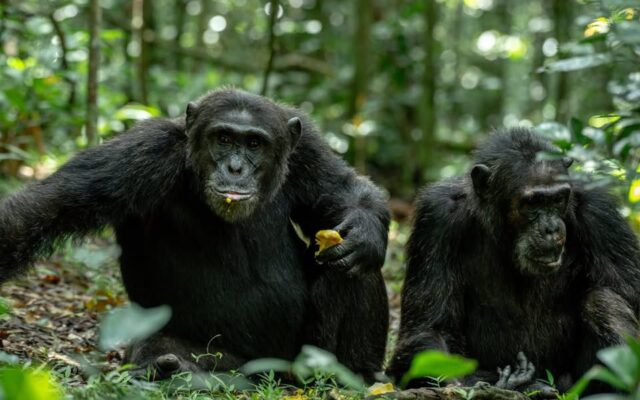
6 Days Uganda Gorillas, Chimpanzees & Wildlife Safari
You visit
Kibale Forest, Queen Elizabeth NP, Bwindi Forest, Entebbe
Primates plus plains in six days: Kibale chimps, Queen Elizabeth savannah, Bwindi gorillas and a Lake Mburo finale for zebra — the full Uganda highlight reel without rushing Kidepo or Murchison.
 Best
Seller
Best
Seller
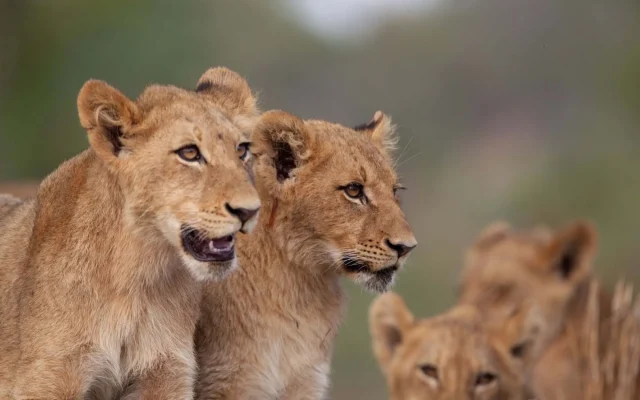
7 Day Uganda Wildlife & Gorilla
You visit
Murchison Falls, Kibale Forest, Queen Elizabeth NP, Bwindi Forest, Entebbe
Seven days with gorillas: the wildlife tour above plus Bwindi trekking on Day 6 — the single most booked private itinerary for Uganda Safari Tours guests who want chimps, savannah and gorillas in one…
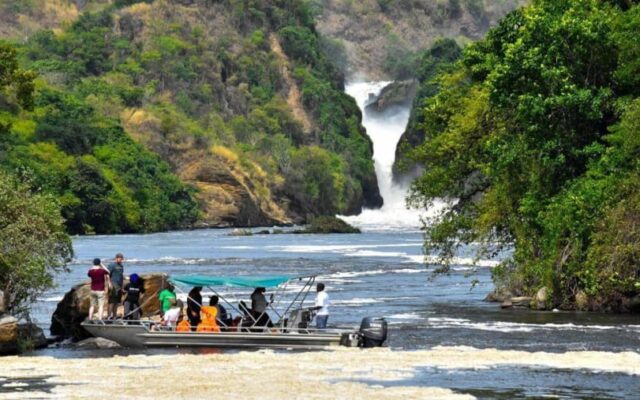
3 Day Murchison Falls Safari
You visit
Murchison Falls, Entebbe
Our classic 3-day Murchison Falls safari follows the park’s most proven circuit: dramatic falls, savannah game drives north of the Nile, and the famous boat trip where the river narrows below the casc…
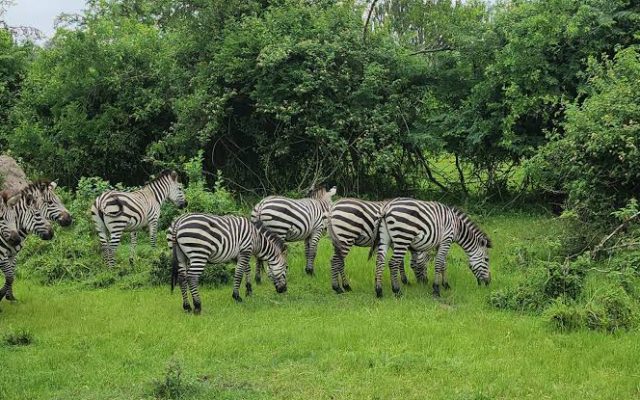
1 Day Lake Mburo Safari
You visit
Uganda Equator, Kayabwe, Lake Mburo, Kampala or Entebbe
This compact 1-day Lake Mburo safari is the closest national-park wildlife experience to Kampala and Entebbe. Lake Mburo is Uganda’s smallest savannah park but one of the most rewarding for a short tr…