
Bushbuck FAQs and Answers — quick answers on biology, forest-edge habitat, behaviour, parks, predators, and safari planning. Explore where to see bushbuck, behaviour, best time to visit, and safari experiences — or request a quote for a tailored Uganda itinerary.
- What is a bushbuck?
The bushbuck (Tragelaphus scriptus) is a medium-sized spiral-horned antelope found across sub-Saharan Africa. In Uganda it inhabits forest edges, riverine thickets, and wooded savannah nationwide — secretive, solitary, and often glimpsed at dawn on game drives or forest margins rather than on open plains.
- What is the scientific name of the bushbuck?
Tragelaphus scriptus — a member of the tragelaphine antelope tribe that includes kudu and sitatunga. Uganda falls within the range of the eastern bushbuck race, sometimes referred to as T. s. decula, though taxonomy continues to be refined across the species' wide African distribution.
- Where can I see bushbuck in Uganda?
Bushbuck occur in nearly every major park. Reliable sectors include riverine drives in Murchison Falls, forest margins in Queen Elizabeth, primate-forest ecotones in Kibale and Bwindi, and thickets in Lake Mburo. See our where to see bushbuck guide.
- What habitat do bushbuck prefer?
Bushbuck need dense cover near water — forest edges, riverine galleries, ravines, and acacia thickets. They are ecotone specialists rather than deep-forest or open-grassland animals. Full ecology on our habitat page.
- What do bushbuck eat?
Bushbuck are browsers feeding on leaves, herbs, shrubs, legumes, and seasonal fruits. Research in Queen Elizabeth recorded more than forty plant species in the diet. They may take limited grass but are not grazers like Uganda kob. More on our diet page.
- How big is a bushbuck?
Males stand roughly 65–90 cm at the shoulder and weigh 40–80 kg. Females are smaller, around 25–60 kg. Only males carry short, spiral horns that deepen with age.
- Are bushbuck solitary?
Yes — among the least social African antelopes. Adults usually forage alone or in mother–calf pairs. Temporary associations may form, but bushbuck do not form herds like kob or impala. See bushbuck behaviour.
- Why are bushbuck hard to see?
Their spotted, striped coat provides excellent camouflage in dappled woodland. When alarmed they often freeze rather than flee, blending into cover. They also shift toward dawn, dusk, and night in heavily visited areas.
- What sound does a bushbuck make?
When surprised, bushbuck give a sharp, hoarse alarm bark before bounding away. Guides and experienced trackers often hear bushbuck before they see them — a useful cue along riverine game-drive tracks.
- What predators hunt bushbuck?
Leopards are the primary predator in forest-edge habitat. Lions, spotted hyena, and crocodiles take bushbuck where ranges overlap, especially near water. Calves are most vulnerable in the first months after birth.
- Are bushbuck endangered?
Bushbuck are classified Least Concern by the IUCN and remain widespread in Uganda's protected areas. Threats include habitat loss at forest margins and illegal bushmeat poaching outside parks. Read our conservation page.
- When is the best time to see bushbuck?
Year-round, with best odds at dawn and dusk along river lines and forest edges. Dry seasons (June–September and December–February) thin riverside vegetation and improve visibility. Details on best time to see bushbuck.
- How do bushbuck differ from Uganda kob?
Uganda kob are open-savannah grazers in visible herds; bushbuck are solitary browsers of thickets and forest edges. Kob dominate Kasenyi Plains game drives; bushbuck reward quiet observation along woodland margins and rivers.
- Do bushbuck males have horns?
Only males grow horns — short, straight to slightly spiral structures used in fights over estrous females. Females are hornless and slightly smaller, with the same cryptic spotted coat pattern.
- How long do bushbuck live?
In the wild, bushbuck typically live 12–15 years, though predation, disease, and habitat quality shorten average lifespan. Females may produce a single calf annually when conditions are favourable.
- Can bushbuck swim?
Bushbuck are strong swimmers and will cross rivers to reach better browse or escape predators — a behaviour occasionally witnessed on Nile boat approaches in Murchison Falls National Park.
- Which Uganda safaris include bushbuck viewing?
Most classic itineraries visiting Murchison, Queen Elizabeth, Kibale, or Lake Mburo pass bushbuck habitat. Browse bushbuck safaris and Uganda safari packages.
- Can I see bushbuck during gorilla trekking?
Forest edges near Bwindi lodges and transfer roads through Queen Elizabeth or Lake Mburo often produce bushbuck at dawn — a common bonus on combined primate and savannah circuits.
- Do bushbuck need water daily?
Bushbuck prefer access to rivers, streams, or springs but can subsist on dew and moisture-rich browse when water is scarce — an adaptation that helps them persist in varied Uganda landscapes.
- How can tourists help bushbuck conservation?
Book through licensed operators, pay official park fees, stay on designated tracks, and choose itineraries that include diverse ecosystems — not only gorilla forests. Tourism revenue supports rangers who protect the riverine corridors bushbuck depend on.
Safari packages to see Bushbuck
Bookable itineraries below include parks and activities where you are most likely to encounter Bushbuck in the wild.
 BestSeller
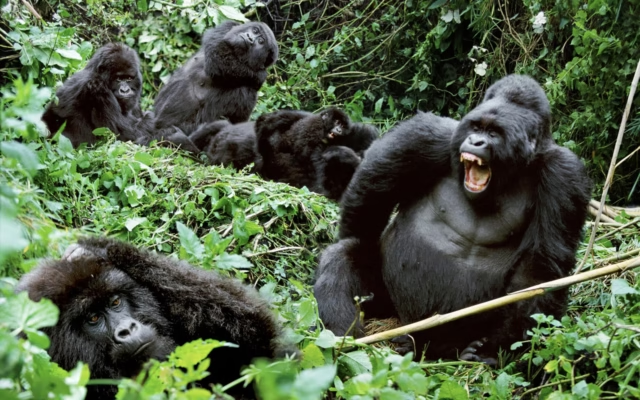
3 Day Uganda Gorilla Trekking Safari
You visit
Bwindi Forest, Entebbe
This private Uganda gorilla trekking safari is a focused 3-day Uganda gorilla trekking road trip: a full-day mountain gorilla trek in Bwindi Impenetrable National Park—a UNESCO rainforest where roughl…
 BestSeller
5 Day Gorilla & Chimp Safari
You visit
Kibale Forest, Bwindi Forest, Entebbe
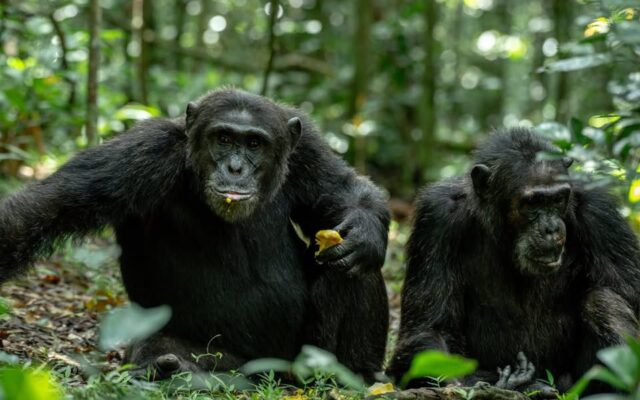
Combine Bwindi gorilla trekking with Kibale chimpanzee tracking.
 BestSeller
6 Days Uganda Gorillas, Chimpanzees & Wildlife Safari
You visit
Kibale Forest, Queen Elizabeth NP, Bwindi Forest, Entebbe
Primates plus plains in six days: Kibale chimps, Queen Elizabeth savannah, Bwindi gorillas and a Lake Mburo finale for zebra — the full Uganda highlight reel without rushing Kidepo or Murchison.
 BestSeller
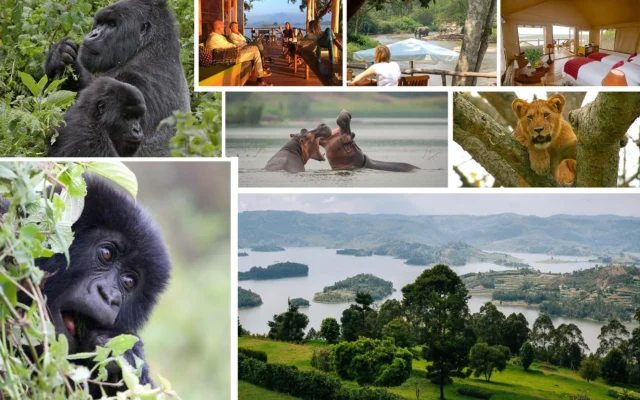
7 Day Uganda Wildlife & Gorilla
You visit
Murchison Falls, Kibale Forest, Queen Elizabeth NP, Bwindi Forest, Entebbe
Seven days with gorillas: the wildlife tour above plus Bwindi trekking on Day 6 — the single most booked private itinerary for Uganda Safari Tours guests who want chimps, savannah and gorillas in one…