Wildlife and freshwater ecology at Lake Nabugabo
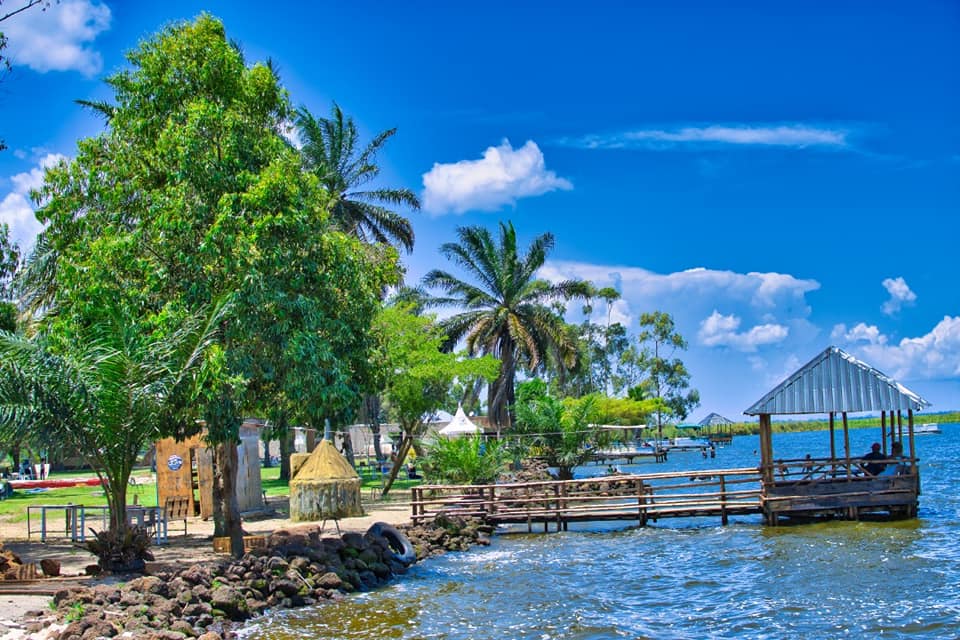
Lake Nabugabo sits in a sweet spot on many Uganda routes: close enough to the Kampala–Entebbe corridor for a purposeful day trip or overnight break, yet far enough from airport traffic to feel like a real lake escape. The water body is a freshwater lake in the Lake Victoria basin near Masaka, historically linked to the main lake by a sandy barrier and now valued as its own shallow, warm ecosystem. Travelers who expect lion and elephant herds will be looking in the wrong place. The wildlife story here is intimate — fish in clear shallows, herons on reeds, otters if you are lucky, butterflies along the shore, and the quiet rhythm of a working lakeside landscape.
That narrower focus is exactly why Lake Nabugabo works as a contrast to intense park days at Lake Mburo National Park or long drives toward western forests. It is a place to slow down, read water and wetland edges, and appreciate how Uganda's biodiversity persists outside fenced reserves.
Endemic fish and conservation interest
The ecological headline for many naturalists is endemic fish. Lake Nabugabo holds cichlid species found nowhere else — a reminder that African Great Lakes evolution produced remarkable local diversity even in smaller basins separated from Victoria proper. Scientific interest in these populations has helped keep the lake on the map for conservation-minded travelers, not only for weekend picnics.
Fishing remains part of daily life. Local communities harvest tilapia and other species under longstanding lake-use patterns. Visitors who canoe or walk the shore often see nets, small boats, and fish drying racks — evidence that Nabugabo is a lived-in freshwater system, not a manicured nature display. Ethical travel means respecting fishing grounds, avoiding litter in the water, and hiring local guides who understand which margins are sensitive during breeding periods.
Compared with the papyrus channels of Mabamba Swamp near Entebbe, Nabugabo offers open water, sandy beaches, and broader shoreline walking. Mabamba is shoebill-and-papyrus specialist territory; Nabugabo is warmer, more open, and better suited to family lakeside time with nature interpretation woven in.
Wetlands, beaches, and everyday nature
Fringing wetlands and seasonal marshes support herons, egrets, kingfishers, weavers, and water-associated raptors. Morning light on reeds and papyrus edges is excellent for photography. Dragonflies, frogs, and small reptiles appear along muddy margins after rain. The lake's shallow profile means waterbirds can feed close to shore — rewarding for binocular users who do not need a long boat ride to see activity.
Sandy beaches and picnic-friendly bays give the site a different texture from swamp birding. Families often value safe shallow swimming areas, shade trees, and space for children to explore while adults scan for birds. Butterflies and garden species occur in lakeside vegetation and nearby homestead plantings, adding casual interest between focused wildlife moments.
Mammals are not the main draw. You may notice vervet monkeys in woodland patches, mongoose along paths, or otter signs if a guide knows recent sightings, but do not plan Nabugabo as a mammal safari. The payoff is freshwater ecology, relaxed pacing, and scenery that complements busier stops on a Lake Victoria regional route.
How the landscape fits the wider basin
Lake Nabugabo should be read in regional context. It lies in the Masaka / Victoria basin of central Uganda, within reach of routes linking Kampala, the airport gateway at Entebbe, and southwest highways toward Mburo and beyond. Many itineraries treat it as a Masaka route break — a half-day or overnight pause that breaks up long transfers with meaningful outdoor time.
Water level, seasonal rain, and agricultural activity on surrounding slopes all influence what you see week to week. Dry months often expose more beach and simplify shore walking; rainy periods green the hills and can push birds into predictable wetland fringes. Guides adapt walks and canoe routes accordingly. That variability is normal for shallow freshwater lakes — and repeat visits can feel different even on the same holiday.
Responsible wildlife and lakeside viewing
Keep voices low near roosting birds, never discard plastic or food waste into the lake, and follow guides on distance around nesting areas and fishing nets. Swimming and picnicking should stay in areas locals identify as appropriate — some margins are private or actively fished. Wear sun protection, carry drinking water, and use life jackets when canoeing if provided.
Hiring local guides and community boat operators supports people who know seasonal fish movements and bird stakeouts. That income reinforces the value of intact wetland margins — a practical conservation outcome from a low-key lakeside morning.
How Lake Nabugabo fits a wider Uganda safari
Most itineraries treat Nabugabo as a specialist freshwater stop: high-value relaxation and ecology on the Masaka axis, not a multi-night big-five destination. It pairs naturally with Masaka town services, Ssese Islands lake extensions, and Lake Mburo for a mixed water-and-savannah arc. Birders often chain it with Mabamba Swamp on separate days — Mabamba for papyrus shoebill searching from Entebbe, Nabugabo for open-lake birding and beach time when routing southwest from the capital.
For deeper planning, see our guides on Lake Nabugabo bird watching, best time to visit, and getting there — each covers a different angle of the same lakeside visit.