Lake Nabugabo — questions travelers ask before booking
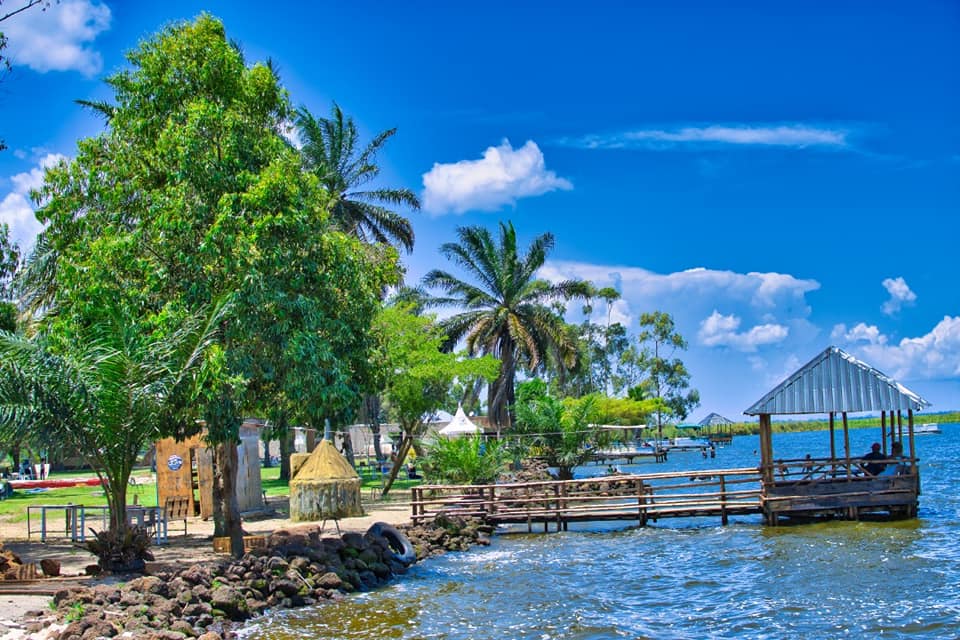
Lake Nabugabo occupies a specific niche in Uganda travel: a quiet freshwater lake in the Lake Victoria basin where beaches, canoeing, wetland birding, endemic fish interest, and family picnics matter more than lodge-based big-game viewing. It is not a national park with daily gate quotas. Understanding that distinction upfront prevents the common mismatch — expecting a Mabamba-style shoebill swamp when you are actually visiting an open warm lake near Masaka.
The site works best when treated as a purposeful half-day, full-day, or overnight stop on the southwest road from Kampala — or as a regional break when linking Lake Mburo, Ssese Islands, and Masaka-area services. Pair it with Mabamba Swamp on separate days if you want both papyrus shoebill searching near Entebbe and open-lake relaxation farther southwest.
Worth visiting, and for whom
Yes — Lake Nabugabo is worth visiting when it fits your route and interests. It is especially useful for travelers seeking lake relaxation, birding, beaches, family picnics, Masaka route breaks, and wetland scenery without committing to a multi-night park stay. Birders gain a Victoria-basin freshwater chapter; families gain shallow swim-friendly bays; photographers gain morning light on reeds and open water.
It is less ideal as a sole reason to fly to Uganda, or as a substitute for Bwindi gorilla trekking or savannah parks. Think of it as depth on a broader itinerary — the kind of stop that makes a transfer day memorable rather than empty windshield time.
Location and routing logic
Lake Nabugabo lies in the Masaka / Lake Victoria basin of central Uganda, southwest of the main Kampala–Entebbe corridor. Exact routing should be planned around whether you are coming from the capital, continuing toward Mburo, or stitching island ferry plans into the same week. We quote realistic drive hours including traffic — not straight-line map estimates.
Many itineraries combine Nabugabo with Masaka, Lake Victoria basin sites, and Lutoboka Ssese Islands depending on ferry timing. A guide helps you avoid backtracking to Entebbe when your next leg is already pointing southwest.
Activities, guides, and time needed
Main experiences include guided lakeshore walks, canoe outings, bird watching, photography, picnic and beach time, and local interpretation of fishing culture and endemic fish interest. A guide is strongly recommended for most visits because access points, water safety, cultural etiquette, and bird stakeouts make the difference between a meaningful stop and a confused roadside pause.
Most travelers allow a half day minimum from Kampala including transport. Overnight stays make sense when you want unhurried canoe time and morning birding without repeating the full corridor drive. Serious birders may extend the morning to work wetland margins after an open-water scan.
Seasons, packing, and responsible travel
Dry months are usually easier for road access and beach time; mornings are often best for birding and photography. Rainy periods can be scenic and productive with flexibility — pack a rain jacket, dry bag, sun protection, binoculars, drinking water, and small cash for local services.
Keep voices low near birds, never litter in the lake, respect fishing nets and private shore sections, and ask before photographing people in nearby communities. Tourism helps when it employs local guides and keeps wetland margins intact.
Where to read next
Species and ecology: Lake Nabugabo wildlife.
Bird lists and lakeshore birding: Lake Nabugabo bird watching.
Seasons and months: best time for Lake Nabugabo.
Kampala and Entebbe access: how to get to Lake Nabugabo.
The main Lake Nabugabo destination guide covers the full hub overview, nearby combinations, and safari planning context.