Bird watching at Lake Nabugabo
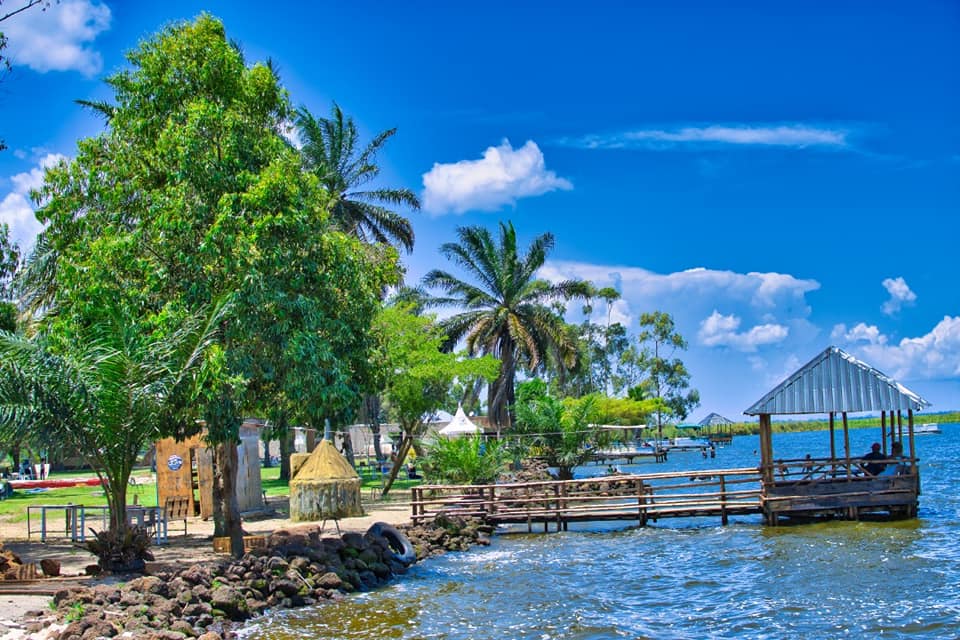
If your Uganda itinerary threads through the Kampala–Entebbe corridor and southwest toward Masaka, Lake Nabugabo is one of the most practical freshwater birding stops that is not already crowded into an airport-day schedule. The lake sits in the Lake Victoria basin — a shallow, warm water body with wetland fringes, sandy bays, and lakeside woodland patches. Serious listers should treat it as at least a half-day birding session, not a ten-minute photo stop from the highway.
The experience differs from Mabamba Swamp near Entebbe, where canoe channels through papyrus dominate and the shoebill is the headline target. Nabugabo is broader, more open, and better for travelers who want varied shoreline walking, canoe birding on open water, and relaxed pacing after a morning in the capital.
Open water and wetland specialists
Bird watching at Lake Nabugabo typically combines lakeshore scanning with wetland-margin work. Commonly seen species include African fish eagle, pied and malachite kingfishers, long-tailed cormorant, various herons and egrets, African jacana, black crake, swamp flycatcher, weavers, and sunbirds in lakeside vegetation. Raptors may kettle overhead on warm afternoons; swifts and swallows move along the waterline after insects.
Exact day lists depend on water level, season, guide effort, and whether you include nearby woodland patches and agricultural margins after the main lake loop. A guide who knows calls and roost trees adds far more value than a passive drive-by. Non-birders still enjoy colorful kingfishers and fish eagles — species dramatic enough to impress travelers who do not keep formal lists.
How Nabugabo compares to Mabamba and Entebbe sites
Travelers often ask whether Nabugabo replaces Mabamba Swamp. The honest answer is no — they complement each other. Mabamba is the specialist site for shoebill searching in papyrus channels with community canoe guides. Nabugabo is better for open-lake birding, beach-adjacent walks, and a softer introduction to Victoria-basin freshwater habitats when your route already passes Masaka.
If you have only one morning near the airport, Mabamba or Entebbe Botanical Gardens usually wins on logistics. If you are driving southwest from Kampala with time for a lakeside lunch and afternoon birding, Nabugabo fits naturally. Multi-day birders frequently do both on separate days as part of a wider Lake Victoria arc before heading to Lake Mburo or forest sites farther west.
When and how to bird Lake Nabugabo
Morning is the best time for Nabugabo birding. Temperatures are cooler, wind is often lighter on the water, activity peaks around wetland edges, and light is softer for photography. If you are connecting to an afternoon drive toward Mburo or the Ssese Islands ferry corridor, plan an early start rather than a late-afternoon afterthought when fishermen, picnic groups, and heat compete for the same shoreline.
Year-round birding is possible because many residents use the system continuously. Migratory interest often strengthens from roughly October to March, when Palearctic visitors supplement the list — especially rewarding if you combine Nabugabo with other basin sites on a specialist itinerary. Rainy periods can concentrate birds along predictable fringes; dry months simplify shore access and canoe logistics.
Gear, pacing, and guide choice
Bring 8×42 binoculars as a practical default for shore and canoe birding. A Uganda field guide or eBird checklist helps between sightings. Telephoto lenses suit kingfishers and fish eagles, but avoid pressuring guides to approach nesting areas too closely. Pack a rain jacket, sun protection, and a dry bag if you canoe — splash and sudden showers are normal in the basin.
Move slowly, listen more than you talk, and let the guide set the pace. Rushing rarely adds species. Casual visitors still enjoy approachable waterbirds; expert birders should book enough time to work wetland edges properly after an open-water scan.
Building a central Uganda birding route
Nabugabo pairs naturally with Masaka for supplies and overnight bases, with Mabamba Swamp on a separate Entebbe-based morning, and with Lake Mburo for savannah and lakeside birds farther southwest. Longer circuits often continue to forest reserves and Albertine Rift parks — Nabugabo is a logical freshwater opening chapter on the Masaka road when you want birding without backtracking to the airport wetland.
See also our Lake Nabugabo wildlife and ecology notes, best time to visit, and access and routing pages for season and transport planning.