Kigali — questions travelers ask before booking
Kigali occupies a specific niche in East Africa travel: the continent's most efficient gorilla-trekking gateway paired with a capital that is safe, clean, and culturally substantive. It is not a savannah wildlife park — lions and elephants belong in Akagera National Park. Understanding that distinction upfront prevents the common mismatch of expecting big-game drives in town while overlooking the memorial visit and transfer logistics that make Rwanda safaris work.
The city works best as a purposeful arrival, departure, or one-to-two-night base — pairing the Kigali Genocide Memorial, Kimironko Market, and city tours with paved transfers to Volcanoes National Park, Nyungwe, Lake Kivu, or cross-border routes toward Bwindi in Uganda.
Airport logistics and how long to stay
Most visitors allow at least one Kigali night on arrival before a Volcanoes trek — clearing immigration calmly, recovering from long-haul flights, and confirming 4:30 a.m. pickup. Two nights allow a full memorial visit plus city touring without compressing everything against trek fatigue. Same-day memorial visits after morning arrivals are possible with early landings; same-day gorilla treks require very early flights and operator coordination.
Gorilla trekking from Kigali
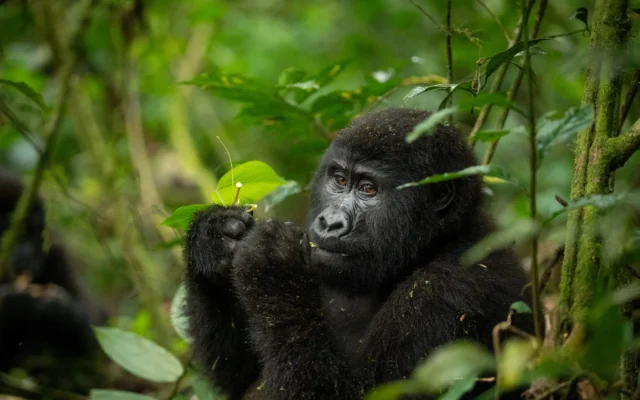
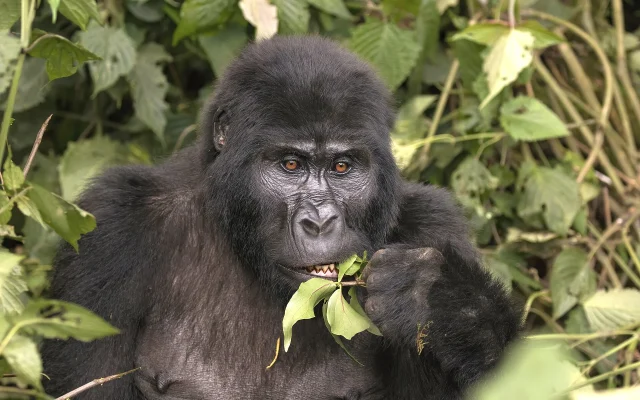
Volcanoes National Park lies roughly two to three hours northwest on paved RN4. Briefing starts at 7:00 a.m. at Kinigi — plan pre-dawn departures from Kigali or overnight in Musanze. Rwanda permits currently cost USD 1,500 for foreign non-residents; book through licensed operators months ahead for peak dry season.
Uganda gorilla trekking via Kigali uses Cyanika or Gatuna borders — lower Uganda permit cost but added border hours. Operators handle visas, yellow-fever requirements, and permit timing on combined routes.
Memorial, culture, and respectful travel
The Kigali Genocide Memorial at Gisozi demands at least one and a half to two hours and quiet conduct. Photography rules apply indoors. Schedule when you have emotional bandwidth — many travelers prefer arrival day before lighter market or café touring. Rwanda bans plastic bags; monthly Umuganda community mornings (last Saturday) can limit city access until midday.
Safety, health, and practical travel
Kigali is widely used by international safari travelers and ranks among Africa's safest capitals. Use registered taxis at night, standard valuables precautions, and respectful dress at memorials. Malaria risk is lower in Kigali than lowland parks but consult your health adviser for Rwanda-wide precautions including Akagera and Nyungwe legs.
Where to read next
Urban birding: Kigali bird watching.
Seasons and months: best time to visit Kigali.
Airport and highway access: how to get to Kigali.
Combining Kigali with longer East Africa routes
Kigali pairs logically with full Rwanda circuits (Volcanoes → Lake Kivu → Nyungwe → Akagera) and Uganda primate extensions (Bwindi, Mgahinga, Queen Elizabeth, Lake Bunyonyi). Treat memorial visits and city mornings as fixed blocks before committing to five-hour southern drives or cross-border formalities.
The main Kigali destination guide covers the full hub overview, nearby combinations, and safari planning context.