Best time to visit Kigali
Unlike remote bush camps where seasonal roads dictate access, Kigali is open every month — hotels, markets, memorials, and restaurants do not shut for rains. The real calendar questions are practical: When will RN4 to Volcanoes National Park be easiest? Are gorilla permits available on your fixed dates? And can you schedule the Genocide Memorial when you have emotional bandwidth after a long-haul flight?
Dry season vs rainy season
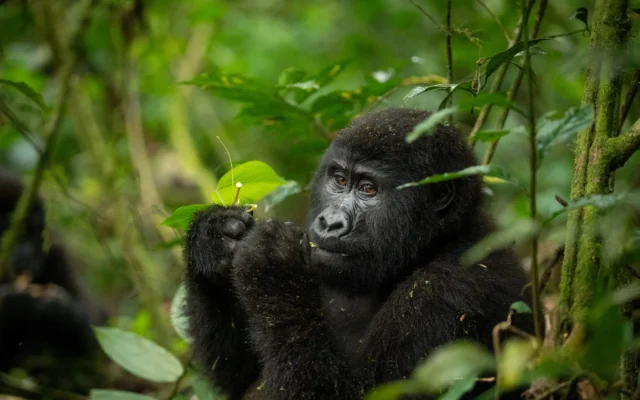
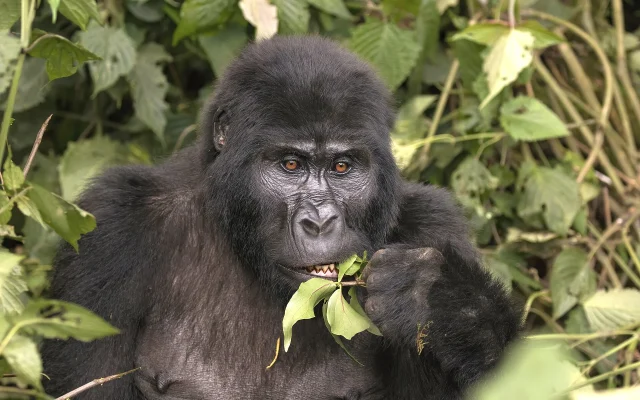
Rwanda's broadly drier windows — roughly June to September and December to February — are peak gorilla trekking months. Paved highways to Musanze and Kinigi stay reliable year-round, but forest trails on trek day are muddier in wet months; photography and forest walking benefit from drier ground. Drier months also align with European summer and Christmas travel — Kigali boutique hotels and Volcanoes lodges book months ahead.
Rainy peaks around March to May and October to November bring afternoon showers and mist over the Virunga volcanoes. City touring remains productive — pack a light rain jacket and allow flexible outdoor timing. Fewer competing visitors at times can mean easier last-minute permit luck, though peak gorilla dates still sell out regardless of rain.
Kigali's subtropical highland climate stays mild: daily highs often around 21–27°C. Evenings cool enough for a light layer; Volcanoes transfer mornings can feel chilly before sunrise.
Gorilla permit timing from Kigali
Rwanda gorilla permits are date-specific and currently USD 1,500 for foreign non-residents — confirm latest RDB pricing. Secure permits before booking non-refundable flights. Peak dry months require six to twelve months advance booking for popular dates; shoulder rainy weeks may offer slightly more flexibility but never assume availability.
Your Kigali nights should align with permit day: arrive at least one night before trekking if driving from the city; two nights if you want a memorial visit and packing briefing without rushing.
City touring: memorials, markets, and Umuganda
The Kigali Genocide Memorial is indoor and year-round — schedule it on arrival day when jet lag suits contemplative pacing, or on departure day when trek fatigue has lifted. Kimironko Market and hilltop viewpoints are best in morning light before afternoon showers during rainy months.
On the last Saturday morning of each month, Rwanda observes Umuganda community service — many shops close and roads quiet until midday. Avoid planning time-sensitive city touring across that window; gorilla transfers on Umuganda Saturdays still operate but city access may be limited.
Combining Kigali with Akagera, Nyungwe, and Lake Kivu
Akagera National Park game drives are year-round; dry months simplify photography and dust levels on savannah tracks. Nyungwe National Park chimp trekking and canopy walks are wet-forest experiences — rain is possible any month; drier windows improve trail comfort. Lake Kivu suits any season for relaxation; clear skies favour sunset boat photography in drier months.
Multi-park circuits starting in Kigali often sequence: city → Volcanoes → Lake Kivu → Nyungwe → Akagera → Kigali departure. Allow seven to ten days for that arc without rushed transfers.
Cross-border Uganda gorilla timing
Travelers using Kigali airport while trekking Bwindi or Mgahinga in Uganda should align Uganda permit dates with border crossing days. Dry months simplify Cyanika and Gatuna road conditions toward southwestern Uganda. Uganda permits cost less than Rwanda — but border formalities add hours; build realistic buffers.
Month-by-month snapshot
January–February: Short dry window, excellent gorilla access, busy Kigali hotels; book early.
March–May: Long rains, lush hills, flexible city days; forest trails muddier on trek day.
June–August: Peak dry season, highest permit demand, ideal photography and transfers.
September: Transition month — still strong travel, occasional early rains.
October–November: Second rainy peak; quieter city at times, plan indoor memorial time.
December: Holiday demand, dry weather returning, advance booking essential.
For transport detail, see our Kigali how to get there guide. Urban birding notes sit on bird watching.