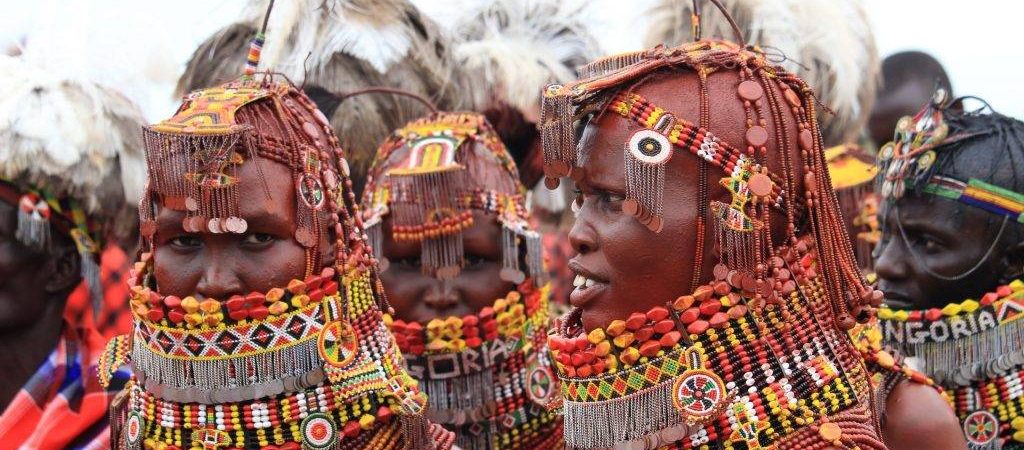
Karamoja Region is Uganda’s northeastern frontier: a wide, sunlit landscape of volcanic mountains, acacia savannah, seasonal rivers, pastoral homesteads, rock art, wildlife reserves, and some of the country’s most distinctive cultural encounters. It is the region travelers choose when they want Uganda to feel expansive, adventurous, and refreshingly uncrowded.
Unlike the greener highland and rainforest circuits of western Uganda, Karamoja is defined by distance, openness, and dramatic contrast. Golden plains run toward blue mountain walls. Dry riverbeds become wildlife corridors after rain. Towns such as Moroto, Kotido, Kaabong, Napak, and Nakapiripirit act as practical bases for guided hikes, community visits, market walks, cycling, and overland journeys toward Kidepo Valley National Park.
A Karamoja Region safari works best for travelers who value authentic route planning over a single checklist attraction. The region can anchor an adventurous northeastern Uganda itinerary, link Mount Elgon and Sipi Falls with Kidepo, or add cultural depth to a fly-in wilderness safari.
This destination combines naturally with Kidepo Valley National Park, Mount Moroto, Mount Kadam, and Mount Napak in a well-planned Uganda safari route.
Quick Facts About Karamoja Region
| Feature | Details |
|---|---|
| Location | Northeastern Uganda, bordering Kenya and South Sudan in the wider frontier zone |
| Main Gateway | Moroto, with routes via Soroti, Mbale, Gulu, Kitgum, and Kidepo |
| Landscape | Semi-arid savannah, volcanic mountains, rocky outcrops, seasonal rivers, woodland, and escarpments |
| Signature Experiences | Community visits, mountain hiking, cycling, rock art, wilderness drives, and Kidepo extensions |
| Key Mountains | Mount Moroto, Mount Kadam, Mount Napak, Mount Morungole, and surrounding ranges |
| Wildlife Links | Kidepo Valley National Park, Pian Upe Wildlife Reserve, Matheniko, Bokora, and wider savannah corridors |
| Best Time | Dry months are easier for roads and trekking; green-season travel brings softer light and refreshed plains |
| Best For | Adventure travelers, photographers, hikers, cultural travelers, birders, and repeat Uganda visitors |
Overview of Karamoja Region
Karamoja occupies a place in Uganda travel that is hard to replace. It is remote enough to feel like a journey, yet increasingly accessible with the right vehicle, local partners, and realistic pacing. The reward is a region that combines big horizons with intimate human stories: pastoral life around manyattas, mountain communities adapted to highland slopes, weekly markets, craft traditions, and guiding knowledge passed through people who know the country on foot.
The region is not a single attraction. It is a travel landscape. Moroto may be the easiest first base, especially for Mount Moroto hikes, cycling, market visits, and cultural introductions. Napak and Iriiri open routes toward Mount Napak and the Pian Upe side of the plateau. Nakapiripirit gives access to Mount Kadam and southern Karamoja. Farther north, Kaabong and Karenga connect the region with Kidepo Valley National Park and the mountain country around Morungole.
For safari planning, this makes Karamoja especially valuable as a bridge between experiences. It can turn a straight transfer to Kidepo into a richer overland expedition. It can extend an eastern Uganda route from Jinja, Sipi Falls, and Mount Elgon into lesser-visited wildlife and culture areas. It can also stand alone as a slow adventure built around walking, photography, community tourism, and highland camping.

Why Visit Karamoja Region?
The strongest reason to visit Karamoja is the feeling of space. The region is visually different from the rest of Uganda: drier, broader, more elemental, and often more solitary. A morning drive can move from cattle tracks to rocky hills, from thorn woodland to a small trading center, from views of distant Kenya to a local guide explaining why a valley matters to a clan or grazing route.
Remote Mountain Adventure
Karamoja’s mountains are ancient volcanic masses rising from open plains. They are lower than the Rwenzori or Mount Elgon, but they feel wild because trails are less formal, camps are simple, and local guides are essential. Mount Moroto, Mount Kadam, and Mount Napak all offer serious hiking with cultural encounters woven into the route.
Distinctive Cultural Travel
The Karamojong, Tepeth, Pokot, Kadama, Ik, Jie, Dodoth, and other communities give the region a cultural depth that should be approached with respect, patience, and local mediation. The best visits are not staged interruptions. They are guided conversations around daily life, architecture, livestock culture, food, dance, beadwork, and changing livelihoods.
Wildlife Circuit Potential
Karamoja is framed by some of Uganda’s most underrated savannah wildlife areas. Kidepo is the flagship, but Pian Upe, Matheniko, Bokora, and surrounding rangelands add ecological context. Wildlife sightings vary by season and reserve management, so itineraries should be planned around conservation rules and current local guidance.
Top Things to Do in Karamoja Region
A well-planned Karamoja itinerary combines movement and stillness. It should include enough active time to understand the land, but not so much driving that the region becomes a blur.
Hike Mount Moroto
Mount Moroto is the most practical highland adventure for many travelers because Moroto town sits close to the mountain. Day walks, overnight camps, and longer ridge routes can be arranged with local guides. The climb introduces dry lower slopes, wooded sections, rocky viewpoints, and Tepeth cultural context.
Climb Mount Kadam or Mount Napak
Mount Kadam and Mount Napak suit fit hikers looking for tougher, less-developed trekking. Expect steep approaches, limited infrastructure, and the need for flexible timing. These mountains reward effort with wide views over southern Karamoja, Pian Upe, and distant volcanic silhouettes.
Explore Kidepo’s Wilderness
Kidepo Valley National Park is Karamoja’s premier wildlife destination. Its Narus Valley game drives, dry northern valley scenery, mountain backdrops, predators, buffalo, giraffe, elephant, and birdlife make it one of Uganda’s most memorable safari landscapes.
Join Guided Community Visits
Community tourism is one of Karamoja’s strongest travel experiences when arranged responsibly. A good guide helps visitors understand etiquette, photography boundaries, local payments, and the difference between respectful exchange and intrusion.
Look for Rock Art and Cultural Landscapes
Karamoja and the wider eastern Uganda corridor contain rock art sites and ancient occupation landscapes. Access and interpretation vary, so visits should be arranged through guides who understand local custodianship and conservation needs.
Cycle or Walk from Moroto
Moroto is becoming a practical base for active travel. Cycling, short hikes, and market walks give travelers a grounded introduction before longer mountain or wildlife routes.
Learn more about things to do in Karamoja Region
Wildlife and Birding in Karamoja Region
Karamoja’s wildlife story is best understood at landscape scale. The region includes protected areas, community grazing lands, seasonal wetlands, wooded savannah, and mountain habitats. Kidepo holds the most reliable big-game safari experience, while Pian Upe and the wider Karamoja reserves provide broader wilderness character and important habitat for dry-country birds and mammals.
Wildlife possibilities across the wider region include elephants, buffaloes, giraffes, zebras, hartebeests, elands, hyenas, jackals, dik-diks, ostriches, raptors, hornbills, and many dry-savannah bird species. Sightings outside national parks and managed reserves are less predictable, and ethical itineraries should avoid pressuring wildlife or communities for close encounters.
Trekking, Safari, and Culture Route Planning
The most successful Karamoja safari routes are paced around distance. Roads are improving, but drives remain long, hot, and sometimes rough. A route from Kampala or Entebbe can travel via Gulu and Kitgum to Kidepo, then return through Moroto, Pian Upe, Sipi Falls, and Mount Elgon. Another approach starts in eastern Uganda, using Mbale or Sipi as a gateway into Pian Upe, Mount Kadam, Mount Napak, Moroto, and onward to Kidepo.
For hikers, avoid stacking major climbs back to back without rest. Mount Moroto can be a first acclimatization and cultural hike. Mount Kadam or Napak can then be added for stronger trekkers. Kidepo works well after trekking because game drives allow recovery while still delivering exceptional safari rewards.
For cultural travel, stay longer in fewer places. A single meaningful day around Moroto with a respected guide is more valuable than rushing through several communities for photographs. Build in time for market days, conversations, and local interpretation.
Best Time to Visit Karamoja Region
Dry periods are generally best for road access, hiking, camping, and reliable movement between distant stops. The landscape is hotter and dustier, but logistics are easier and wildlife in protected areas may concentrate near remaining water. The rainy season can refresh the plains and improve photography, yet some tracks become slower and mountain trails can be slippery.
Because Karamoja is semi-arid, heat management matters in every season. Start hikes early, carry more water than you think you need, and let local guides adjust routes when conditions change.
{{SEC_GETTING_THERE}}
Best time to visit Karamoja Region — full guide
Getting to Karamoja Region
Most overland trips use Moroto, Soroti, Mbale, Gulu, Kitgum, or Kidepo as route anchors. From Kampala or Entebbe, travelers should expect long driving days unless the itinerary is broken with stops such as Ziwa Rhino Sanctuary, Gulu, Sipi Falls, Mount Elgon, or Pian Upe. Fly-in safaris to Kidepo can be combined with road extensions into Karamoja, but private transfers and local guides still need advance planning.
A high-clearance 4×4 is strongly recommended for more remote routes, especially in wet months or when linking mountain trailheads, reserves, and community areas.
Safety and Responsible Travel
Karamoja travel is most rewarding when done with reputable local operators, registered guides, and current route advice. The region has changed significantly over the years, but visitors should still respect local guidance on roads, photography, community protocol, and wildlife areas. Do not wander onto mountain routes without guides. Do not photograph people, manyattas, livestock, or ceremonies without clear permission.
For trekking, carry sun protection, water purification or sufficient bottled water, sturdy footwear, layered clothing for cool highland nights, and a realistic fitness plan. For cultural visits, bring curiosity and humility rather than assumptions. Responsible tourism here should leave local hosts with fair income and visitors with better understanding.
Kidepo Valley National Park
Karamoja's premier wilderness safari destination, with Narus Valley game drives, dramatic plains, predators, elephants, buffaloes, giraffes, and exceptional scenery.
Mount Moroto
A practical mountain adventure from Moroto town, combining volcanic scenery, Tepeth cultural context, hiking, camping, and wide views across the Karamoja plains.
Mount Kadam
A tougher southern Karamoja trekking objective near Nakapiripirit, suited to fit hikers seeking remote trails and highland camping.
Mount Napak
A steep volcanic mountain and regional gateway near Pian Upe, known for panoramic views, Bokora cultural context, and demanding hiking.
Pian Upe Wildlife Reserve
A broad savannah reserve that pairs well with Karamoja overland routes, Mount Kadam, Mount Napak, Sipi Falls, and Mount Elgon.
Sample Karamoja Itinerary Ideas
A short introduction might spend two nights in Moroto for a market walk, community visit, and Mount Moroto day hike before continuing to Kidepo. A stronger adventure route could travel from Sipi Falls to Pian Upe, Mount Kadam, Mount Napak, Moroto, and Kidepo over eight to twelve days. A fly-in luxury route can focus on Kidepo, then add a carefully guided cultural day or overland extension if time allows.
Karamoja is not about rushing. Its best moments often happen between named attractions: sunrise on a campsite, a conversation with a guide, cattle bells below a ridge, or the first view of a mountain appearing across the plain.
- Is Karamoja Region worth visiting?
Yes. Karamoja Region is one of Uganda’s best areas for remote landscapes, cultural travel, mountain hiking, wilderness safaris, and routes into Kidepo Valley National Park.
- What is Karamoja famous for?
Karamoja is known for semi-arid savannah, volcanic mountains, pastoral culture, Kidepo Valley National Park, community tourism, rock art, and off-the-beaten-path adventure.
- How many days do I need in Karamoja?
Plan at least three to five days for a meaningful introduction, or seven to twelve days if you want to include Kidepo, Mount Moroto, Mount Kadam, Mount Napak, and slower cultural experiences.
- Is Karamoja safe for tourists?
Karamoja is visited safely with reputable local operators, current route advice, respectful community protocol, and guided activities. Independent travel into remote mountains or villages is not recommended.
- What is the best base for Karamoja travel?
Moroto is the most practical base for many first-time visitors because it has accommodation, services, local guides, Mount Moroto access, and onward routes to Kidepo or southern Karamoja.
- Can Karamoja be combined with Kidepo?
Yes. Karamoja and Kidepo are one of Uganda’s strongest wilderness combinations, especially when travelers route through Moroto, Kaabong, Pian Upe, or Kitgum depending on the itinerary.
- Do I need a 4×4 for Karamoja?
A high-clearance 4×4 is strongly recommended, especially for wet-season travel, mountain trailheads, wildlife reserves, and remote community routes.