Best time to visit Karamoja Region
Unlike Bwindigorilla trekking, where permit dates drive the calendar, Karamoja Region planning starts with roads, heat, and how many hours you will spend on rough tracks between Moroto, Kidepo Valley National Park, Pian Upe Wildlife Reserve, and mountain trailheads. The region works year-round with the right vehicle and guide, but dry periods simplify logistics; green periods soften the landscape for photography while sometimes slowing travel.
Dry season: easier movement, hotter days
Broadly drier windows — often discussed as roughly September to March in northeastern Uganda travel planning, with local variation — tend to improve track conditions on routes via Gulu, Kitgum, and Karamoja towns. Wildlife in Kidepo's Narus Valley often concentrates near remnant water, which can help game drives though heat and dust intensify by mid-morning. Mountain hikes on Mount Moroto, Mount Kadam, and Mount Napak still demand early starts, extra water, and sun protection in every month.
Dry-season travel fills limited lodge space near Kidepo and popular Moroto guides; book accommodation and vehicles when dates are fixed, especially over Christmas and European summer holidays.
Green season: refreshed plains, slower tracks
Rain — often associated with the main rainy period around April to September in many Kidepo/Karamoja summaries, with local nuance — greens the plains, improves landscape photography, and can boost bird activity after showers. Trade-offs include muddy sections on reserve and community routes, slippery mountain trails, and the need for flexible daily plans. Karamoja remains visitable, but build buffer days rather than tight chains of long drives.
Time of day and activity fit
Mornings suit game drives on the Kidepo Savannah Plains, market walks in Moroto, and mountain departures. Midday heat pushes cultural visits toward shade, manyatta conversations, or rest at camp. Late afternoon light rewards photographers on open plains. Night driving outside approved safari contexts is not a DIY option — follow operator and UWA guidance.
Combining Karamoja with Mount Elgon or Murchison
Eastern approaches through Sipi Falls and Mount Elgon National Park may experience different rainfall timing than Kidepo itself. Northern routes via Murchison Falls National Park and Gulu add another climate layer. Check conditions for each leg, not only the capital forecast.
Month-by-month snapshot
January–February: Often hot and dry; strong Kidepo wildlife searching; book lodges early.
March–May: Transition toward rain in many years; lush scenery; allow muddy-track margin.
June–August: Rain possible; greener Karamoja; some routes slower; good birding after showers.
September–October: Drying trend in many seasons; improving road predictability.
November–December: Variable; holiday demand near Kidepo; early starts essential.
Heat, hydration, and trekking overlap
Mountain hikes on Mount Moroto or Mount Kadam share the same seasonal heat as valley drives — start peaks before 8 a.m., carry more water than Kampala habits suggest, and let guides shorten routes when afternoon storms build. Trekking during green months demands waterproof boots; dry months trade mud for dust on open tracks.
Photography and cultural calendars
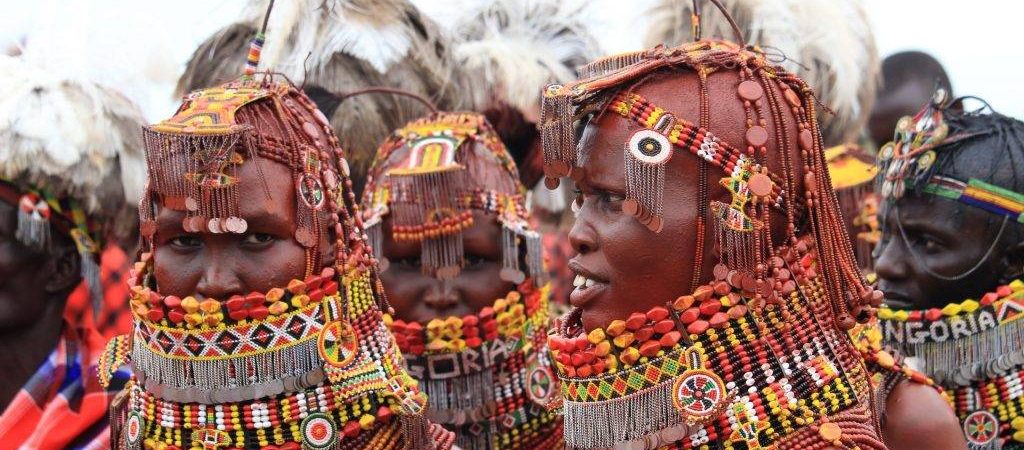
Landscape photographers often prefer transitional months when storm clouds stack against blue ranges; wildlife photographers may still choose drier Narus windows for mammal density. Market days in Moroto shift community availability — build visits around local calendars with guide input.
Holiday peaks and permit competition
Christmas, Easter, and July–August European holidays increase demand for Kidepo lodges and Moroto guides even when Karamoja itself feels empty on the map. Book vehicles when you confirm Kidepo nights — not after. Fly-in guests competing for the same dry-season windows should secure flights and Apoka camps together.
First-time vs repeat visitor season choice
First northeastern visits often prioritize dry-season logistics. Repeat travelers may accept green-season mud for softer light on Mount Napak ridges or empty Narus viewpoints. Neither choice is wrong if drive standards and guide quality match the season.
Pair this page with getting to Karamoja, Karamoja wildlife, and Karamoja bird watching for route and species context.