Karamoja Region — questions travelers ask before booking
Karamoja Region occupies a distinct niche in Uganda travel: semi-arid plateau, volcanic mountains, pastoral culture, and access to Kidepo Valley National Park — not a lodge grid like Queen Elizabeth National Park. Understanding that upfront prevents the mismatch of expecting instant Big Five viewing in every valley when the real reward is space, guided cultural exchange, and carefully planned reserve time.
The region works best on slow itineraries with reputable local operators, realistic drive times, and consent-based community visits. Pair hub planning with best time to visit Karamoja, getting to Karamoja, Karamoja wildlife, and bird watching in Karamoja for section detail.
Worth visiting, and for whom
Karamoja rewards adventure travelers, photographers, repeat Uganda visitors, hikers, and cultural tourists — especially those combining mountains, Pian Upe Wildlife Reserve, and Kidepo. First-time travelers who need guaranteed savannah density with minimal driving often prioritize Murchison or Queen Elizabeth first, then add Karamoja on a second trip or a long northern circuit.
Moroto, Kidepo, and how many days
Moroto is the practical base for Mount Moroto hikes, market walks, and introductions to Karamojong and Tepeth cultural contexts. Kidepo needs at least two to three nights after arrival to justify the journey. Meaningful Karamoja introductions often need three to five days; seven to twelve days suit Moroto, Mount Kadam, Mount Napak, Pian Upe, and Kidepo combined.
Culture, photography, and etiquette
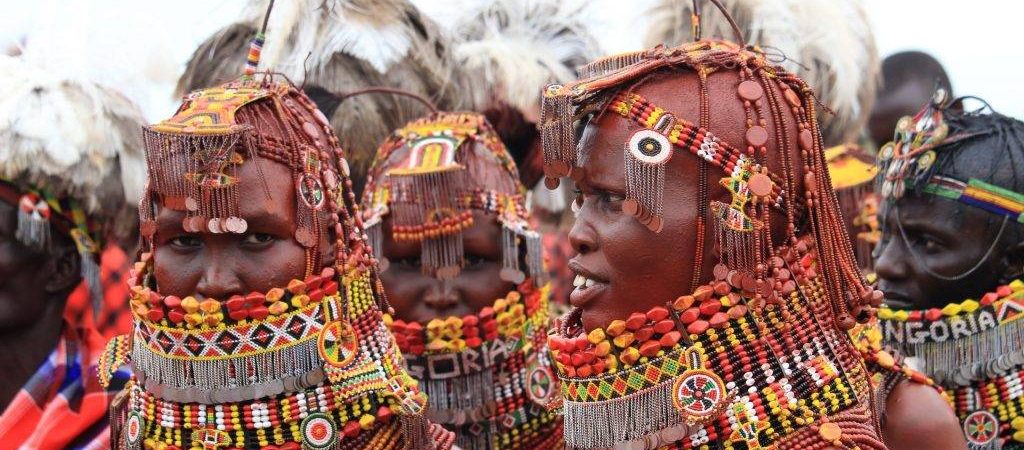
Community tourism here requires local mediation. Ask before photographing people, manyattas, livestock, or ceremonies. Pay fairly through agreed community structures rather than informal handouts that bypass hosts. The best visits feel like guided conversation around daily life — grazing routes, beadwork, architecture, food — not staged intrusion.
Safety and route advice
Travel with current operator guidance on roads and community access. Do not wander remote mountains or villages unaccompanied. A high-clearance 4×4 and experienced driver matter on Karamoja tracks, especially in wet months linking Moroto, Kaabong, and Kidepo.
Combining with other Uganda destinations
Strong combinations link Karamoja with Kidepo and Kidepo Savannah Plains game drives, eastern routes through Sipi Falls and Mount Elgon, or northern legs via Gulu toward Murchison. Western primate circuits (Kibale, Bwindi) sit far away — build Karamoja as a dedicated northeastern chapter, not a day trip from Fort Portal.
Rock art, markets, and slow travel philosophy
Rock art and ancient occupation sites across eastern Karamoja require custodian guides and variable access — treat them as curated cultural archaeology, not open GPS pins. Weekly markets in Moroto and Napak supply food, beadwork, and route intelligence when you stay long enough to learn weekly rhythms. Karamoja punishes checklist tourism; it rewards travelers who accept empty midday hours, campfire conversations, and routes that change when rain closes a track.
Accommodation style and packing
Lodging ranges from Apoka safari camps to simple Moroto guesthouses and community camps on mountain routes — match expectations to route style. Pack sun protection, sturdy boots, headtorch for camp nights, and modest clothing for manyatta visits. Cash helps for community fees and tips where card terminals disappear beyond Gulu.
Where to read next
Wildlife and reserves: Karamoja wildlife.
Birding: Karamoja bird watching.
Seasons: best time for Karamoja.
Access: how to get to Karamoja.
Main Karamoja Region destination guide — hub overview, sample routes, and nearby combinations.