Top things to do at Batwa Cultural Experience
The Batwa Cultural Experience near Bwindi Impenetrable National Park and Mgahinga Gorilla National Park is one of Uganda's most meaningful community tourism offerings. Unlike wildlife checklist safaris, these programs centre on Batwa forest heritage — ancestral hunting and gathering knowledge, displacement when parks were gazetted in the early 1990s, music, storytelling, and living efforts to preserve culture through dignified employment. Most travelers encounter Batwa experiences as purposeful extensions to gorilla trekking itineraries rather than standalone day trips from Kampala.
Mgahinga Batwa Trail — the flagship forest walk
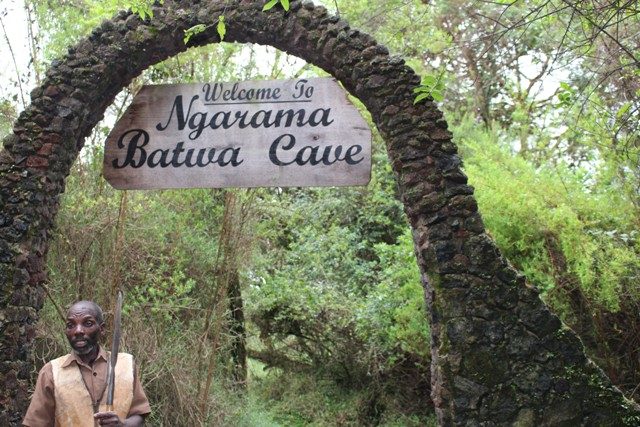
The best-known formal program is the Batwa Trail in Mgahinga, typically a half-day guided forest walk led by Batwa community members. Guides demonstrate traditional skills — fire-making, archery, honey gathering, medicinal plant use — while explaining how the Virunga–Bwindi forest functioned as home before protected-area boundaries changed livelihoods. The walk often concludes with cultural performance, frequently near Garama Cave, where song and dance carry historical weight rather than tourist novelty.
Revenue from the Batwa Trail is structured to benefit Batwa communities directly when booked through approved channels. Travelers base in Kisoro town or Mgahinga-area lodges and arrange the walk through park booking systems or licensed operators. Allow a half-day including transfer and performance — not a rushed hour between golden monkey tracking and volcano hikes.
Bwindi sector community walks and village programs
Near Bwindi, Batwa-related experiences vary by sector — Buhoma, Ruhija, Rushaga, and Nkuringo each work with different community partners. Program names, fees, and routes change as partnerships evolve, so confirm current options when you book gorilla lodges rather than assuming one national standard. Some walks emphasise forest margins and plant knowledge; others add village visits, craft demonstrations, or music sessions on community land adjacent to the park.
Your lodge or safari planner is the practical booking channel. Driving between Bwindi sectors for culture alone rarely makes sense on tight gorilla calendars — base yourself in one sector, book Batwa locally, and treat inter-sector transfers as multi-day logistics rather than same-morning hops.
Cultural performance, music, and storytelling
Batwa performances — song, dance, and oral history — are not optional entertainment tacked onto a walk. They transmit memory of forest life, spiritual relationship with landscape, and the trauma of eviction. Responsible visitors listen attentively, applaud sincerely, and avoid treating performers as photo props. Ask before filming individuals, especially children. The best experiences feel like exchange: you bring respectful attention; guides and performers bring expertise and honesty.
Storytelling sessions may cover creation narratives, clan history, and practical forest literacy — which fruits were seasonal, which plants treated fever, how shelters were built from available materials. This context deepens gorilla conservation debates: you understand why habitat protection and community livelihoods remain linked policy questions in the Kigezi Highlands.
Traditional skills demonstrations
Demonstrations vary by program but commonly include bow and arrow techniques adapted to steep volcanic slopes, trapping methods, fibre weaving, and shelter construction using forest materials. Guides explain processes step by step rather than rushing through a checklist. Photographers should capture demonstrations and landscape with dignity — wide shots of performance circles often work better than intrusive close-ups without permission.
Do not treat medicinal plant demonstrations as invitations to self-medicate. Forest chemistry is real; ingest nothing without explicit guide instruction. Support craft sales when quality matters to you, but avoid aggressive haggling over items representing primary household income.
Combine with gorilla trekking and golden monkey tracking
Most travelers pair Batwa experiences with Bwindimountain gorilla trekking or Mgahinga gorilla and golden monkey permits. Batwa walks require separate community fees — they are not included in UWA gorilla permits. Schedule Batwa on rest days after demanding treks, or on arrival days before briefings, rather than stacking forest pursuits on one calendar morning unless fitness and timing genuinely allow.
Mgahinga itineraries sometimes sequence golden monkey tracking, Batwa Trail, and volcano viewpoints across adjacent days. Bwindi itineraries may add Batwa beside sector-specific lodge activities, Lake Mutanda kayaking, or Kisoro market visits. Tell your planner if cultural depth is a priority equal to primate trekking — that framing affects night counts and drive sequencing.
Lake Mutanda, Kisoro, and Kigezi scenic extensions
Half-day Batwa programs fit naturally into broader Kigezi routes. Lake Mutanda offers dugout canoeing and volcano views that complement forest heritage mornings. Kisoro supplies markets, fuel stops, and guesthouse bases for Mgahinga guests. Lake Bunyonyi and Kabale extend multi-day southwestern circuits when you have time beyond gorilla-focused minimums.
Echuya Forest Reserve between Kabale and Kisoro adds Albertine Rift birding on longer routes. None of these replace Batwa interpretation, but they prevent reducing southwestern Uganda to permit logistics alone.
Craft purchases and community benefit
Many programs include opportunities to buy baskets, carvings, jewellery, or textiles made by Batwa artisans and neighbouring community members. Purchases directly support households when priced fairly. Prefer buying through program channels rather than informal roadside pressure. Ethical operators explain how fees split between guides, performers, and community funds — ask if transparency matters to you.
Photography and respectful engagement
Photography is compelling — human storytelling, forest texture, performance colour — but etiquette matters. Ask before close portraits. Avoid flash during indoor or cave performances unless guides permit it. Put the camera down during heavy historical narrative; presence communicates respect more than another image file. Children should never be photographed without guardian consent.
Planning a purposeful half-day
Confirm program name, fee, meeting point, duration, and trail difficulty when gorilla permits are issued. Carry grippy shoes, rain jacket, insect repellent, modest clothing, and small cash for tips where locally appropriate. Share fitness levels with operators — Rushaga and Mgahinga slopes differ from gentler community margins near some lodge access roads.
Read our how to get there, best time to visit, and travel tips pages for route and etiquette detail beyond this activity list.