Eco Safari Guest Camp provides essential eco-camp facilities focused on low environmental impact, safari practicality, and budget traveller needs on the Murchison southern corridor. If you are searching for Eco Safari Guest Camp amenities, Eco Safari Guest Camp facilities, or what to expect from a budget eco camp near Budongo Forest, this guide outlines on-site services and realistic expectations.
Unlike mid-range and luxury Murchison lodges with swimming pools, formal restaurants, and generator-backed power systems, Eco Safari Guest Camp amenities reflect genuine budget eco operations — solar lighting, composting ablutions, communal dining, and minimal infrastructure designed to reduce resource consumption while keeping guests comfortable enough for multi-night safari stays.
Overview of Eco Safari Guest Camp Facilities
Eco Safari Guest Camp facilities are structured around the needs of eco-conscious budget travellers, backpackers, volunteer groups, student parties, and overlanders who accept simpler amenities in exchange for lower cost and smaller ecological footprint.
Key facility categories typically include:
- Solar-powered lighting systems
- Composting or eco-friendly ablution blocks
- Simple banda and safari tent accommodation
- Communal dining shelter or basic restaurant
- Recycling and waste-reduction practices
- Parking for self-drive and overland vehicles
- Safari activity coordination support
- Natural outdoor relaxation areas
The overall experience prioritises authentic camp atmosphere and environmental responsibility over resort-scale comfort.
Solar Power
One of the defining Eco Safari Guest Camp amenities is solar-powered electricity — a core element of the camp's low-impact operational model.
Solar systems typically support:
- Evening lighting in bandas and tents
- Limited communal-area charging for mobile devices
- Basic kitchen and dining area lighting
- Reduced dependence on diesel generators
Guests should expect limited power hours depending on battery storage and weather conditions. In-room electrical sockets are generally not available — device charging is usually handled in communal areas such as the dining shelter, similar to other solar-operated eco camps in remote Uganda locations.
First-time eco-camp guests often find this part of the adventure rather than a hardship — but travellers requiring laptop charging or fan cooling throughout the day should plan accordingly or consider mid-range alternatives with generator backup.
Eco Ablution Facilities
Composting or eco-friendly toilet systems are central to the camp's sustainability positioning — reducing water consumption and sewage impact compared with conventional flush plumbing.
Shared ablution blocks typically include:
- Composting or pit-latrine-style eco toilets
- Shared shower stalls (cold or solar-heated water)
- Basic wash basins
- Natural ventilation design
- Separate facilities for male and female guests where operational layout allows
Staff can provide guidance on composting toilet use for guests unfamiliar with eco-ablution systems. Cleanliness standards vary with camp operations — budget eco properties in remote corridors may not match urban hotel housekeeping, but functional maintenance supports multi-night stays.
Communal Dining
Dining infrastructure at Eco Safari Guest Camp follows a communal camp model rather than formal lodge restaurant service.
The dining area typically supports:
- Breakfast before forest walks or game drive departures
- Simple lunch service or packed lunch preparation on request
- Communal dinner in a shared shelter
- Basic beverage service
- Group meal coordination for student and volunteer parties
Meals are locally inspired and functional — designed to fuel safari activity rather than deliver fine dining. Travellers on packaged safaris usually receive coordinated meal plans; independent guests should confirm inclusion when booking.
Accommodation Infrastructure
Eco Bandas
- Timber and thatch construction with locally sourced materials
- Mosquito nets on all beds
- Solar lamps or limited in-unit lighting
- Basic furnishings and luggage storage
- Shared ablution access nearby
Safari Tents
- Raised platform or ground-level canvas units
- Camp beds with mosquito nets
- Solar lighting
- Shared eco-ablution access
- Shade tree positioning on camp grounds
Campsite
- Designated pitches for guests with own tents
- Access to shared ablution blocks
- Communal dining area use
- Secure parking for overland vehicles
Recycling and Waste Management
Eco Safari Guest Camp typically implements basic waste-reduction practices as part of its environmental ethos:
- Separated waste collection where operational capacity allows
- Minimised single-use plastics compared with conventional lodges
- Composting systems integrated with ablution infrastructure
- Guest education on low-impact camp behaviour
These practices matter on the Murchison corridor where remote locations make waste disposal challenging — responsible camps reduce downstream environmental pressure on the conservation area.
Parking and Vehicle Access
For self-drive travellers, overlanders, and professionally guided safari groups, secure parking is an important practical facility.
Parking supports:
- Private 4x4 safari vehicles
- Overland trucks and camper setups
- Tour operator vehicle staging
- Group transport for student and volunteer programmes
The paved Masindi–Paraa road provides generally reliable access to the southern corridor, though wet-season conditions on approach tracks may require 4x4 capability depending on exact camp positioning.
Safari Activity Coordination
One often-overlooked camp amenity is logistical support for Murchison activities. Eco Safari Guest Camp can typically assist with coordinating:
- Game drive departures via Kichambanyobo Gate and Paraa ferry crossing
- Budongo chimpanzee trekking referrals
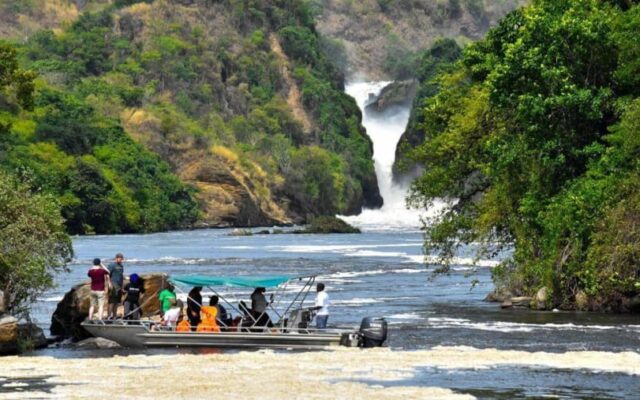
- Nile boat cruise scheduling
- Forest walk and birding arrangements
- Community tourism visits along the Masindi corridor
Activity coordination quality varies by season and staffing — packaged safari bookings through an operator generally produce smoother scheduling than ad-hoc independent requests.
What Eco Safari Guest Camp Does Not Offer
Setting realistic expectations prevents disappointment. The camp does not typically provide:
- Swimming pool or spa facilities
- Air conditioning or in-room fans (solar limitations)
- En-suite private bathrooms
- 24-hour generator electricity
- In-room WiFi or reliable high-speed internet
- Minibar, room service, or daily turndown
- Conference or event facilities
Guests choose Eco Safari Guest Camp for eco-credentials, corridor positioning, and budget pricing — not resort amenities.
Who Benefits Most from These Amenities?
Eco Safari Guest Camp facilities are especially well suited for:
- Eco-conscious budget travellers
- Backpackers and overlanders
- Student and volunteer groups
- Green safari itinerary designers
- Travellers combining Budongo and Murchison on one trip
- Guests who spend most daylight hours on safari activities
Final Verdict on Eco Safari Guest Camp Amenities
Eco Safari Guest Camp amenities deliver honest budget eco infrastructure on the Murchison southern corridor — solar power, composting ablutions, communal dining, and practical safari support without luxury pretension.
If you want genuine low-impact camp facilities at budget rates near Budongo Forest, Eco Safari Guest Camp provides the essentials for a credible eco safari overnight.
Explore Uganda Safaris, Uganda tours, Uganda Safari, and Uganda Safari tours with Lion on the Rocks — your local team for tailor-made wildlife itineraries.