Bird watching at Kalinzu Forest Reserve
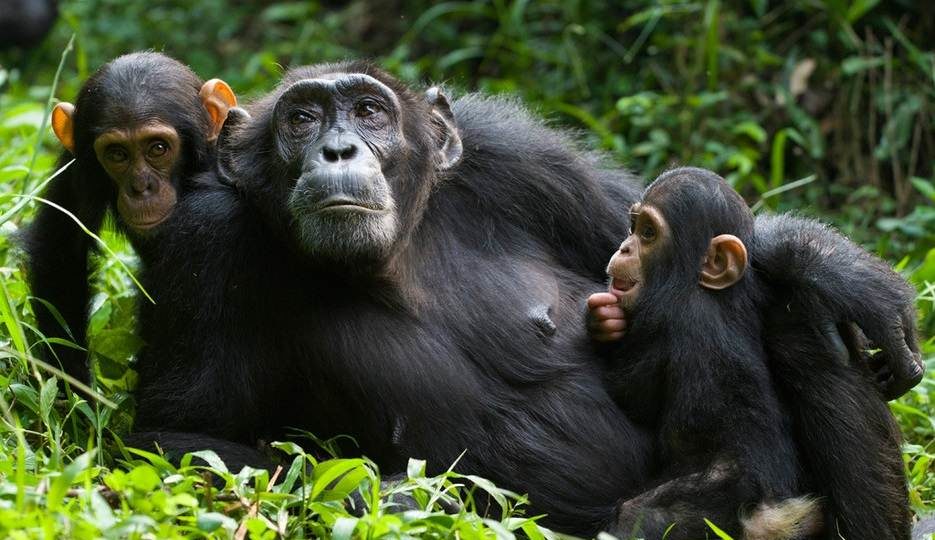
Bird watching in Kalinzu Forest Reserve pairs naturally with chimpanzee tracking and guided forest walks near Queen Elizabeth National Park. The reserve's mid-elevation forest holds species scarce on open Kasenyi plains — a vertical habitat layer worth adding to western itineraries that already include savannah game drives and Kazinga Channel waterbirds.
Forest species and understory birds
Trails may produce great blue turaco, black-billed turaco, various greenbuls, white-naped pigeon, woodpeckers, flycatchers, and sunbirds in flowering canopy gaps. Crowned eagle and other forest raptors occur for patient scanners. Exact lists depend on season, guide skill, and whether you walk slowly after a chimp trek or book a bird-focused morning.
Additional targets on slower walks include yellow-spotted barbet, blue-throated roller where range overlaps, white-headed wood hoopoe, and multiple cisticolas and warblers in forest-edge gaps. Nightjar and owl possibilities interest specialists on extended stays — confirm whether reserve rules allow night access before planning.
Kalinzu is not Bwindi altitude — Albertine Rift endemics overlap partially, not completely. Serious listers may still want Bwindi or Mgahinga for strict Albertine targets; Kalinzu fills the Queen Elizabeth forest niche efficiently.
Comparison with Kibale and Kyambura
Kibale National Park remains Uganda's flagship primate-forest birding site with longer specialist history. Kyambura Gorge adds rift-scenery chimps and gorge birds. Kalinzu trades gorge drama for reserve accessibility from Queen Elizabeth lodges — valuable when drive time to Kibale would cost a full game day.
When and how to bird Kalinzu
Dawn to mid-morning suits forest activity. After chimps, ask guides for a slower return route if species ID interests you — many trekkers rush out once primates are found. Carry 8×42 binoculars, a Uganda field guide, rain gear, and insect repellent.
Forest acoustics challenge beginners — practice locating calls before the trek so chimp excitement does not erase bird awareness. Recording apps help review unfamiliar songs back at lodge; playback in forest should follow guide ethics and reserve rules.
Combine with Queen Elizabeth waterbirds on Kazinga Channel cruises and savannah raptors on Kasenyi drives for a three-habitat day only if pacing allows — otherwise spread habitats across separate mornings.
Gear and guide choice
Birding-focused guides add value for similar-looking greenbuls and secretive understory species. Casual visitors still enjoy turacos and colorful common birds without formal list-keeping.
Building a three-habitat Queen Elizabeth day
Ambitious listers sometimes stack Kasenyi savannah dawn, Kalinzu forest mid-morning, and Kazinga Channel afternoon — only with realistic drive math and lodge sector alignment. Most travelers spread habitats across separate days for better pacing and higher success with chimps and cats respectively.
Primates and ecology on wildlife at Kalinzu; seasons on best time to visit; routing on how to get there.
Savannah–forest birding contrast on one itinerary
Queen Elizabeth listers often exceed a hundred species on multi-day plans by combining Kasenyi grassland raptors, Kazinga waterbirds, and Kalinzu forest turacos — Kalinzu supplies the mid-elevation forest layer Kibale would also provide, without leaving the park region. Note flowering and fruiting trees on trails; sunbirds and white-headed wood hoopoe follow seasonal resources.
Beginner birders on chimp treks
Even travelers focused on chimps usually remember great blue turaco flyovers and hornbill calls — carry binoculars on primate days regardless of primary goal. Guides appreciate visitors who pause for obvious forest birds rather than rushing past to maximize chimp minutes only.
Migrants and seasonal supplements
Palearctic migrants occasionally supplement Kalinzu lists October–March on forest edges — less dramatic than Lake Victoria wetland migrations but worthwhile for listers stacking Queen Elizabeth habitats across a week. Resident turacos, greenbuls, and woodpeckers remain the core forest draw year-round.
Request a birding-paced return walk when chimps are found early — rangers sometimes accommodate slower descent if group interest is mixed.