Best time to visit Kalinzu Forest Reserve
Unlike gorilla permits that sell out in peak months, Kalinzu Forest Reserve chimp tracking is often easier to slot into a Queen Elizabeth National Park week — yet quality still depends on trail conditions, primate movement, and whether you stack Kalinzu beside Kazinga cruises and Kasenyi drives on the same day.
Dry season vs rainy season
Uganda's broadly drier windows — June to September and December to February — firm up forest trails and simplify driving from Queen Elizabeth lodges. Chimps range year-round; drier paths reduce slip risk on slopes. Peak international travel fills Queen Elizabeth lodges — book chimps and guides when you confirm park nights.
Rainy periods around March to May and October to November bring mud, leeches in wet weeks, and heavier insect presence — yet fruiting and flowering can concentrate primates and birds. Treks still run with appropriate footwear and realistic pacing. Afternoon showers may interrupt only if you scheduled too tightly against park activities.
Time of day
Morning chimp departures are standard — cooler forest, active primates, and daylight for trail safety. Afternoon forest walks or birding are possible on custom days but less common when visitors game-drive in Queen Elizabeth the same day.
Queen Elizabeth itinerary fit
Kalinzu suits mid-Queen Elizabeth stays — a chimp morning between savannah and boat days. Compare with Kyambura Gorge permits if gorge scenery matters; compare with Kibale if you have Fort Portal nights available. Kalinzu wins on drive efficiency from Mweya and Ishaka-area bases.
Fruiting seasons and chimp movement
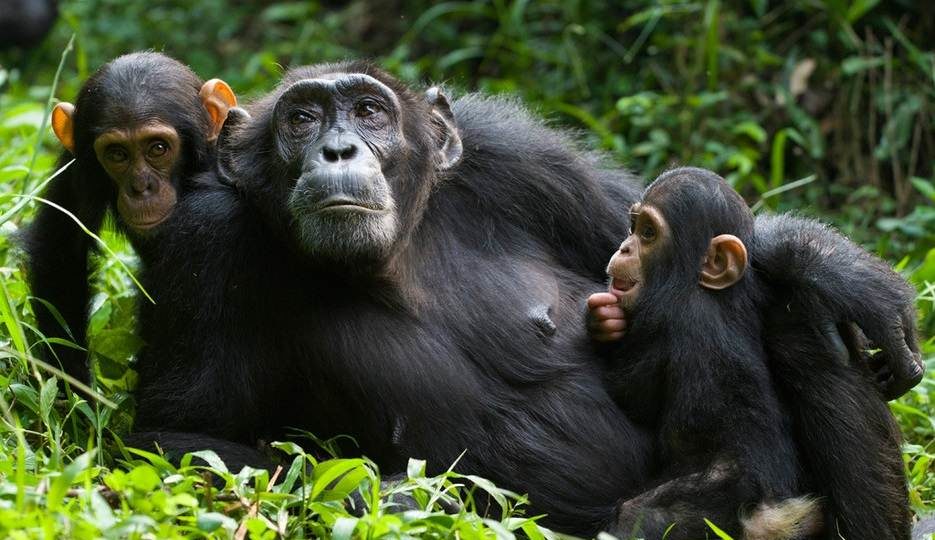
Chimp success correlates loosely with fruit availability — rainy months sometimes concentrate feeding in accessible trees; dry months may spread groups across larger ranges. Rangers adjust start times and trail choice daily; travelers should treat each trek as independent rather than expecting yesterday's nest site to repeat.
Month-by-month snapshot
January–February: Often drier trails, strong general trekking; busy park season.
March–May: Muddier paths, lush forest, flexible scheduling.
June–August: Drier, peak travel — book Queen Elizabeth and chimp slots early.
September: Transition — still workable.
October–November: Rainier forest conditions possible.
December: Holiday lodge demand; morning treks recommended.
Access on how to get there; wildlife on wildlife and bird watching.
Leeches, insects, and wet-season trekking
Rainy-month treks may encounter leeches on lower trail sections — long socks tucked into boots and repellent on ankles reduce annoyance. Forest humidity stresses cameras; zip bags and silica packs help. Rangers sometimes shorten routes during heavy downpours — accept safety decisions rather than insisting on full loops.
Stacking Kalinzu with Kyambura and Kazinga
Three-day Queen Elizabeth plans often allocate day one to Kasenyi and channel, day two to Kalinzu chimps, day three to Kyambura Gorge or repeat game drives — avoid booking all three on one day unless drive times are verified from your lodge sector. Shoulder seasons (May, November) may offer easier permit availability with muddier trails.
International peak travel and lodge pressure
June–August and December lodge demand at Queen Elizabeth raises the importance of pre-booking chimp slots when Kalinzu is non-negotiable on your primate checklist. Last-minute additions fail when park weeks are fully scheduled with game drives and boat cruises already fixed.
Photography light in forest understory
Closed-canopy light is dim even at midday — raise ISO expectations for chimp and bird photography. Flash is restricted around primates; fast primes and steady hands outperform pop-up flash in ethical viewing conditions.
Same-day game drive pairing
Afternoon Kasenyi drives after Kalinzu chimps work when lodge sectors keep drives under ninety minutes — Ishasha-based travelers should verify math before committing. Boat cruises pair better with morning chimps than late savannah starts in peak heat.
Forest trails dry slowly after rain — morning starts on day-after-downpour treks may still be muddy despite clear skies.