How to get to Fort Portal
Fort Portal is the principal city of the Tooro Kingdom in western Uganda — a green regional hub where most travelers arrive by road en route to Kibale National Park, the Crater Lakes Region, Queen Elizabeth National Park, or Bwindi gorilla trekking. There is no commercial airport in town; access means highway transfer from Kampala, Entebbe, or connecting safari legs.
From Kampala and Entebbe
The common route from Kampala runs west via Mubende to Fort Portal on tarmac highways — typically five to six hours driving time in good conditions, longer with breaks or traffic leaving Kampala. From Entebbe, add airport-to-Kampala transfer time before the western leg. Many itineraries fly into Entebbe, overnight, then drive west with a guide and 4×4 vehicle the next day.
Self-drive travelers can reach Fort Portal on rental cars; organized safaris bundle driver-guide, fuel, and park logistics — valuable when chaining Kibale permits and lodge check-ins same day.
From Kibale National Park
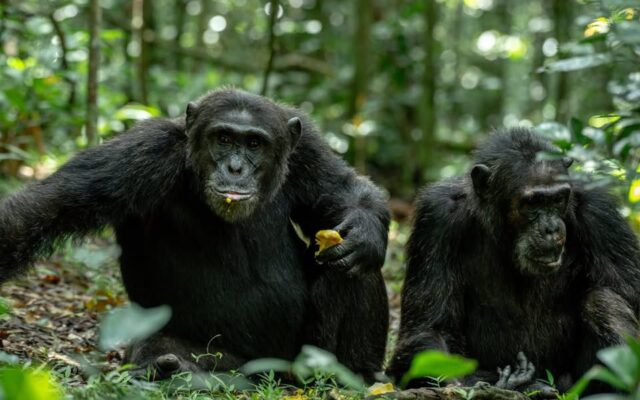
Kibale National Park trailheads lie a short drive from Fort Portal — often thirty to sixty minutes depending on lodge and sector. Crater-lakes lodges may sit closer to forest gates than city-centre hotels. Confirm drive time to your specific chimp trekking point when booking accommodation.
From Queen Elizabeth and southwest
South from Fort Portal, the Kasese–Queen Elizabeth corridor connects to Queen Elizabeth National Park — roughly two to three hours to main sectors depending on lodge and road choice. Travelers continuing to Bwindi often route Fort Portal → Queen Elizabeth (optional wildlife break) → Bwindi, or Fort Portal → Kasese → southwest — multi-day arcs, not same-day rush.
From Murchison Falls and north
Northern approaches via Hoima or Albertine rift roads are possible on specialist itineraries linking Murchison Falls to western Uganda. These are longer, less standard routes — plan with an operator familiar with current road conditions.
Local transport around Fort Portal
Within the Fort Portal area, visits to Bigodi, Amabere Caves, and crater lakes require vehicle hire or tour transport. Boda-boda exist in town but forest and swamp trailheads need proper planning — not improvised motorbike trips with luggage.
Practical checklist
Confirm Kibale permit times before fixing Fort Portal hotel location. Carry cash for tips and community sites. Mobile coverage is generally workable in town; forest sectors vary. Fuel in Fort Portal before crater-lake loops or remote rim lodges.
Charter flights and alternative entries
Some high-end itineraries charter to Kasese or other western airstrips, then road transfer to Fort Portal — reducing Kampala traffic when budgets allow. Road remains default for most travelers; charter is timing luxury, not requirement.
Crater-lakes lodge pickup logistics
Lodges on remote rims may require 4×4 pickup from Fort Portal town — confirm whether your property expects self-drive high clearance or provides transfer. Wet-season rim roads punish sedans; rainy-week bookings should verify vehicle class with lodge ops before arrival.
Western Uganda loop geometry
Classic loops run Entebbe → Lake Mburo optional → Fort Portal (Kibale) → Queen Elizabeth → Bwindi → return — Fort Portal sits mid-arc. Reversing direction works; permit calendars must move with direction. Avoid Fort Portal detours if chimps are not priority — geometry saves days.
Public transport versus safari vehicles
Backpackers reach Fort Portal on public coaches from Kampala — viable for budget travelers with flexible time. Kibale, Bigodi, and crater lakes still need local hire or tour day trips from town; public transport does not replace forest access logistics.
Self-drive rental and park permit coordination
Self-drive travelers reaching Fort Portal on rental cars should confirm Kibale permit reporting points before choosing hotels — some trailheads expect arrival at Kanyanchu or other gates with UWA paperwork ready. GPS pins for crater-lake lodges often mislead on narrow rim roads; get lodge staff to share voice directions or meet points for rainy-season arrivals.
Fuel in Fort Portal before multi-day western loops — stations thin toward Semuliki and remote crater rims. Carry spare cash for community site fees at Bigodi and Amabere where card terminals may not exist.
Sample western loop drive times
Fort Portal to Queen Elizabeth Katunguru area: often two and a half to three and a half hours depending on lodge and stops. Fort Portal to Bwindi Buhoma sector via Kasese: commonly four to five hours — plan as transfer day, not chimp morning plus gorilla afternoon. Fort Portal to Semuliki park headquarters: roughly two hours in dry conditions — longer when rift floor tracks soften.
Seasonal notes on Fort Portal best time to visit; ecology on wildlife and bird watching.