Wildlife and forest ecology at Echuya Forest Reserve
Most travelers pass Echuya Forest Reserve on the scenic Kabale–Kisoro highway without stopping — yet this highland bamboo and montane forest between Kabale and Kisoro protects habitat that southwestern Uganda's gorilla parks cannot fully represent. Covering roughly 34 square kilometers as Echuya Central Forest Reserve, the block combines mountain bamboo zones, montane forest, and the important Muchuya swamp — a wetland interface that supports birds, amphibians, and forest-edge mammals in the Albertine Rift highlands.
Echuya is not Bwindi Impenetrable National Park or Mgahinga Gorilla National Park — there are no gorilla permits here. Wildlife viewing is quiet forest-scale: monkeys in canopy, duikers in undergrowth, rich birdlife, butterflies on trail edges, and the ecological story of how bamboo succession and swamp hydrology shape highland forests travelers glimpse from the road.
Primates and forest mammals
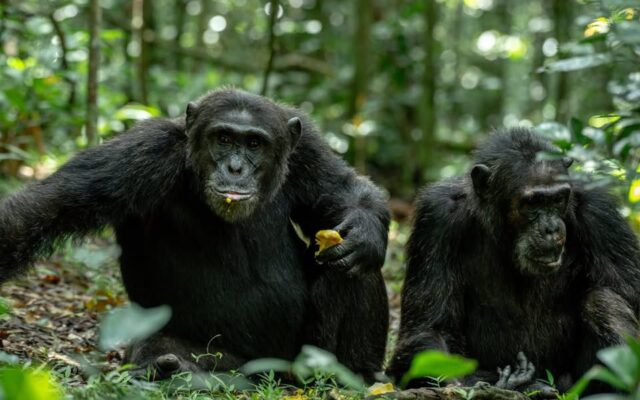
Echuya Forest Reserve wildlife includes primates such as blue monkey, black-and-white colobus, and occasional L'Hoest's monkey in suitable forest sections. Chimpanzees are not the headline — gorilla trekkers should keep Bwindi and Mgahinga expectations separate. Duikers, rodents, and smaller mammals occur in thick cover; direct sightings are often brief compared with primate treks in neighboring parks.
Forest elephants are not a realistic Echuya expectation. The value is habitat diversity on transfer days — a guided walk or community ecotourism morning between lake lodges and volcano briefing points adds forest context without another permit fee.
Muchuya swamp and wetland ecology
Muchuya swamp is Echuya's distinctive wetland component — swamp-fringed forest where hydrology, peat-influenced margins, and highland climate create bird and amphibian habitat unlike dry bamboo slopes above. Guides interpret how swamp health connects to downstream water and community use in the Kigezi highlands. Wet boots and respectful boardwalk or trail etiquette matter; swamp edges are sensitive to trampling and litter.
Compared with Bigodi Wetland Sanctuary community swamp walks, Echuya's Muchuya context is more montane and less papyrus-dominated — complementary, not duplicate, on a western Uganda route.
Bamboo forest and Albertine Rift context
Echuya's mountain bamboo zones echo Mgahinga's bamboo belt but at a lower tourism profile. Bamboo supports specialized birds and invertebrates; golden monkey habitat in Mgahinga is the headline bamboo primate nearby — Echuya adds broader forest ecology without golden monkey permit logistics. The reserve sits in the Albertine Rift biodiversity hotspot; forest patches here contribute to regional connectivity between southwestern forest blocks.
Batwa heritage and community context
Communities including Batwa and Bakiga surround Echuya. Batwa historically used forest resources across the Kigezi highlands; conservation zoning and park expansion created complex social histories now addressed partly through community ecotourism and cultural programming. Responsible visits choose community-led interpretation — not drive-by forest stops without local benefit.
Pair Echuya field time with ethical Batwa experiences connected to Mgahinga or Bwindi when cultural depth matters on gorilla itineraries. Ask before photographing people; support guides and crafts that employ forest-edge communities fairly.
Responsible forest visits
Stay on guided trails, avoid litter, do not collect plants or disturb primates for photos. Echuya is a working forest reserve with extraction history and management rules — not an open wilderness. Hire authorized community guides for walks and Muchuya swamp interpretation. Waterproof footwear helps on muddy bamboo and swamp-margin trails year-round.
How Echuya fits a wider Uganda safari
Most itineraries treat Echuya as a half-day or transfer-day stop on Kabale–Kisoro routes between Lake Bunyonyi, Kigezi Highlands viewpoints, Mgahinga volcano trekking, and Bwindi gorilla sectors. Birders and conservation travelers gain disproportionate value; rushed gorilla-only routes may skip it — but two to three hours with a guide transforms a scenic drive into purposeful forest time.
For deeper planning, see our guides on Echuya Forest Reserve bird watching, best time to visit, and getting there on the Kabale-Kisoro road.
Forest connectivity in the Kigezi highlands
Echuya contributes to forest connectivity between southwestern blocks — not an isolated patch but part of a highland landscape linking farmland, bamboo, and montane forest across Kigezi Highlands ridges. Conservation travelers note how buffer-zone farming and tea plots press on reserve edges; responsible tourism supports community ecotourism that values standing forest over short-term extraction.