Is East Madi Wildlife Reserve worth visiting?

Yes when it fits your route and interests — especially for northern Uganda conservation travel, savannah-woodland birding, and Madi landscape context beyond Murchison alone.

Where is East Madi Wildlife Reserve located?

In northern Uganda's Madi landscape east of the Albert Nile corridor, useful on routes linking Murchison, Adjumani, and West Nile — exact access should be planned with local operators.

What can I do at East Madi Wildlife Reserve?

Guided savannah-woodland drives or walks where access permits, birding, photography, and conservation interpretation on specialist northern routes.

Do I need a guide for East Madi Wildlife Reserve?

Strongly recommended — local interpretation, access, safety, and route context are essential in a lightly developed reserve.

What is the best time to visit East Madi Wildlife Reserve?

Dry months simplify access; morning visits beat afternoon heat. Confirm seasonal track conditions before travel.

Can East Madi be added to a Uganda safari?

Yes on custom northern itineraries combining Murchison, Pakwach, West Nile, or Adjumani routing — not typically on first-time southern Uganda-only routes.

How does East Madi compare to Ajai Wildlife Reserve?

Both are quieter Madi-area reserves. Ajai sits on West Nile rhino conservation routes; East Madi suits eastern Madi geography toward Adjumani. Choose by routing, not only wildlife lists.

Is East Madi safe?

Visit with reputable operators and authorized guides on confirmed access routes. Standard northern Uganda travel precautions apply — sun, insects, rural roads, and heat management.

What wildlife should I realistically expect?

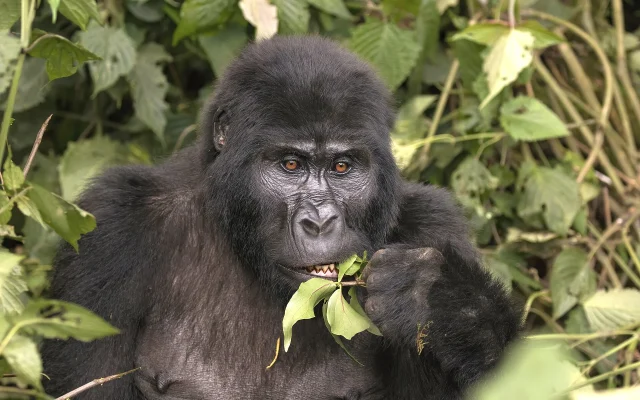
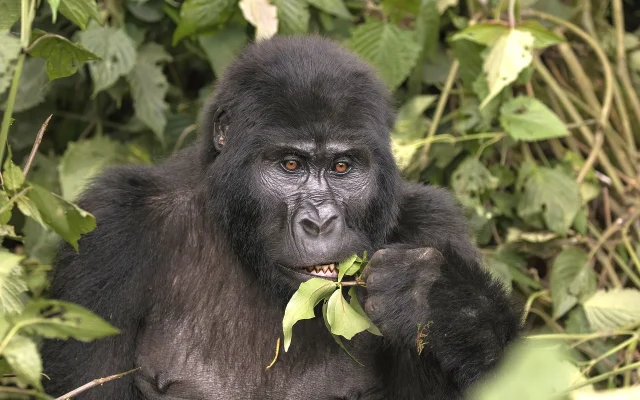
Scattered antelope, warthog, primates in woodland, and strong birding potential — not Murchison-density elephant and buffalo viewing on short visits.

Can I camp at East Madi Wildlife Reserve?

Formal tourism camping is limited compared with national parks. Most visitors day-trip from Murchison bases or northern towns — confirm current UWA or operator options before planning overnight field camps.

What should I pack for East Madi?

Binoculars, sun protection, insect repellent, water, hat with neck cover, and neutral field clothing. Long sleeves help on open woodland mornings.

Is East Madi good for photography?

Savannah-woodland light and wetland margins can reward patient photographers — expect scattered wildlife, not guaranteed close mammal frames like Murchison.

Who should skip East Madi?

First-time visitors wanting guaranteed big-game density, travelers without northern route time, or anyone unwilling to use local guides and flexible access confirmation.

Can East Madi support multi-day northern birding?

Usually as one or two mornings within a wider Murchison–West Nile block — not a standalone multi-night birding base like Murchison river and savannah combinations.

Should I carry medical evacuation insurance for East Madi?

Northern reserve margins are far from advanced hospitals — discuss evacuation plans with operators if you have serious medical conditions before adding East Madi beyond standard Murchison zones.

Is East Madi accessible in the rainy season?

Sometimes, with flexible routing and local access confirmation. Flooded tracks and afternoon storms may limit driving — morning-only visits often work best between showers.

How does East Madi fit a West Nile itinerary?

As an eastern Madi stop when routing toward Adjumani and West Nile — paired with Murchison and Pakwach logistics rather than as a standalone destination.

Most questions about East Madi come from travelers building northern Uganda routes — people who want Madi landscape context beyond Murchison but need honest answers on access, wildlife density, and whether the reserve fits before West Nile extensions.

East Madi Wildlife Reserve — questions travelers ask before booking

East Madi Wildlife Reserve occupies a specialist niche in Uganda travel: a northern savannah-woodland reserve in the Madi landscape, useful for conservation routes, birding, and journeys between Murchison Falls, Adjumani, and the West Nile sub-region. It is not a lodge-based flagship park. Understanding dispersed northern wildlife and access realities upfront prevents expecting Murchison-density game drives in a quieter reserve setting.

The site works best on purposeful northern extensions when routing passes the area — paired with Murchison, Pakwach Nile corridor logistics, Ajai Wildlife Reserve on West Nile specialist routes, or Arua gateway nights.

Wildlife expectations and guides

East Madi holds real wildlife — Uganda kob, oribi, bushbuck, warthog, primates, wetland-edge species — but sightings are typically scattered compared with Murchison. Local guides who know seasonal movements and access routes are essential. Confirm current visiting arrangements with UWA or trusted operators; reserve tourism infrastructure remains limited.

Itinerary fit and timing

Most visitors allow a half day or dedicated morning when routing permits — not multiple nights unless building a specialist northern conservation itinerary. Dry-season mornings deliver the best field conditions; rainy weeks demand flexible access confirmation.

Where to read next

Wildlife and ecology: East Madi wildlife.
Birding: East Madi bird watching.
Seasons: best time for East Madi.
Routes: how to get to East Madi.

The main East Madi Wildlife Reserve destination guide covers hub overview and nearby northern combinations.

Conservation travelers and research context

East Madi appeals to conservation donors and students documenting northern reserve recovery — not only holiday birders. If your visit supports research or community partnerships, coordinate with UWA and local institutions before travel so field time aligns with management priorities rather than informal drive-bys that consume staff time without benefit.
East Madi safaris

View all packages