Related cultural guides
Ankole Cultural Tours offer travelers an extraordinary opportunity to experience one of Uganda’s most celebrated cultural regions. Located in southwestern Uganda, the Ankole region is renowned for its stunning landscapes, rich traditions, magnificent long-horned cattle, royal heritage, traditional cuisine, pastoral lifestyles, and warm hospitality. For visitors seeking authentic cultural experiences beyond wildlife safaris and gorilla trekking, Ankole provides a fascinating journey into one of East Africa’s most distinctive cultural identities.
The region is home to the Banyankole people, whose history, customs, social structures, and economic activities have shaped southwestern Uganda for centuries. Through carefully designed Ankole cultural tours, visitors gain firsthand insights into traditional cattle keeping, royal traditions, local food preparation, music and dance, community life, and the enduring cultural values that continue to define Ankole society.
Ankole is also one of Uganda’s most scenic regions, characterized by rolling hills, vast cattle ranches, fertile farmlands, crater lakes, and breathtaking countryside. This combination of cultural heritage and natural beauty makes Ankole an ideal destination for travelers seeking meaningful cultural immersion and authentic local experiences.
Where Is Ankole Located?
The historical Ankole Kingdom is located in southwestern Uganda and includes areas that today fall within districts such as Mbarara, Kiruhura, Isingiro, Ibanda, Ntungamo, Bushenyi, Sheema, and surrounding regions. The area is easily accessible from Kampala and is often included in itineraries that also visit Lake Mburo National Park, Bwindi Impenetrable National Park, and Queen Elizabeth National Park.
The region’s fertile soils, favorable climate, and extensive grazing lands have supported agricultural and pastoral communities for generations, contributing to the development of a unique cultural identity centered around cattle and community.
Who Are the Banyankole?
The Banyankole are among Uganda’s largest ethnic groups and are traditionally divided into two historical communities: the Bahima, who were primarily pastoralists, and the Bairu, who were mainly agriculturalists. While modern life has brought significant changes, these historical distinctions remain important in understanding Ankole’s cultural heritage.
Cattle have long played a central role in Ankole society, influencing social status, marriage customs, ceremonies, economic activity, and cultural identity. The famous Ankole long-horned cattle remain one of the most recognizable symbols of the region and continue to attract visitors from around the world.
The Banyankole language, Runyankole, is widely spoken throughout the region and serves as an important cultural link connecting communities across southwestern Uganda.
Why Choose Ankole Cultural Tours?
An Ankole Cultural Tour offers visitors an opportunity to experience authentic traditions that have been preserved and adapted over centuries. Unlike museum exhibits or staged performances, many experiences take place within living communities where traditions remain part of everyday life.
Travelers can interact with cattle keepers, visit traditional homesteads, learn about milk processing techniques, experience local cuisine, participate in cultural performances, and gain a deeper understanding of the values that continue to shape Banyankole society.
These tours also support community-based tourism initiatives that contribute to cultural preservation and sustainable local development.
The Famous Ankole Long-Horned Cattle
No discussion of Ankole culture is complete without mentioning the iconic Ankole Long-Horned Cattle. These magnificent animals are famous for their enormous horns, graceful appearance, and cultural significance.
For centuries, cattle have been central to social life in Ankole. They have traditionally represented wealth, prestige, social status, and family prosperity. Cattle continue to play important roles in ceremonies, marriage negotiations, cultural celebrations, and community identity.
Visitors on cultural tours often have opportunities to visit cattle farms, interact with herders, learn about livestock management practices, and photograph these extraordinary animals.
Traditional Cattle Keeping Experience
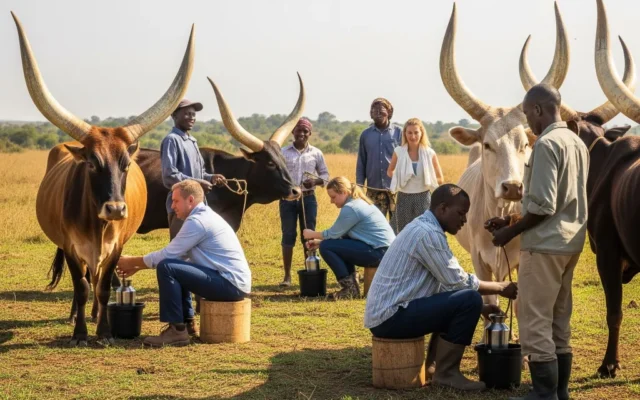
One of the most popular activities during an Ankole Cultural Tour is participating in a traditional cattle-keeping experience. Visitors accompany local herders as they care for cattle, learn about grazing systems, observe milking routines, and discover the cultural importance of livestock.
Guides explain how cattle are identified, managed, and valued within the community. Travelers also learn about traditional veterinary knowledge, grazing practices, and the role cattle play in social and economic life.
This experience provides valuable insights into one of Africa’s most famous pastoral traditions.
Ankole Kingdom and Royal Heritage
The historical Ankole Kingdom played an important role in shaping the region’s political and cultural development. Although Uganda’s traditional kingdoms no longer exercise political authority, they remain important cultural institutions that preserve heritage and promote cultural identity.
Visitors may learn about the kingdom’s history, governance structures, royal traditions, succession systems, and cultural ceremonies. Historical sites and cultural centers often provide valuable context for understanding the development of Ankole society.
The legacy of the kingdom continues to influence regional identity and cultural pride.
Traditional Music and Dance
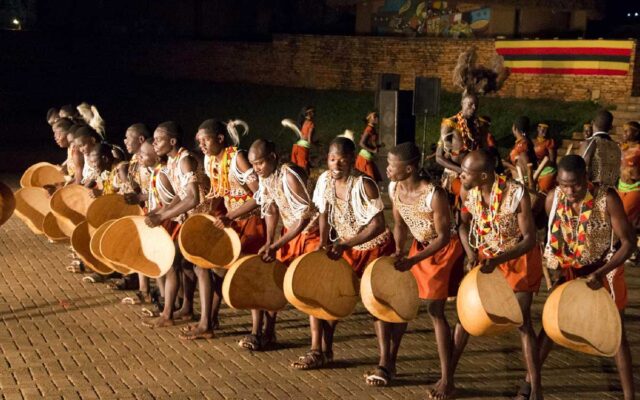
Music and dance are central components of Banyankole culture. Traditional performances celebrate important life events, cultural ceremonies, harvests, weddings, and community gatherings.
The most famous dance associated with Ankole culture is the Ekitaguriro Dance, characterized by graceful movements that imitate the elegance of cattle and reflect pastoral traditions.
Performances often include drumming, singing, storytelling, and traditional instruments that create vibrant cultural experiences. Visitors are frequently invited to participate and learn some of the dance movements.
Ankole Traditional Cuisine
Food provides another important window into the culture of the Banyankole. Traditional cuisine reflects the region’s pastoral and agricultural heritage and emphasizes locally produced ingredients.
Popular foods include millet bread, matooke, sweet potatoes, beans, vegetables, meat dishes, and dairy products. Milk has historically held special significance in Ankole culture and remains an important dietary staple.
Visitors often participate in cooking demonstrations that showcase traditional preparation methods and explain the cultural significance of various foods.
The Traditional Milk Experience
One of the most unique cultural activities available during an Ankole Cultural Tour is the traditional milk experience. Guests learn about milk production, storage, fermentation, and consumption practices that have been preserved for generations.
Traditional milk gourds, smoking techniques used to preserve containers, and methods of preparing fermented milk are often demonstrated by local community members.
This activity highlights the deep cultural connection between the Banyankole and their cattle.
Traditional Homestead Visits
Visiting a traditional Ankole homestead allows travelers to observe daily life and engage directly with local families. Homestead visits provide opportunities to learn about architecture, family structures, livestock management, agriculture, household responsibilities, and cultural customs.
Guests often receive warm welcomes and opportunities to ask questions about local traditions and contemporary life in the region.
These interactions create meaningful cultural exchanges that go beyond typical sightseeing experiences.
Crafts and Local Artisans
The Ankole region is home to skilled artisans who produce baskets, mats, pottery, carvings, jewelry, and household items using traditional techniques.
Visitors can observe artisans at work, learn about craft production processes, and purchase locally made products that support community livelihoods.
Craft-making traditions contribute to cultural preservation while providing economic opportunities for local families.
Storytelling and Oral Traditions
Like many African societies, the Banyankole have rich oral traditions that preserve history, cultural values, and community knowledge. Storytelling remains an important educational tool and cultural practice.
Elders often share folktales, proverbs, legends, and historical narratives that provide valuable insights into local beliefs and traditions.
Listening to these stories helps visitors understand the values and experiences that have shaped Ankole society over generations.
Cultural Festivals and Community Celebrations
Throughout the year, communities across Ankole host cultural events, festivals, and celebrations that showcase traditional music, dance, cuisine, crafts, and cultural heritage.
These gatherings strengthen cultural identity and provide opportunities for intergenerational learning and community participation.
Visitors attending cultural events often gain deeper insights into the vibrancy and resilience of Banyankole traditions.
Combining Ankole Cultural Tours with Wildlife Safaris
One of the advantages of visiting Ankole is its proximity to several major tourism destinations. Many travelers combine Ankole Cultural Tours with visits to Lake Mburo National Park, Bwindi Impenetrable National Park, and Queen Elizabeth National Park.
This allows visitors to enjoy wildlife safaris, gorilla trekking, birdwatching, and cultural experiences within a single itinerary.
The combination creates a richer and more comprehensive understanding of Uganda’s natural and cultural diversity.
Community Tourism and Sustainable Development
Cultural tourism in Ankole contributes directly to community development by creating opportunities for local guides, performers, artisans, accommodation providers, farmers, and cultural organizations.
Revenue generated through tourism supports cultural preservation initiatives, educational programs, women’s groups, youth projects, and community infrastructure development.
Responsible tourism helps ensure that cultural traditions remain valued while creating meaningful economic benefits for local communities.
Best Time to Visit Ankole
Ankole Cultural Tours can be enjoyed throughout the year. The dry seasons from June to September and December to February generally provide the most comfortable travel conditions.
However, cultural activities and community experiences remain available year-round, allowing visitors to enjoy authentic cultural encounters regardless of season.
What to Pack for an Ankole Cultural Tour
Recommended items include comfortable walking shoes, lightweight clothing, a hat, sunscreen, insect repellent, a camera, a reusable water bottle, and modest attire suitable for community visits.
Travelers should also bring curiosity, respect for local customs, and a willingness to engage with different cultural perspectives.
Who Should Book Ankole Cultural Tours?
Ankole Cultural Tours are ideal for cultural travelers, students, researchers, photographers, anthropologists, educators, families, and anyone interested in learning about East African pastoral traditions.
The tours provide valuable opportunities for cultural immersion, education, and meaningful community engagement.
Tour Inclusions
Most Ankole cultural tour packages include private transportation, accommodation, professional guide services, cultural site visits, community interactions, cultural performances, selected meals, entrance fees, and drinking water during transfers.
Tour Exclusions
Packages generally exclude international flights, visa fees, travel insurance, alcoholic beverages, personal expenses, tips, laundry services, and optional activities not specifically listed in the itinerary.
Why Book Ankole Cultural Tours?
Ankole Cultural Tours provide an authentic and enriching introduction to one of Uganda’s most iconic cultural regions. Visitors gain insights into cattle-keeping traditions, royal heritage, local cuisine, music and dance, community life, and cultural values while supporting sustainable tourism initiatives.
For travelers seeking meaningful cultural experiences and a deeper appreciation of Uganda’s diversity, Ankole offers unforgettable encounters and lasting memories.
Book Your Ankole Cultural Tour
To book a customized Ankole Cultural Tour, simply share your travel dates, interests, accommodation preferences, and group size. Tours can be tailored to focus on cattle culture, traditional cuisine, community experiences, royal heritage, music and dance, photography, or broader cultural exploration depending on your interests.
 Read
Read