
Tipping on Uganda Safari: Complete Guide to Safari Gratuities, Driver Tips, Lodge Etiquette, and Gorilla Trekking Tips
Tipping on Uganda Safari is an important part of travel etiquette that helps recognize good service and supports the livelihoods of people working in the tourism industry. Although tipping is not mandatory in Uganda, it is widely practiced and appreciated across safari lodges, national parks, cultural sites, and transportation services. Understanding how and when to tip ensures a respectful and smooth travel experience while also contributing positively to local communities.
Uganda’s safari industry is built on personalized service, from knowledgeable driver-guides navigating national parks like Queen Elizabeth National Park and Murchison Falls National Park, to porters assisting during gorilla trekking in Bwindi Impenetrable National Park. Tipping is a way of acknowledging this effort and enhancing the overall safari experience.
This detailed guide explains everything you need to know about Tipping on Uganda Safari, including recommended amounts, who to tip, when to tip, gorilla trekking etiquette, lodge practices, and cultural expectations.
Is Tipping Required on Uganda Safari?
No. Tipping is not required or compulsory.
However, it is:
- Highly appreciated
- Common in the tourism sector
- A key supplement to income for many workers
- A gesture of satisfaction for good service
Most safari staff do not expect tips, but they are grateful when they are given.
Why Tipping Matters on Safari in Uganda
Tipping plays an important role in Uganda’s tourism economy.
It helps support:
- Safari driver-guides
- Porters in national parks
- Lodge and hotel staff
- Community guides
- Restaurant and hospitality workers
For many employees, tips form a meaningful part of their monthly income.
Tipping Safari Driver-Guides
Your driver-guide is one of the most important people on your safari.
They provide:
- Wildlife tracking expertise
- Safety and navigation
- Local knowledge
- Itinerary coordination
- On-road assistance
Recommended tipping guideline:
- USD 10–20 per person per day (shared group tip)
- USD 20–50 per vehicle per day depending on service quality
For multi-day safaris, many travelers present a lump sum at the end of the trip.
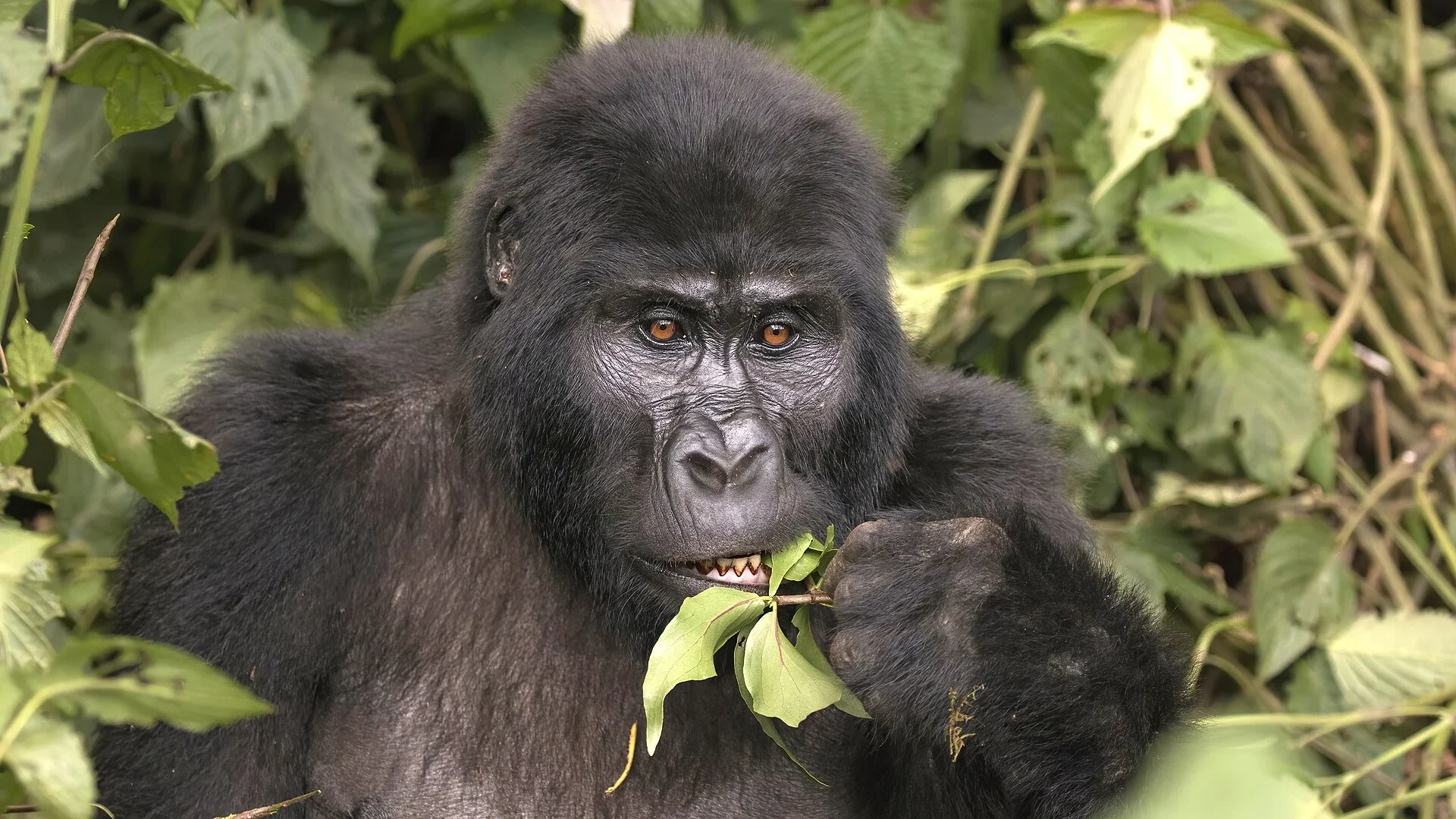
Tipping on Gorilla Trekking Safaris
Gorilla trekking involves several staff members who may receive tips:
- Ranger guides
- Trackers
- Porters
Ranger Guides
- USD 10–20 per person
Porters
- USD 15–25 per trek
Trackers (if applicable)
- Shared group tip depending on group size
Porters are especially important and rely heavily on tips for income.
Tipping Lodge Staff
Lodge tipping is usually more informal and often pooled.
Guidelines:
- USD 1–5 per guest per night (mid-range lodges)
- USD 5–10 per guest per night (luxury lodges)
Many lodges provide a central tip box for all staff.
Tipping Hotel and Restaurant Staff
In hotels and restaurants, tipping is appreciated but not required.
Common practice:
- 5%–10% of the bill for good service
- Rounding up small bills in casual dining settings
Service charges may sometimes already be included.
Tipping Porters in National Parks
Porters assist travelers in several key activities:
- Gorilla trekking
- Mountain hiking
- Steep forest navigation
Recommended tip:
- USD 15–25 per porter per trek
Hiring porters also supports local communities living near conservation areas.
Tipping Cultural Guides
Cultural and community tourism experiences include local guides.
Suggested tipping:
- USD 5–10 per person depending on tour length
This applies to village walks, cultural performances, and community visits.
When to Tip on Safari
Tipping is typically done at the end of services:
- End of safari for driver-guides
- After gorilla trekking
- At lodge checkout
- After guided cultural experiences
Group tipping at the end of trips is most common.
Cash vs Card for Tipping
Tipping is usually done in cash.
Preferred currencies include:
- US Dollars (USD)
- Ugandan Shillings (UGX)
Smaller denominations are highly recommended for convenience.
Group Tipping Etiquette
On safari, guests often share services.
Best practice includes:
- Pooling tips for driver-guides
- Individual tipping for personal services
- Agreeing as a group on final amounts
This ensures fairness and simplicity.
Cultural Attitudes Toward Tipping in Uganda
Ugandans are generally polite, respectful, and hospitable.
Tipping is viewed as:
- A voluntary gesture
- A sign of appreciation
- Not an obligation
Respectful behavior and kindness are equally valued alongside tipping.
Common Tipping Mistakes
Travelers sometimes make mistakes such as:
- Not tipping safari guides at all
- Over-tipping without understanding local norms
- Only tipping guides and ignoring support staff
- Using large notes without small change
Balanced tipping is always recommended.
How Much Should You Budget for Tips?
Estimated daily tipping budgets:
- Budget safari: USD 5–15 per person per day
- Mid-range safari: USD 10–25 per person per day
- Luxury safari: USD 20–50+ per person per day
This depends on safari length and service level.
Is Tipping Required for Gorilla Trekking?
No.
However, it is strongly recommended for:
- Porters
- Rangers
- Trackers
These teams play a critical role in ensuring safe and successful gorilla encounters.
Why Tipping Supports Conservation
Tipping contributes indirectly to conservation by:
- Supporting local livelihoods
- Reducing pressure on natural resources
- Encouraging community support for tourism
- Strengthening park protection systems
Tourism and conservation are closely linked in Uganda.
Best Practices for Tipping on Uganda Safari
- Tip based on service quality
- Use cash whenever possible
- Be discreet and respectful
- Carry small denominations
- Do not feel pressured beyond your comfort level
Respectful tipping enhances positive safari experiences.
Conclusion: Understanding Tipping on Uganda Safari
Tipping on Uganda Safari is a meaningful way to show appreciation for the people who make your journey memorable. While not mandatory, tipping supports driver-guides, porters, lodge staff, and local communities who play an essential role in delivering high-quality safari experiences.
By following fair and respectful tipping practices, travelers contribute directly to Uganda’s tourism economy and help sustain conservation and community development efforts. Whether on a gorilla trekking adventure, wildlife safari, or cultural tour, understanding tipping etiquette ensures a more rewarding and culturally respectful travel experience in Uganda.