
Uganda Park Fees: Complete Guide to National Park Entry Costs and Conservation Charges
Uganda Park Fees are an essential part of planning any safari in the Pearl of Africa. These fees are charged by the Uganda Wildlife Authority (UWA) and contribute directly to wildlife conservation, anti-poaching efforts, park management, community development, and environmental protection across Uganda’s national parks and protected areas.
Understanding park fees helps travelers budget accurately for gorilla trekking, chimpanzee tracking, game drives, birdwatching tours, and other safari activities. Uganda’s park system is well-managed, and fees vary depending on the activity, destination, and visitor category.
What Are Uganda Park Fees?
Uganda park fees are mandatory charges paid by visitors to access national parks and wildlife reserves.
These fees typically include:
- Park entrance fees.
- Wildlife viewing fees.
- Conservation charges.
- Activity-specific permits (gorilla trekking, chimpanzee tracking).
All fees support conservation and sustainable tourism development.
Why Uganda Charges Park Fees
Park fees play a critical role in protecting Uganda’s natural heritage.
Funds are used for:
- Wildlife conservation programs.
- Anti-poaching patrols.
- Habitat protection.
- Community development projects.
- Park infrastructure maintenance.
This ensures that tourism directly benefits both wildlife and local communities.
Uganda National Park Entrance Fees (General Guide)
Park entry fees vary depending on residency status:
Foreign Non-Residents
- USD 40–45 per person per day (most parks).
Foreign Residents
- USD 30–35 per person per day.
East African Citizens
- UGX 20,000–30,000 per person per day.
Fees may vary slightly depending on the park.
Gorilla Trekking Permits
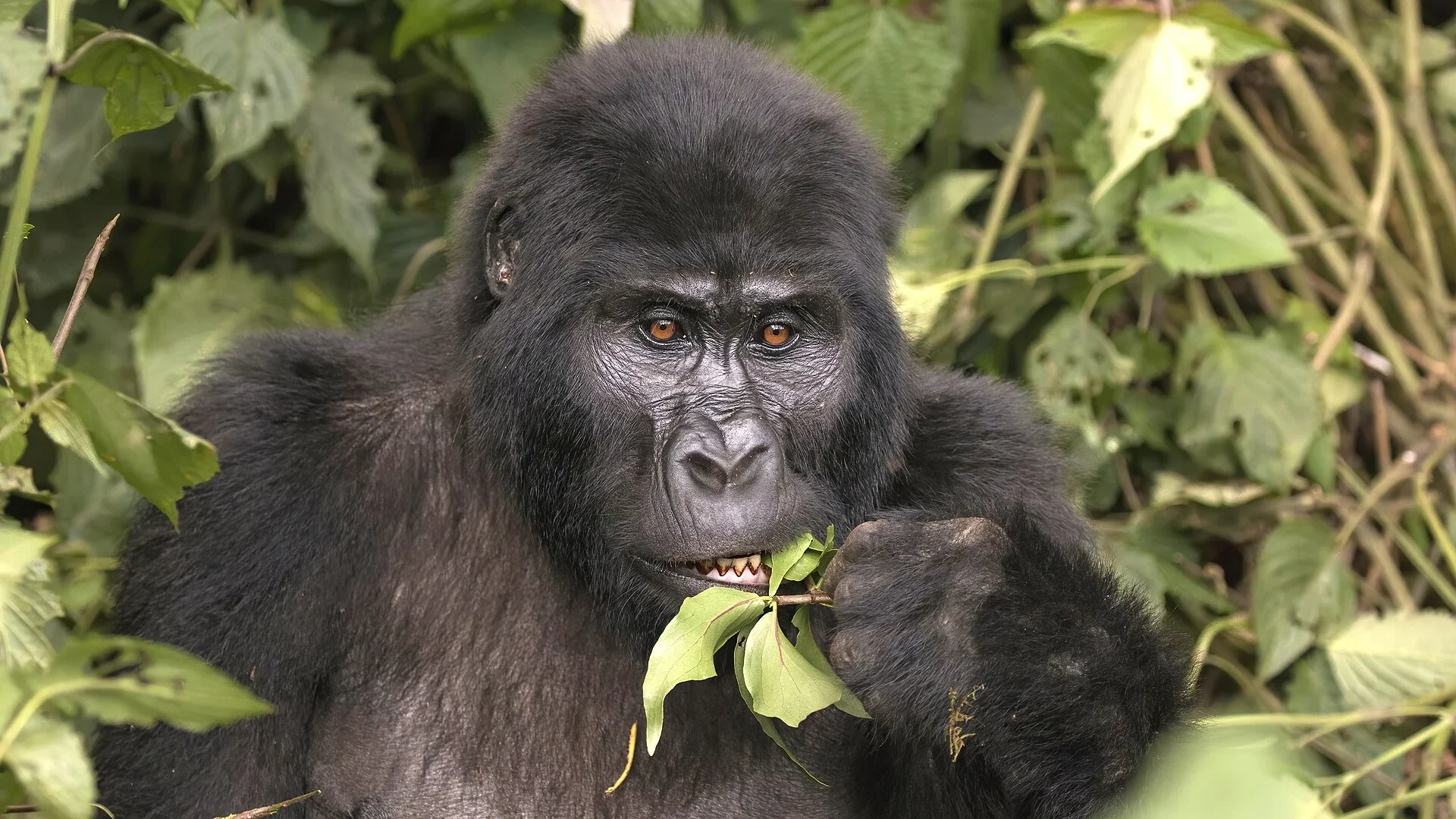
Gorilla trekking is Uganda’s most popular safari activity.
Permit costs include:
- USD 800 per person (foreign non-residents).
- USD 700 per person (foreign residents).
- UGX 300,000 for East African citizens.
This fee includes park entry, ranger guide services, and one hour with a habituated gorilla family.
Chimpanzee Tracking Fees
Chimpanzee tracking is available in Kibale Forest, Budongo, and Kyambura Gorge.
Typical permit costs:
- USD 250 per person (Kibale Forest standard tracking).
- USD 300–350 for chimpanzee habituation experiences.
These fees contribute to primate conservation and research.
Game Drive Fees in Uganda
Game drives require park entry plus vehicle fees in some parks.
Typical charges include:
- Park entry fee (per person).
- Vehicle entry fee (USD 30–50 per vehicle).
Popular game drive parks include Queen Elizabeth, Murchison Falls, and Lake Mburo.
Boat Cruise Fees
Boat safaris are offered in major national parks.
Typical costs:
- USD 30–40 per person (Kazinga Channel).
- USD 30–35 per person (Murchison Falls Nile Cruise).
Boat cruises provide excellent wildlife viewing from water ecosystems.
Birdwatching Fees
Birding is included in park entry fees, but specialized birding guides may cost extra.
Guide fees typically range:
- USD 20–40 per day for local bird guides.
Uganda is home to over 1,090 bird species, making it a top birding destination globally.
Top National Parks and Their Fees
Queen Elizabeth National Park
Entry fees + game drives + boat cruises.
Murchison Falls National Park
Entry fees + Nile boat cruises + wildlife drives.
Bwindi Impenetrable National Park
Gorilla trekking + park entry fee included in permit.
Kibale Forest National Park
Chimpanzee tracking + forest walks.
Lake Mburo National Park
Affordable safari with walking safaris and night game drives.
Best Time to Visit Uganda National Parks
Uganda parks are open year-round, but best conditions occur during:
- June to August (dry season).
- December to February (dry season).
Rainy seasons (March–May and September–November) offer lush scenery and fewer crowds.
What Park Fees Do NOT Include
- Accommodation costs.
- Transport or vehicle hire.
- Tips for guides and rangers.
- Personal travel insurance.
- International flights.
These must be budgeted separately.
How Park Fees Support Conservation
Uganda’s park fees are critical for conservation success.
They fund:
- Protection of endangered species like mountain gorillas.
- Habitat restoration programs.
- Community revenue-sharing schemes.
- Wildlife research and monitoring.
This system ensures tourism directly benefits conservation.
Booking Safaris with Park Fees Included
Many tour operators, including Adventure in the Wild Safaris, include park fees in complete safari packages for convenience and transparency.
This helps travelers avoid hidden costs and ensures smooth entry into all protected areas.
Proper planning of park fees allows travelers to enjoy Uganda’s wildlife experiences without unexpected expenses.