Weather & Climate in Semuliki National Park
Semuliki National Park experiences a warm, humid tropical lowland rainforest climate influenced by its Congo Basin ecological characteristics and lower elevation compared with Uganda’s highland forest destinations. Conditions are generally warmer and more humid than Kibale or Bwindi, with regular rainfall supporting lush evergreen forest ecosystems.
Daytime temperatures commonly range between 18°C and 30°C, with humidity often making conditions feel warmer during active forest exploration.
Rain can occur throughout the year, which is typical for tropical rainforest environments.
Drier Periods
The relatively drier travel periods generally offer:
- more comfortable forest walking
- less muddy trails
- improved photography conditions
- easier safari logistics
- strong birding opportunities
Rainier Periods
Rainier months intensify the rainforest atmosphere with lush vegetation, dramatic forest scenery, active biodiversity, and fewer visitors, though walking conditions become more demanding.
Travelers planning Semuliki safaris should pack breathable clothing, waterproof protection, insect repellent, and practical walking footwear.
Best Time to Visit Semuliki National Park
The best time to visit Semuliki National Park depends on activity priorities, though the destination remains accessible throughout the year.
Drier Periods
The most popular travel months include:
- December
- January
- February
- June
- July
- August
- September
During these periods:
- forest trails are generally easier
- nature walks become more comfortable
- birding remains excellent
- photography improves
Rainier Periods
Rainier months bring lush forest conditions, stronger rainforest atmosphere, rich biodiversity activity, and fewer visitors, though trails may become muddier.
One of the most natural safari combinations pairs Semuliki National Park with Kibale National Park.
Travelers seeking broader safari variety often combine Semuliki safaris with Queen Elizabeth National Park for classic wildlife viewing, predator encounters, Kazinga Channel boat cruises, and tree-climbing lions.
Adventure travelers may combine Semuliki National Park with the spectacular Rwenzori Mountains for hiking, mountain wilderness, alpine scenery, and high-altitude adventure.
Continue planning Semuliki National Park with Semuliki National Park wildlife, Semuliki National Park bird watching, and Semuliki National Park getting there, or read the main Semuliki National Park destination guide.
Overview of Semuliki National Park
Semuliki National Park is one of Uganda’s most ecologically distinctive safari destinations. Located in the Albertine Rift Valley near the foothills of the Rwenzori Mountains, the park protects a rich lowland tropical rainforest ecosystem strongly linked to the greater Congo Basin.
This ecological identity makes Semuliki National Park fundamentally different from destinations such as Kibale, Bwindi, or Uganda’s major savannah parks.
For biodiversity-focused travelers, Semuliki safaris provide exceptional habitat diversity, rare species potential, and authentic forest exploration.
The park is internationally respected among birders because of its extraordinary avian diversity, including species associated more strongly with Central African forests than with East African safari landscapes.
Wildlife in Semuliki National Park includes:
- primates
- forest mammals
- birds
- butterflies
- reptiles
- amphibians
Because dense forest conditions naturally limit wildlife visibility compared with open savannah parks, the destination appeals especially to naturalists, birders, forest explorers, and travelers seeking ecological depth rather than classic big-game safari expectations.
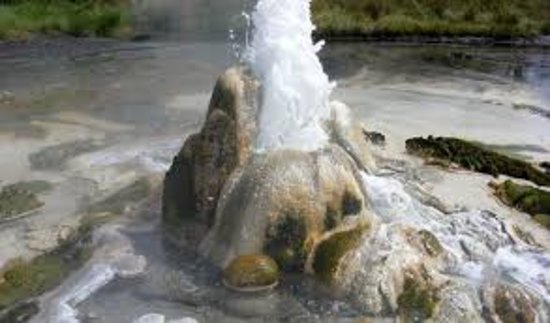
One of the park’s most famous attractions is the Sempaya Hot Springs, dramatic geothermal features that create one of Uganda’s most unusual safari attractions.
The park also benefits from proximity to western Uganda’s broader safari circuit, making it easy to combine with other high-value destinations.
Semuliki National Park pairs exceptionally well with , , , and Fort Portal’s crater lake region.
Why Visit Semuliki National Park?
Semuliki National Park offers one of Uganda’s most specialized safari experiences for travelers seeking biodiversity, ecological richness, and authentic wilderness exploration.
Unique Lowland Rainforest Ecosystem
Few Ugandan safari destinations offer a true Congo Basin-style tropical lowland forest environment.
Outstanding Bird Watching
With over 440 species, the park is a premier destination for serious birders.
Sempaya Hot Springs
These dramatic geothermal features are among Uganda’s most unusual natural attractions.
Off-the-Beaten-Path Safari Experience
Travelers seeking less commercial safari destinations often find Semuliki safaris deeply rewarding.
Excellent Western Uganda Safari Combinations
The park integrates naturally into broader western Uganda wildlife and primate itineraries.
Rich Biodiversity
Forest mammals, primates, birds, insects, reptiles, and unique ecosystems create ecological depth.
Top Things to Do in Semuliki National Park
Semuliki safaris focus on immersive nature exploration, biodiversity discovery, and specialist wildlife experiences.
Forest Nature Walks
Guided rainforest exploration through one of Uganda’s most unique ecosystems.
Sempaya Hot Springs
Visit the park’s iconic geothermal attraction.
Bird Watching
Exceptional specialist forest birding opportunities.
Primate Viewing
Forest monkey and wildlife encounters.
Cultural Experiences
Regional community and heritage encounters.