How many days are ideal for Ruaha National Park?

Most travelers find 4 to 5 nights ideal for wild dog, predator, and elephant viewing. Shorter 3-night fly-ins work for focused visits; longer stays suit multi-sector exploration.

Is Ruaha National Park worth visiting?

Absolutely. Ruaha National Park is among Africa's finest wilderness destinations — remote TANAPA savannah with exceptional wild dog and elephant viewing far from northern crowds.

Can I see African wild dogs in Ruaha?

Yes — Ruaha is one of Tanzania's strongest parks for wild dog encounters. Packs hunt across open plains and woodland; sightings depend on season and pack movements.

When is the best time to visit Ruaha National Park?

June–October dry season concentrates wildlife along the Great Ruaha. November–April offers birding and lush scenery with lower rates.

How do I get to Ruaha National Park?

Fly to Msembe or Jongomeru airstrips, or drive from Iringa (~130 km). Southern Circuit road routes pass through Mikumi National Park from Dar es Salaam.

Can I combine Ruaha with Nyerere or Serengeti?

Yes. Ruaha pairs with Nyerere National Park on fly-in Southern Circuit routes. Serengeti combinations require internal flights between south and north.

Are walking safaris allowed in Ruaha?

Yes in designated areas with TANAPA-approved operators and armed rangers. Confirm availability when booking your camp.

What makes Ruaha different from Serengeti?

Ruaha is remote, uncrowded, and ecologically transitional with miombo woodland, sable, roan, and wild dogs prominent. Serengeti offers migration spectacle on the Northern Circuit.

Is Ruaha National Park safe?

Yes. TANAPA manages the park with licensed operators, trained guides, and established visitor regulations.

Ruaha National Park is Tanzania's remote southern flagship — a TANAPA-managed wilderness of baobabs, wild dogs, and the Great Ruaha River on the Southern Circuit.

Overview of Ruaha National Park

Ruaha National Park protects approximately 20,226 square kilometres in south-central Tanzania — established in 1964 and expanded in 2008 when Usangu wetlands were incorporated. Managed by the Tanzania National Parks Authority (TANAPA), the park forms the heart of the Ruaha–Rungwa ecosystem and has been recognised as a Lion Conservation Unit since 2005.

The Great Ruaha River defines the park's identity — a dry-season lifeline drawing elephant herds, buffalo, and predators to sandbanks and pools. Ruaha's biogeographical position blends East African acacia savannah with Southern miombo woodland, supporting greater and lesser kudu, sable, and roan alongside classic plains game.

Why Visit Ruaha National Park?

Wild dog encounters, uncrowded game drives, baobab photography, and antelope diversity draw travelers seeking alternatives to Northern Circuit congestion. Ruaha pairs naturally with Nyerere National Park on Southern Circuit fly-in routes and with Serengeti National Park on comprehensive Tanzania itineraries.

Combines with Gorilla Trekking

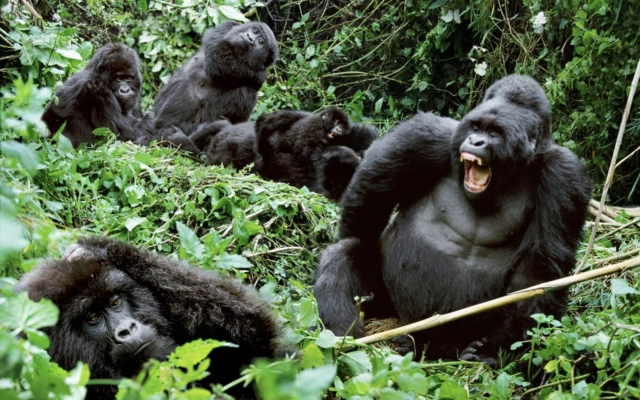
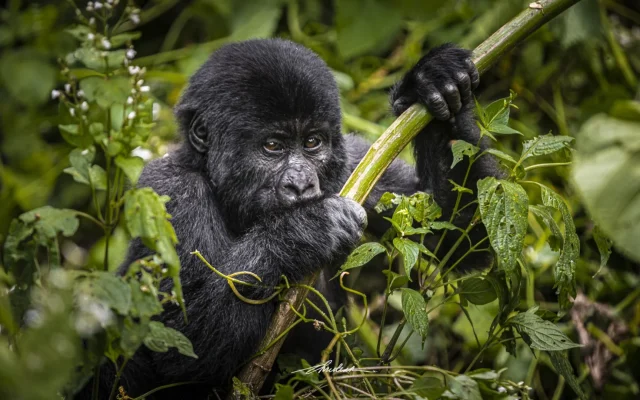
Mountain gorillas do not live in Tanzania. Travelers wanting both savannah carnivores and gorillas combine Ruaha safaris with Bwindi Impenetrable National Park in Uganda via regional flights when permits and dates align.

Continue planning Ruaha National Park with Ruaha National Park wildlife, Ruaha National Park bird watching, Ruaha National Park best time to visit, and Ruaha National Park getting there, or read the main Ruaha National Park destination guide.
Ruaha safaris

View all packages