How many days are ideal for Nyerere National Park?

Most travelers find 4 to 5 nights ideal for Rufiji boat safaris, game drives, and walking. Shorter 3-night fly-ins work for focused river visits.

Is Nyerere National Park the same as Selous?

Nyerere is the northern photographic zone of the historic Selous, gazetted as a national park in 2019 under TANAPA. Remaining Selous lands continue under TAWA management.

Is Nyerere a UNESCO World Heritage Site?

The broader Selous ecosystem was inscribed in 1982. Nyerere lies within that recognised UNESCO landscape.

Can I do boat safaris in Nyerere National Park?

Yes — Rufiji boat safaris are the park's signature activity, operated from lodge jetties at dawn and sunset.

Are walking safaris allowed in Nyerere?

Yes. Guided walking safaris with armed rangers are a core Nyerere offering — half-day walks and fly-camping circuits available through licensed camps.

When is the best time to visit Nyerere National Park?

June–October dry season for peak Rufiji wildlife concentrations. November–April for birding and lush miombo with lower rates.

How do I get to Nyerere National Park?

Fly from Dar es Salaam to Mtemere or Matambwe airstrips. Road transfers route via Mikumi National Park from Dar.

Is Nyerere the largest national park in Africa?

At approximately 29,276 km², Nyerere is Africa's largest national park — larger than Ruaha and Serengeti.

Is Nyerere National Park safe?

Yes. TANAPA manages the park with licensed camps, trained guides, and established safety protocols for boat, walking, and drive safaris.

Nyerere National Park is Africa's largest national park — a Rufiji River wilderness gazetted in 2019 from the northern Selous Game Reserve and managed by TANAPA.

Overview of Nyerere National Park

Nyerere National Park protects approximately 29,276 square kilometres in southern Tanzania — gazetted in 2019 when the northern photographic zone of the historic Selous Game Reserve became a TANAPA national park honouring Julius Nyerere, Tanzania's first president. The broader Selous ecosystem has been a UNESCO World Heritage Site since 1982.

The Rufiji River — Tanzania's largest river — defines the park's character. Boat safaris, walking safaris, and fly-camping distinguish Nyerere from Northern Circuit parks where vehicle game drives dominate. Elephant, buffalo, lion, and African wild dog occur in remarkable numbers across miombo woodland and riverine forest.

Why Visit Nyerere National Park?

Rufiji boat safaris, walking trails, wild dog stronghold status, and UNESCO-scale wilderness draw travelers seeking water-based wildlife viewing and low vehicle density. Nyerere pairs naturally with Ruaha National Park on Southern Circuit fly-in routes.

Combines with Gorilla Trekking

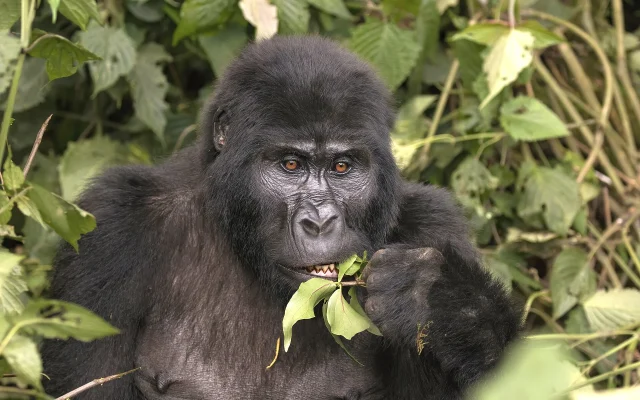
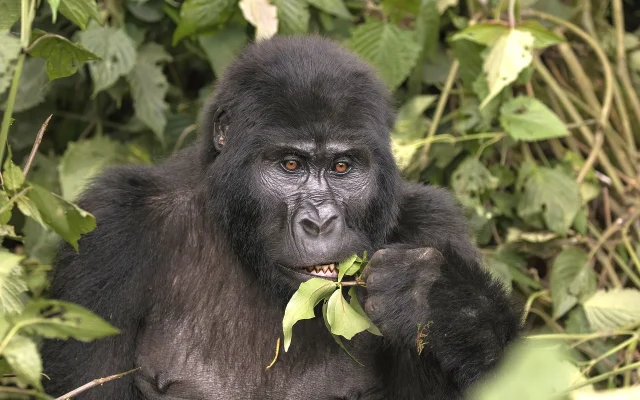
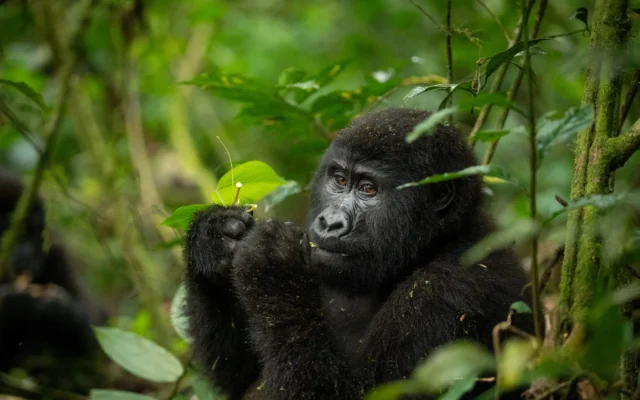
Mountain gorillas do not live in Tanzania. Travelers wanting both river hippos and gorillas combine Nyerere safaris with Bwindi Impenetrable National Park via regional flights when permits align.

Continue planning Nyerere National Park with Nyerere National Park wildlife, Nyerere National Park bird watching, Nyerere National Park best time to visit, and Nyerere National Park getting there, or read the main Nyerere National Park destination guide.

Nyerere safaris

View all packages