Best Time to Visit Mbarara
Mbarara can usually be visited year-round, but the best timing depends on road access, ferry schedules, activity availability, pilgrimage calendars, water levels, heat, rain, or wildlife movement.
Morning visits are often best for light, cooler weather, smoother logistics, and bird activity. Heritage and museum sites should be checked for opening times or event days.
A strong nearby pairing for Mbarara based on geography, route logic, or shared travel theme. See Lake Mburo National Park for route ideas.
A strong nearby pairing for Mbarara based on geography, route logic, or shared travel theme.
A strong nearby pairing for Mbarara based on geography, route logic, or shared travel theme.
Continue planning Mbarara with Mbarara wildlife, Mbarara bird watching, and Mbarara getting there, or read the main Mbarara destination guide.
Overview of Mbarara
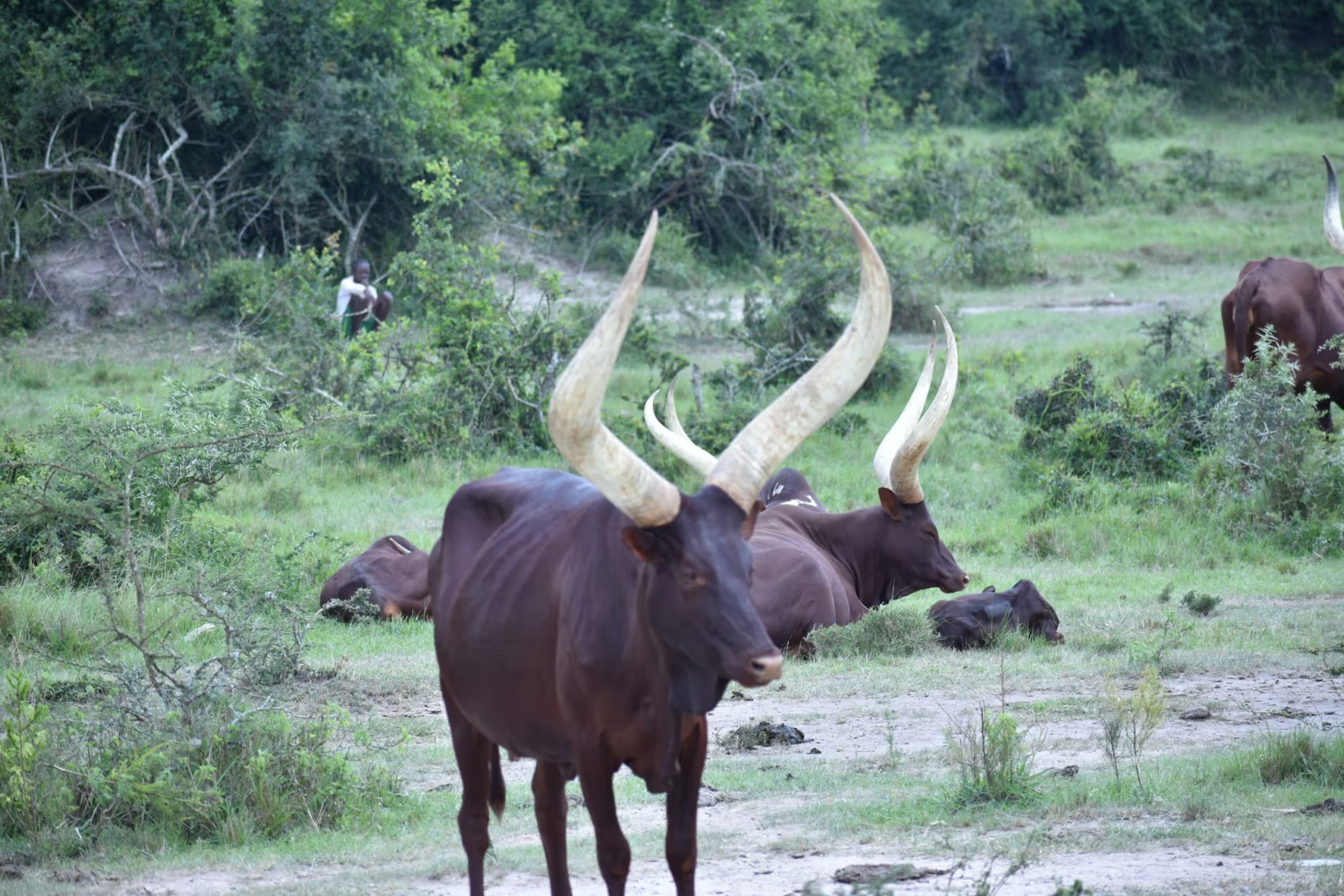
Mbarara is closely tied to the Banyankole and the iconic long-horned Ankole cattle. Cattle culture here is not a decorative add-on; it shapes food, wealth, songs, family identity, and pastoral landscapes.
Good cultural experiences may include farm visits, milk handling, ghee-making interpretation, and respectful storytelling about Bahima pastoral traditions.
Mbarara is one of the best urban bases for Lake Mburo National Park, a compact savannah park known for zebras, impalas, giraffes, hippos, boat trips, walking safaris, and horseback options.
In-Depth Guide to Mbarara
Ankole Cattle Heritage
Mbarara is closely tied to the Banyankole and the iconic long-horned Ankole cattle. Cattle culture here is not a decorative add-on; it shapes food, wealth, songs, family identity, and pastoral landscapes.
Good cultural experiences may include farm visits, milk handling, ghee-making interpretation, and respectful storytelling about Bahima pastoral traditions.
Lake Mburo and Igongo Pairing
Mbarara is one of the best urban bases for Lake Mburo National Park, a compact savannah park known for zebras, impalas, giraffes, hippos, boat trips, walking safaris, and horseback options.
Igongo Cultural Centre gives travelers a structured introduction to Ankole and regional history, with museum displays, crafts, food, and the nearby Eclipse Monument context.
Safari Logistics Hub
Because Mbarara sits between Kampala, Lake Mburo, Kabale, Queen Elizabeth, and Bwindi routes, it is useful for overnight stops, vehicle services, supplies, and medical or banking needs before rural safari areas.
It works best when treated as both a practical city and a cultural gateway, not just a refueling stop.
Why Visit Mbarara?
Ankole Cattle Heritage
Mbarara is closely tied to the Banyankole and the iconic long-horned Ankole cattle. Cattle culture here is not a decorative add-on; it shapes food, wealth, songs, family identity, and pastoral landscapes. Good cultural experiences may include farm visits, milk handling, ghee-making interpretation, and respectful storytelling about Bahima pastoral traditions.
Lake Mburo and Igongo Pairing
Mbarara is one of the best urban bases for Lake Mburo National Park, a compact savannah park known for zebras, impalas, giraffes, hippos, boat trips, walking safaris, and horseback options. Igongo Cultural Centre gives travelers a structured introduction to Ankole and regional history, with museum displays, crafts, food, and the nearby Eclipse Monument context.
Safari Logistics Hub
Because Mbarara sits between Kampala, Lake Mburo, Kabale, Queen Elizabeth, and Bwindi routes, it is useful for overnight stops, vehicle services, supplies, and medical or banking needs before rural safari areas. It works best when treated as both a practical city and a cultural gateway, not just a refueling stop.
Top Things to Do in Mbarara
Ankole Cattle Heritage
Mbarara is closely tied to the Banyankole and the iconic long-horned Ankole cattle. Cattle culture here is not a decorative add-on; it shapes food, wealth, songs, family identity, and pastoral landscapes. Good cultural experiences may include farm visits, milk handling, ghee-making interpretation, and respectful storytelling about Bahima pastoral traditions.
Lake Mburo and Igongo Pairing
Mbarara is one of the best urban bases for Lake Mburo National Park, a compact savannah park known for zebras, impalas, giraffes, hippos, boat trips, walking safaris, and horseback options. Igongo Cultural Centre gives travelers a structured introduction to Ankole and regional history, with museum displays, crafts, food, and the nearby Eclipse Monument context.
Safari Logistics Hub
Because Mbarara sits between Kampala, Lake Mburo, Kabale, Queen Elizabeth, and Bwindi routes, it is useful for overnight stops, vehicle services, supplies, and medical or banking needs before rural safari areas. It works best when treated as both a practical city and a cultural gateway, not just a refueling stop.
Short Focused Visit
Use Mbarara as a meaningful short stop when it sits naturally on your route.
Half-Day or Full-Day Extension
Give the destination more time when interpretation, boat logistics, hiking, birding, culture, or conservation education is important.