Lake Manyara National Park — questions travellers ask before booking
Lake Manyara National Park is a TANAPA-managed reserve of roughly 330 km² along the western Rift Valley escarpment in northern Tanzania. It is famous for tree-climbing lions, groundwater forest baboon troops, elephant corridors, alkaline lake flamingos, and dramatic escarpment scenery — typically visited as a half-day or full-day stop between Arusha and Ngorongoro Crater on the Northern Circuit.
Section detail: wildlife, bird watching, best time to visit, getting there.
Worth including on a Tanzania safari?
For Rift Valley scenery, primate encounters, birding diversity, and tree-climbing lion photography — absolutely. Manyara compresses habitat variety into a compact park ideal for efficient Northern Circuit pacing. Travellers skipping straight from Arusha to Ngorongoro save time but miss one of Tanzania's most distinctive forest-to-lake transitions. Most seven-day Northern Circuit itineraries include Manyara without question.
Tree-climbing lions — realistic expectations
Manyara's lions sometimes rest in acacia branches — behaviour famous enough to define the park globally. Sightings are not guaranteed; prides move, seasons shift, and tourism pressure affects stakeout reliability. Experienced guides improve odds by searching historical woodland sections and coordinating with other vehicles. Plan the visit for forest baboons, elephants, lake scenery, and birds as certainties — treat branch-resting lions as a magnificent bonus.
Days, drives, and sample rhythm
One full day (or a focused half-day morning) covers the main park road thoroughly. Typical rhythm: dawn entry through groundwater forest, mid-morning lake margin scanning, optional Mto wa Mbu cultural lunch, afternoon transfer toward Ngorongoro. One overnight at an escarpment lodge suits photographers wanting sunrise panoramas over the soda lake. Two or more dedicated nights are rare unless birding-focused.
Flamingos and lake levels
Flamingo spectacle depends on alkaline lake ecology — water depth, evaporation, and algae blooms fluctuate across seasons and years. Dry months often concentrate birds along remaining shallows but cannot guarantee pink shores on a fixed travel date. Communicate photography priorities to your operator and build flexibility.
Big Five status
Lions, elephants, and buffalo occur reliably. Leopards are present but elusive in forest sections. Rhinoceros are not resident in Manyara — seek rhino at Ngorongoro Crater on the same Northern Circuit. Manyara excels as a habitat-diversity and Rift Valley scenery destination rather than a Big Five checklist park in isolation.
TANAPA fees and operators
Tanzania National Parks Authority collects gate fees for visitors and vehicles. Licensed operators typically include fees in packages. Verify current non-resident rates before travel. Park rules prohibit off-road driving on standard circuits.
Combining with other destinations
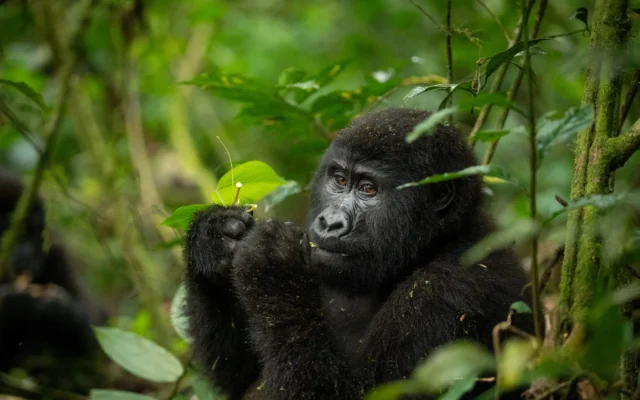
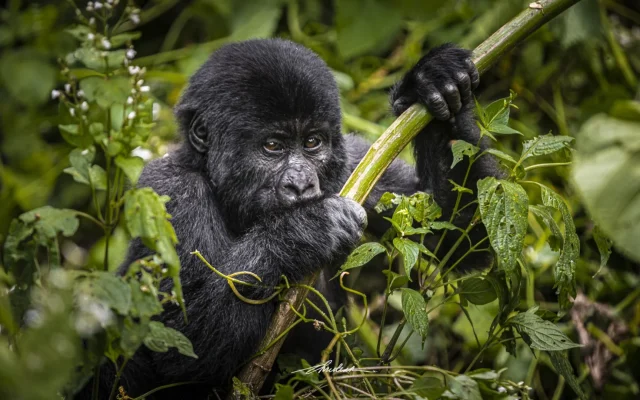
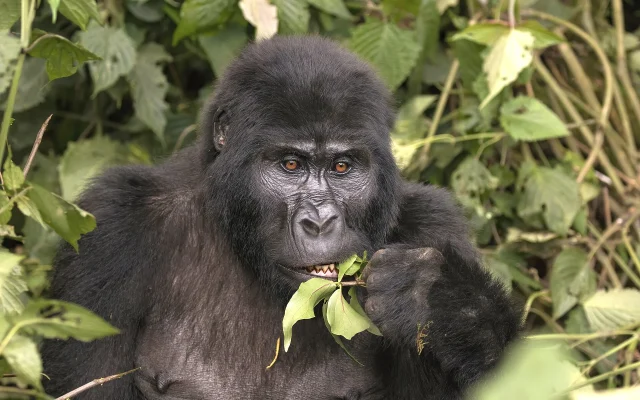
Natural pairings include Tarangire National Park (baobab elephants), Ngorongoro (caldera Big Five), Serengeti National Park (migration plains), Arusha National Park (short extensions), and gorilla trekking at Bwindi or Volcanoes on Uganda–Tanzania combinations.
Accommodation tiers
Escarpment lodges above the park offer panoramic lake views and convenient morning entries. Options near Mto wa Mbu suit transit-day visits. Karatu properties on the Ngorongoro road work when Manyara is one stop on a multi-park circuit. Book escarpment lodges ahead for June–October peak season.
Birding and non-mammal interests
With 400+ species, Manyara rewards birders on the same drive as mammal-focused travellers. Hornbills in forest, flamingos and pelicans on the lake, and raptors on escarpment thermals build substantial lists in a single morning.
Where to read next
Wildlife and game drives: Lake Manyara wildlife.
Birding: bird watching.
Seasons: best time to visit Lake Manyara.
Access: getting to Lake Manyara.
Main guide: Lake Manyara National Park destination guide.