Karuma Wildlife Reserve — questions travelers ask before visiting
Karuma Wildlife Reserve is a satellite protected area in the Murchison landscape — savannah-woodland and Nile-corridor habitat beside Karuma Falls. It is not a second Murchison Falls National Park. Understanding that prevents overbooking time on a highway day or expecting lion prides on a short loop.
The reserve works best for travelers who want corridor ecology context, bush birds, and antelope in woodland — paired with Murchison big-game days, Ziwa rhinos, or northern routing through Gulu.
Access, fees, and guides
Confirm current Uganda Wildlife Authority arrangements before travel. Satellite reserves change access rules, fees, and guide requirements more often than flagship parks. Organized safaris normally handle permits and suitable 4×4 transport; independent travelers should call ahead or use reputable local operators.
Wildlife expectations
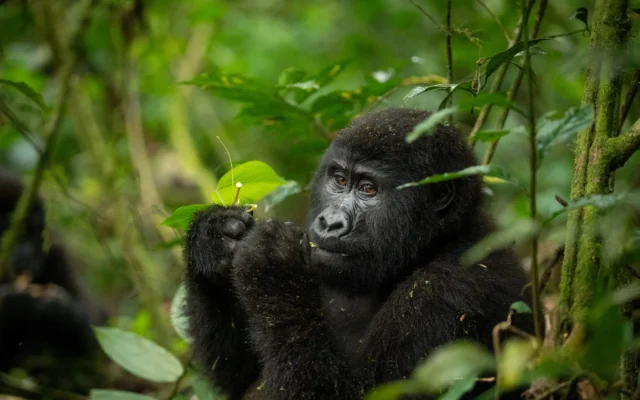
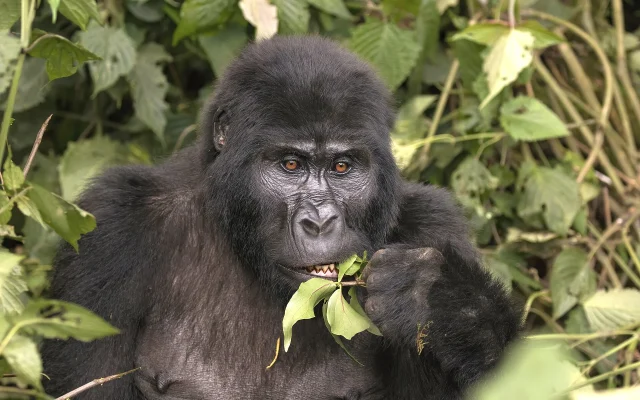
Antelope, warthog, primates, and varied birds are realistic. Large predators are occasional. Hippo and crocodile are more reliably associated with Nile viewpoints at Karuma Falls. See wildlife at Karuma Wildlife Reserve for habitat detail.
Itinerary fit
Half-day reserve time fits some custom routes; many travelers merely drive the corridor without a dedicated loop. Say explicitly if you want Karuma Reserve on your quote — otherwise planners optimize for Murchison lodge arrival.
Comparison with Bugungu and East Madi
Other Murchison satellite reserves — Bugungu Wildlife Reserve and East Madi Wildlife Reserve — offer different Albert Nile and escarpment angles. Karuma fits southern corridor routing near the falls bridge; Bugungu fits western lake approaches. Specialists touring the full landscape may visit more than one; first-time Murchison visitors often skip all satellites unless they request depth.
Vehicle requirements and wet-season reality
Even when the Kampala–Gulu highway is dry, internal reserve loops may remain muddy for days after localized storms. High-clearance 4×4 with experienced drivers beats sedans. Refuse off-road shortcuts that damage grassland or disturb nesting birds — ethical operators follow existing tracks only.
Tip guides fairly when reserve loops exceed expected duration because of stuck vehicles or exceptional wildlife — satellite reserves lack the tip culture infrastructure of flagship lodges but depend on the same skilled staff.
Lions and flagship species
Lions are not the marketing focus at Karuma Reserve — occasional carnivore tracks excite guides but should not drive itinerary promises. Manage client expectations the same way you would at Bugungu Wildlife Reserve: celebrate antelope, birds, and corridor scenery when cats stay hidden.
Independent travelers should download offline maps — reserve track junctions confuse GPS apps that assume only the paved Gulu highway exists.
Where to read next
Wildlife and ecology: Karuma Wildlife Reserve wildlife.
Birding: bird watching at Karuma Wildlife Reserve.
Seasons: best time to visit.
Access: how to get there.
The main Karuma Wildlife Reserve destination guide covers nearby combinations with Murchison and northern towns.