Karuma Falls — questions travelers ask before stopping
Karuma Falls occupies a specific niche in Uganda travel: a dramatic Victoria Nile rapid and historic bridge on the main road to Murchison Falls National Park and northern Uganda. It is not a lodge-based park. Understanding that upfront prevents expecting ticketed entry, game drives, or guaranteed wildlife encounters at the viewpoint itself.
The site works best as a purposeful thirty- to sixty-minute pause on a transfer day — paired with Ziwa Rhino Sanctuary, Karuma Wildlife Reserve, or onward routing to Gulu and Pakwach when geography supports the stop.
What you actually see at Karuma
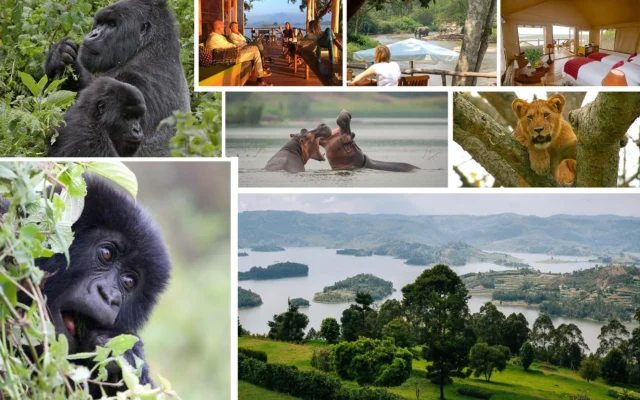
Travelers see white water where the Victoria Nile forces through rock, the engineered crossing of Karuma Falls Bridge, and — with luck — fish eagles, kingfishers, hippos, or crocodiles from safe margins. The Karuma Hydropower Project added powerhouse infrastructure to the story. Photography and Nile interpretation are the main rewards, not a packaged activity menu.
Murchison routing and time budgeting
Most Murchison itineraries pass Karuma automatically when driving from Kampala or Entebbe. Decide in advance whether you want a dedicated pause or a drive-by. Serious photographers and birders should say so when booking the transfer — otherwise drivers may optimize for lodge arrival time and skip the stop.
Karuma rarely anchors a multi-night safari alone. Accommodation sits in Murchison, Masindi, Gulu, or Kampala. See how to get to Karuma Falls and best time to visit for routing and season detail.
Safety, access, and responsible travel
The current is dangerous. Stay on stable banks and approved viewpoints; do not climb wet rock or enter the rapid. Follow security and site guidance near hydropower works. Avoid littering at roadside stops and do not harass river wildlife.
Photography and bridge composition
The Karuma Falls Bridge frames white water against engineered steel — compelling for travel photographers who want human infrastructure in the Nile story. Polarizing filters reduce glare on midday water; morning side light from east-facing stops often suits rapids texture. Tripods may be impractical on narrow roadside margins — brace against vehicle doors only where safe and legal. Drones face restrictions near hydropower assets; assume no flight unless an operator confirms written permission.
Children, mobility, and stop duration
Families en route to Murchison can treat Karuma as a leg-stretch stop — ten minutes of viewing may satisfy young children; photographers and birders should request forty-five to sixty minutes. Wheelchair access is limited to whatever paved pull-offs exist; most viewing remains roadside rather than boardwalk-based.
Who should skip Karuma
Travelers on the tightest one-day Kampala–Murchison transfers with late rhino walks at Ziwa may skip Karuma without losing core safari value — Murchison still delivers the Nile inside the park. Skip only when time is truly constrained, not because the falls lack merit.
Where to read next
Nile ecology and species: Karuma Falls wildlife.
Birding on the corridor: Karuma bird watching.
Seasons and months: best time for Karuma Falls.
Kampala, Entebbe, and Murchison access: how to get to Karuma Falls.
The main Karuma Falls destination guide covers nearby combinations and full safari context.