Landscape and nature at Bigo bya Mugenyi
Bigo bya Mugenyi — often translated as the Fort of the Stranger — is not a wildlife park. You will not book it for lion or elephant viewing. Instead, the experience is a guided walk through one of Uganda's largest archaeological landscapes: outer trench systems, inner enclosures, berms, and ditches dated broadly to the 14th–16th centuries AD, interpreted through both academic archaeology and Bachwezi / Chwezi oral traditions of the wider Kitara heritage world.
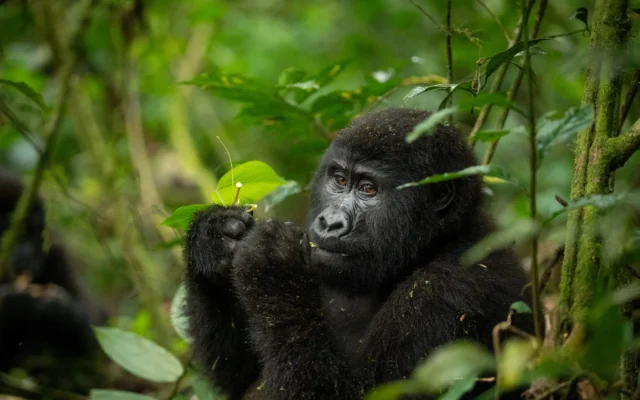
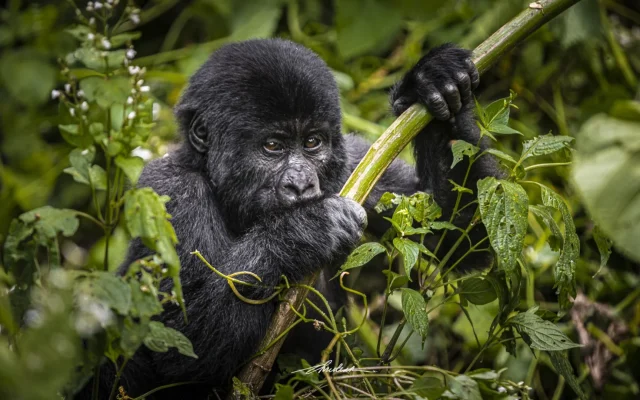
Without a knowledgeable guide, visitors see only lines in grass. With one, those lines become questions about power, cattle economies, settlement, symbolic boundaries, crop protection, and early political organization in the Great Lakes region. Wildlife and nature appear at the margins of that story — birds on earthwork ridges, insects in trenches, butterflies on footpaths, and the seasonal green of a cultural landscape still grazed and farmed by nearby communities.
Earthworks as habitat and cultural landscape
UNESCO tentative-list material describes Bigo as a series of archaeological earthworks with outer trenches and inner enclosures associated with Ntusi, Sembabule, and Katonga River landscapes. Modern scholars debate function — military defence, elite centres, cattle enclosures, elephant barriers, symbolic display — and travelers benefit when guides present debate honestly rather than flattening legend into proven fact or dismissing oral memory as mere myth.
The Bigo bya Mugenyi earthworks cover a large area. Walking them teaches scale: organized labour, social hierarchy, and landscape engineering centuries before colonial borders. Grassland birds, raptors overhead, and small mammals in verge habitat accompany that lesson if you pause between ditches.
Comparing Bigo with Ntusi, Munsa, and other earthworks
Western Uganda holds several major earthwork complexes — Ntusi, Munsa, and related sites appear in academic literature alongside Bigo bya Mugenyi. Bigo is among the largest and most discussed in Bachwezi oral tradition, but scholars caution against treating all ditches as one uniform culture. Some enclosures may reflect regional chiefdoms, cattle wealth display, or agricultural protection rather than a single imperial capital. Walking Bigo teaches scale: labour organization, social hierarchy, and landscape engineering centuries before colonial borders.
Related Katonga Wildlife Reserve landscapes share river moisture and grassland character — useful when building a route that connects archaeology with modest wildlife viewing. Igongo Cultural Centre museum displays help interpret Ankole cattle culture that echoes, in living form, some of the pastoral economies earthworks may have supported.
Everyday nature on heritage walks
Specialist wildlife tourists should still prioritize Lake Mburo National Park or Katonga Wildlife Reserve for mammals and guided game viewing. Bigo adds different value: heritage ecology — how people shaped land over centuries and how that land still supports birds, cattle country, and seasonal moisture in trenches after rain.
Photographers often combine wide shots of ditch lines with macro detail on wildflowers, termite mounds, and cloud shadows across berms. Morning light suits both archaeology photography and softer walking temperatures before drives toward Masaka or Mbarara.
Pairing Bigo with Igongo and Lake Mburo context
Igongo Cultural Centre near Mbarara helps interpret Ankole cattle culture and museum displays that complement Bachwezi narratives heard at Bigo. Lake Mburo adds zebras, antelope, and acacia woodland — a wildlife counterpoint to earthwork walking on custom western Uganda routes from Kampala.
For deeper planning, see our Bigo bya Mugenyi bird watching on heritage walks, best time to visit, and getting there guides.
Responsible heritage behaviour
Stay on agreed paths, never dig or remove pottery or stones, and treat oral tradition with the same respect as archaeology. Pay guides fairly, ask before photographing people, and carry out litter. Bigo is protected cultural landscape — not a reconstructed palace or amusement site.
Cattle graze nearby on many visits — part of the living landscape, not a staged backdrop. Give livestock right of way on shared paths and avoid disturbing herders at work. Termite mounds, wildflowers on berms, and seasonal moisture in trenches after rain all reward slow walking between interpretive stops.