
Uganda Safari in January: Complete Guide to Weather, Wildlife, and Best Safari Experiences
Uganda Safari in January is one of the best times of the year to visit Uganda for wildlife safaris, gorilla trekking, and birdwatching. January falls within the dry season, offering excellent visibility, comfortable travel conditions, and high chances of wildlife sightings across Uganda’s national parks.
From the iconic Shoebill Stork in Mabamba Swamp to mountain gorilla trekking in Bwindi Impenetrable National Park and game drives in Queen Elizabeth National Park, Uganda delivers outstanding safari experiences in January.
This guide provides a complete overview of planning a Uganda safari in January, including weather, wildlife highlights, costs, and top destinations.
Weather in Uganda in January
January is part of Uganda’s dry season and is considered one of the most stable safari months.
- Warm daytime temperatures: 25°C–30°C
- Cool mornings and evenings: 16°C–20°C
- Very little rainfall
- Clear skies and excellent visibility
These conditions make January ideal for all safari activities.
Is January a Good Time for a Uganda Safari?
Yes — January is one of the best months for a Uganda safari because:
- Wildlife is easier to spot near water sources
- Roads and park tracks are dry and accessible
- Excellent gorilla trekking conditions
- High success rate for game drives
- Strong birding opportunities
Wildlife Highlights in January
Queen Elizabeth National Park
- Tree-climbing lions in Ishasha
- Large elephant herds and buffalo
- Hippos along Kazinga Channel
Murchison Falls National Park
- Lions, giraffes, elephants, and leopards
- Nile crocodiles and hippos
- Boat safari to the base of the falls
Lake Mburo National Park
- Zebras, impalas, and elands
- Walking safaris available
Gorilla Trekking in January
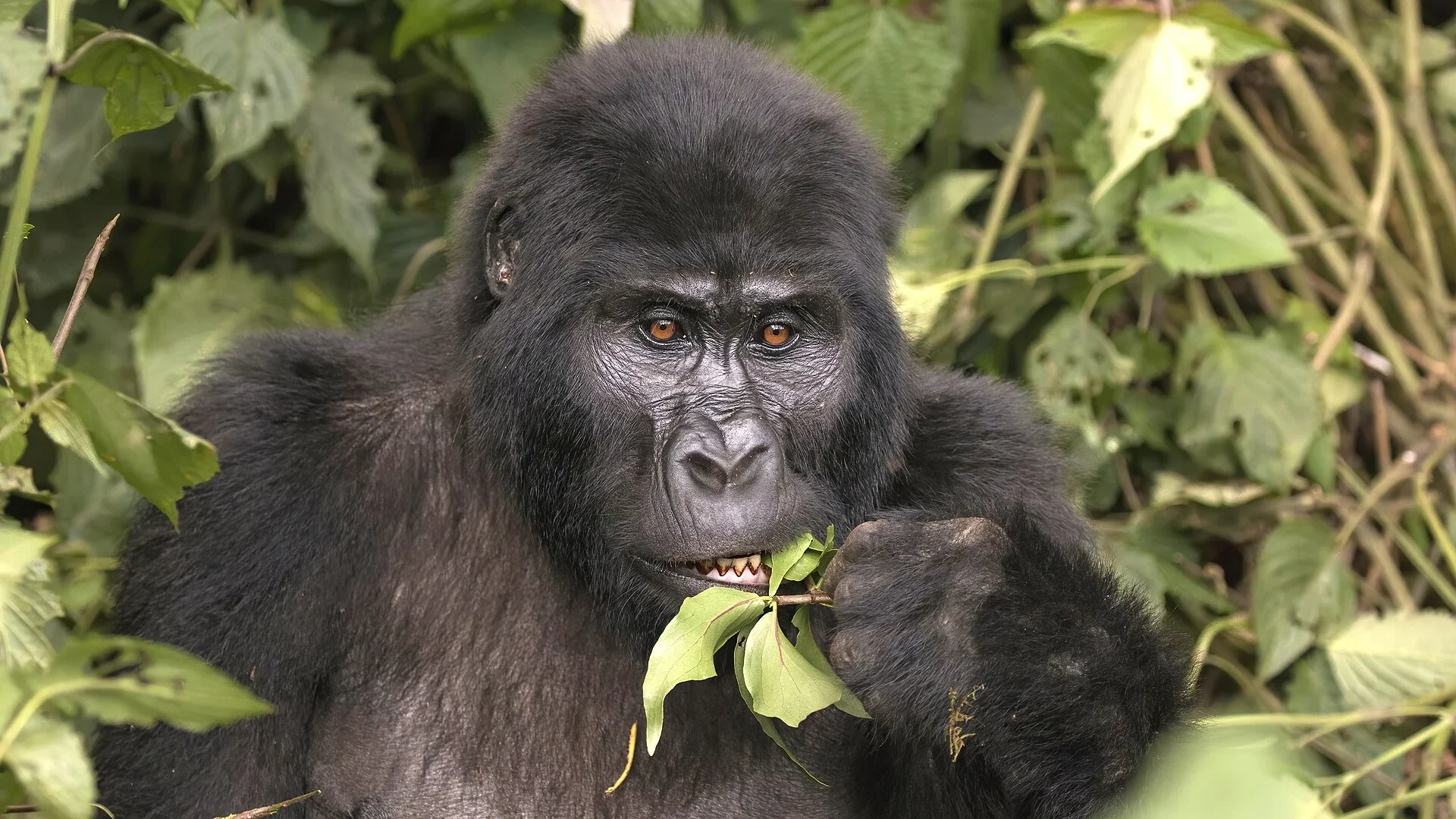
January is one of the best months for gorilla trekking in Bwindi Impenetrable National Park and Mgahinga Gorilla National Park.
- Dry forest trails improve trekking conditions
- Clear visibility in the forest
- Excellent photography opportunities
Gorilla permits should be booked early due to high demand.
Birding in January
January is a peak birding month in Uganda:
- High visibility due to dry vegetation
- Migratory birds still present
- Active feeding behavior among species
Top birding sites include Mabamba Swamp, Queen Elizabeth National Park, and Bwindi Forest.
Best Safari Destinations in January
Mabamba Swamp
- Shoebill Stork sightings
- Excellent wetland birding
Queen Elizabeth National Park
- Kazinga Channel boat safari
- Tree-climbing lions in Ishasha
Bwindi Impenetrable National Park
- Gorilla trekking
- Albertine Rift endemic birds
Murchison Falls National Park
- Big game viewing
- Nile River boat safari
Safari Costs in January
January is peak season, so prices are higher than low-season months:
- Budget safaris: USD 180–300 per day
- Mid-range safaris: USD 300–500 per day
- Luxury safaris: USD 600–1,500+ per day
Early booking is essential for availability.
Advantages of a Uganda Safari in January
- Excellent wildlife visibility
- Dry and accessible roads
- Perfect gorilla trekking conditions
- High success rate for game viewing
- Clear skies for photography
Challenges of Traveling in January
- High demand for lodges and permits
- Peak season pricing
- Some popular parks may feel busy
What to Pack for January Safaris
- Light clothing for warm weather
- Warm jacket for mornings and evenings
- Binoculars for birding
- Camera with zoom lens
- Comfortable hiking shoes
Transport Conditions in January
- Excellent road conditions across Uganda
- Minimal rainfall disruption
- 4×4 safari vehicles recommended
Conclusion: Uganda Safari in January Experience
Uganda Safari in January is one of the best safari experiences of the year. With ideal weather, excellent wildlife sightings, and perfect trekking conditions, January is a top choice for unforgettable Uganda safaris.
From gorilla trekking in Bwindi to game drives in Queen Elizabeth National Park and birding at Mabamba Swamp, Uganda delivers a world-class safari adventure in January.